
Biblical Girl Names: 15 Timeless Picks With Meaning

Some names are just pretty sounds. Biblical girl names are something more. They come with a story already attached, a meaning you can explain to your daughter one day, and a history that stretches back thousands of years. If faith matters in your home, or if you simply love names with real weight behind them, this is a wonderful place to look.
These 15 biblical girl names are a curated shortlist, not a database dump. Every name here genuinely appears in the Bible, every meaning is stated the way it is traditionally understood, and where scholars debate a meaning, I say so honestly instead of pretending one answer is certain. You will find five timeless classics, five names of gentle strength, and five hidden gems. If you are still building the big list, our full baby names guide organizes names the same way, by style.

Heads up: this post contains affiliate links. If you buy through them, MamaKinder may earn a small commission at no extra cost to you. It helps keep these guides free.
What Makes a Name Biblical
A biblical name is a name that appears in the Bible itself, or one directly derived from a name that does. That is the test every name on this list passed. A name that merely sounds old, or that comes from a later tradition, did not make the cut, no matter how pretty it is.
It helps to know why these names have lasted so long. In the world of the Bible, a name was often a prayer, a hope, or a description of what parents believed about their child. Some thank God, some ask for help, and some describe the character parents hoped their child would grow into. That is why biblical names still feel meaningful today: they were never meant to be empty labels.
One more honest note. Meanings of ancient names are not always as tidy as baby name lists pretend. Hebrew words can carry more than one shade of meaning, and a few names came into the Bible from other languages entirely. Where a meaning is well established, I state it plainly. Where it is debated, I tell you that too, so the name you choose is one you understand fully. If you are also weighing boys’ names, our biblical baby names guide covers both in one place.
How to Pick From This List (Before You Fall in Love)
Do not pick from a screen alone. Run every finalist through these four tests, out loud, before it makes the shortlist:
- Say it with your last name, three times fast. A beautiful name needs to sound beautiful with your actual last name, not just on its own. Say the full combination the way a teacher calling attendance would. If it trips or turns into a joke, it fails, no matter how much you loved it on paper.
- Check the meaning, not just the sound. Biblical names carry their stories with them. Read the short story note under each name below and ask yourself whether it is a story you would be glad to tell your daughter one day.
- Try the nickname test. Many names on this list come with a natural nickname, and your daughter will hear the short form every day. Say Elizabeth and Liz, Deborah and Deb, Susanna and Susie out loud and make sure you love both versions, not just the formal one.
- Test the grown-up version. Picture the name on a job application, not just on a baby announcement. Every name on this list passes that test: a name that only works on a baby is not a bargain.
One more tip, specific to biblical names: talk about the choice as a family. These names often carry meaning for grandparents too, and a name that honors a shared faith can become a story your whole family tells together. Keep a shortlist of three to five, live with them for a week, and notice which one you keep reaching for.
Quick Picks: Where to Start
| If You Love… | Start With | Why It Works |
|---|---|---|
| The most timeless name of all | Mary (number 1) | Beloved, familiar, and never out of style |
| A name with a promise in it | Elizabeth (number 2) | God is my oath, with a story of answered prayer |
| A leader with a gentle heart | Deborah (number 6) | Bee, the judge who led with wisdom |
| A bright New Testament gem | Phoebe (number 10) | Radiant, short, and full of light |
| Something poetic and rare | Selah (number 15) | Pause and reflect, a name that makes people stop and listen |
Timeless Classics
These are the names that have never left the room. Grandmothers, mothers, and daughters have shared them for generations, and they still sound right today. If you want a name nobody has to spell twice, start here.

- Mary (girl, Hebrew, meaning debated). The most timeless name on this list, and the one with the most honest footnote. Mary is remembered as the mother of Jesus, a young woman remembered for quiet courage and deep faith. One honest note: scholars debate Mary’s exact meaning. It is traditionally read as “beloved” or “wished-for child,” and some readings connect it to bitterness, so no single meaning is certain. What is certain is the strength of the woman behind the name, and that is what most parents love about it.
- Elizabeth (girl, Hebrew, “God is my oath”). A name that is itself a promise. Elizabeth is remembered as the mother of John the Baptist, a woman who waited a long time and then welcomed her child with joy. It is elegant without being fussy, and it comes with the loveliest set of nicknames on this list: Liz, Beth, Eliza, or Ellie, so your daughter can choose her own version as she grows.
- Rachel (girl, Hebrew, “ewe”). A gentle name with a love story behind it. Rachel is remembered as Jacob’s wife, loved deeply and waited for patiently, and the meaning speaks to softness and care: a ewe, the gentle animal a shepherd watches over. It is simple, warm, and easy to say, and it pairs beautifully with a longer last name.
- Rebekah (girl, Hebrew, “to tie” or “to bind”). A name about connection. Rebekah is remembered as Isaac’s wife, a woman known for kindness and quick thinking, who offered water to a stranger and changed the course of her own story. The meaning is often read as captivating, the kind of person others feel drawn to, and the name has a lovely old-fashioned spelling that sets it apart from the more common Rebecca.
- Naomi (girl, Hebrew, “pleasantness”). The warmest name on this list. Naomi is remembered as Ruth’s mother-in-law, a woman who loved her family fiercely and found joy again after great loss. Pleasantness sounds like a small meaning until you live with it: it is the quality of a person whose company makes a hard day better. Short, sweet, and easy to spell, it works beautifully with almost any middle name.
Gentle Strength
Strength does not always shout. These five women led, judged, prayed, and served, and they did it with a steadiness that changed the people around them. If you want a name with backbone and softness in the same breath, this is your group. If you love names with a soft, free feeling, our boho girl names guide is a lovely next stop.

- Deborah (girl, Hebrew, “bee”). A leader with a gentle heart. Deborah is remembered as a prophetess and judge, a woman people came to for wisdom and who led her people with courage and clear thinking. Bee sounds small, but a bee is busy, brave, and essential, and that is exactly the spirit of this name. Deb is the natural nickname, warm and unfussy.
- Leah (girl, Hebrew, meaning debated). A name about quiet endurance. Leah is remembered as Jacob’s wife, a woman whose story is one of patience and inner strength through years of being overlooked. One honest note: Leah’s meaning is traditionally given as “weary,” but scholars debate it, and some readings suggest “delicate” instead. Either way, the story behind it is one of a woman who kept going, and parents who love this name love it for that resilience.
- Anna (girl, Hebrew, “grace” or “favor”). A short name with a long story. Anna is remembered as a prophetess who spent her days in the temple, praying and waiting faithfully, and who recognized the child she had waited for. Grace is one of the loveliest meanings any name can carry, and Anna delivers it in four letters that never need spelling out.
- Joanna (girl, Hebrew, “God is gracious”). A name that sounds like sunshine. Joanna is remembered as one of the women who supported Jesus’ ministry, a woman of means who used what she had to help others. It is bright, friendly, and a little uncommon, a wonderful choice if you want a biblical name that does not appear on every classroom roster. Jo is the easy nickname.
- Phoebe (girl, Greek, “bright” or “radiant”). The brightest name on this list, in every sense. Phoebe is remembered as a deaconess commended by Paul, a woman trusted to carry an important letter and to serve her community with generosity. Radiant is a meaning that fits the sound perfectly: light, clear, and impossible to miss. It is short, modern sounding, and full of joy.
Hidden Gems
These five are the names other lists bury at the bottom, and that is exactly why they are here. Each one is genuinely biblical, each one has a beautiful meaning, and none of them will be shared by three other girls in the class. If hidden gems are your style but you want a more current sound, our modern girl names guide is a good next stop.
- Chloe (girl, Greek, “blooming” or “green shoot”). A fresh, springtime name. Chloe is mentioned in the New Testament as a woman whose household brought word to Paul, and the meaning is pure new growth: blooming, a green shoot pushing up through the soil. It is light and pretty without being frilly, and it has a modern feel despite its ancient roots.
- Tabitha (girl, Aramaic, “gazelle”). A name about grace in motion. Tabitha is remembered as a woman known for her good works and kindness to others, so loved by her community that her story is one of the most tender in the New Testament. Gazelle is a lovely image for a daughter: quick, graceful, and gentle. Her Greek name was Dorcas, which means the same thing.
- Priscilla (girl, Latin, “ancient” or “venerable”). A teacher’s name, in the best sense. Priscilla is remembered alongside her husband Aquila as a host and teacher, who opened her home and helped others understand their faith more deeply. Ancient sounds odd as a meaning until you hear it as venerable, worthy of respect, and that fits her story perfectly. Prissy is the old nickname, but most families today just use the full, elegant name.
- Susanna (girl, Hebrew, “lily”). A name as lovely as its meaning. Susanna is remembered as one of the women who supported Jesus’ ministry from their own resources, a woman of quiet generosity. Lily is one of the sweetest meanings in the whole Bible, and the name itself has a soft, old-fashioned charm that feels fresh again. Susie is the natural nickname, sweet for a little girl and easy to outgrow.
- Selah (girl, Hebrew, “pause” or “reflect”). The most poetic name on this list, and the one that needs the most honest note. Selah is a word that appears in the Psalms, likely a musical direction meaning pause and reflect, and it is not the name of a woman in the Bible. Parents today use it as a girl’s name because of its beauty and its meaning: a reminder to slow down, breathe, and notice what matters. If you choose it, choose it knowing it is a word-name from the Bible rather than a biblical person, and love it for the pause it promises.
How to Narrow It to One
Once you have a shortlist of three to five, use one name at a time for a full day. Say it when you talk to your belly or your baby, write it on a scrap of paper by your bed, and say it with your last name at breakfast. The name that still feels exciting on day three is usually the keeper.
If you disagree with your partner, trade vetoes instead of votes. Each of you removes one name, no arguments, and the survivors get a fresh week. The answer usually hides in the names nobody vetoed.
And while you wait for the arrival, our pregnancy hacks guide has the small tricks that made my own pregnancies easier.
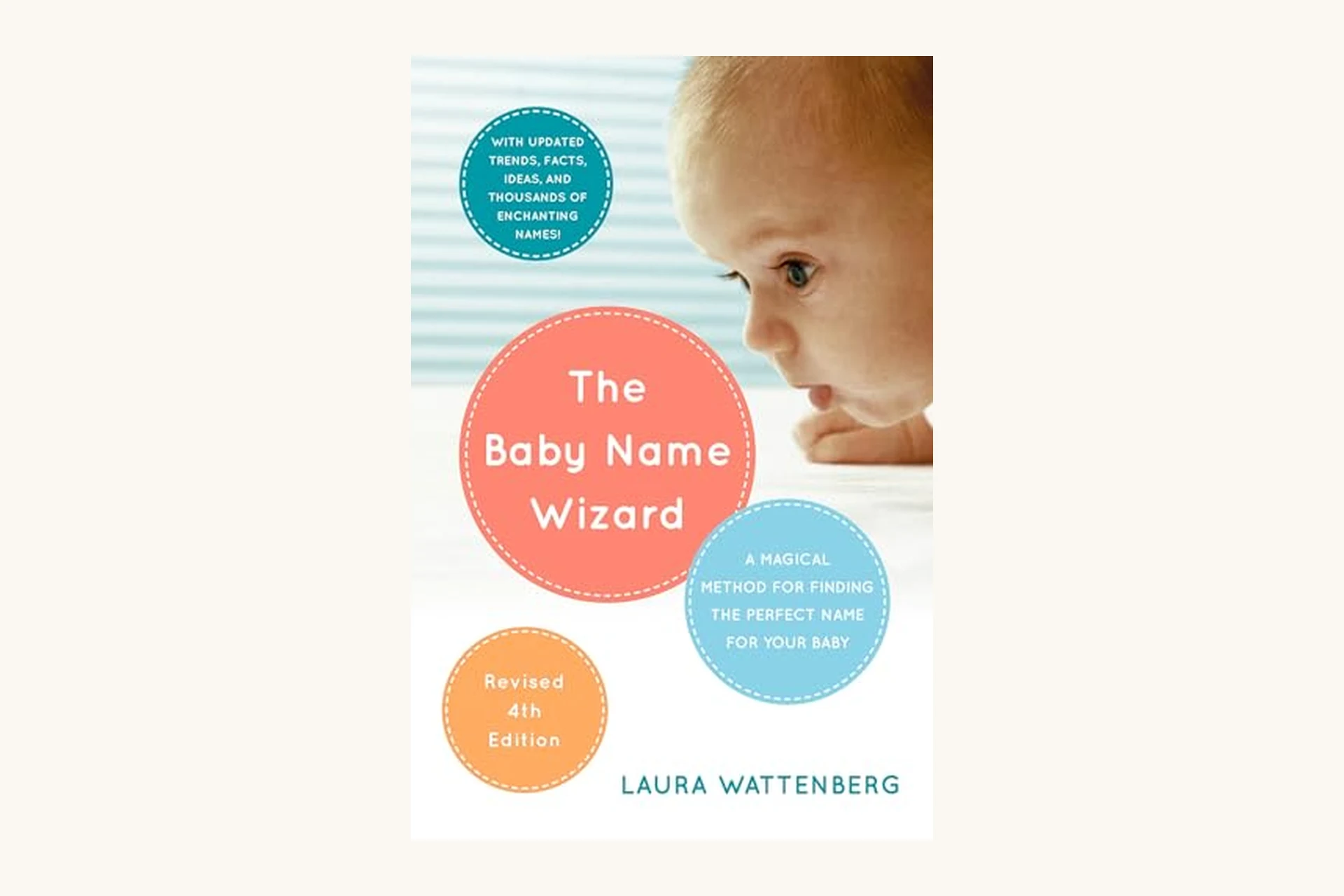
The Baby Name Wizard by Laura Wattenberg
The one book worth owning if lists like this one leave you wanting more. It sorts names by style and tracks a century of popularity, which is exactly how this guide is organized, and it helps you find names that feel similar to your favorites without being everywhere.
Shop This Post
Everything mentioned in this guide, in one place:
| Product | Used For | Price |
|---|---|---|
| The Baby Name Wizard by Laura Wattenberg | Going deeper on style and popularity (How to Narrow It to One) | Check Price |
Biblical Girl Name Questions
Are all of these names really in the Bible?
Almost all of them are the names of women in the Bible. The one exception is Selah, which is a word from the Psalms rather than a woman’s name, and this guide says so plainly in her entry. A name that merely sounds old, or that comes from a later tradition, did not make the cut.
What if a meaning is debated, like Mary or Leah?
Then this guide says so. Mary’s exact meaning is debated among scholars, traditionally read as beloved or wished-for child, and Leah is traditionally given as weary though some readings suggest delicate. A debated meaning does not make a name a bad choice, but you deserve to know before you choose.
Should I pick a name for its meaning or its sound?
Both, in that order. Start with meanings that move you, then say the survivors out loud with your last name. A beautiful meaning attached to a name that trips on your tongue will frustrate you daily, and a pretty sound with a story you dislike will nag at you too.
Can I use a biblical name if we are not religious?
Of course. Many parents choose these names simply because they are timeless, familiar, and full of history. Mary, Elizabeth, Rachel, and Naomi are loved far beyond any one faith, and no one will ask you for a reason at the playground.
How do I know I have picked the right one?
Live with it for a week. Use it in ordinary sentences and say it with your last name every morning. The right name still feels exciting on day seven. If it feels like a costume, it was a crush, not the one.
Happy naming, mama. Pick the name that feels like a blessing when you say it out loud, and trust that a name with this much history can hold a very big life.
More Baby Name Guides