
Japanese Twin Boy Names: 15 Perfect Pairs With Meanings

Two baby boys, one announcement, and twice the naming to do. Japanese twin boy names make that double job easier, because Japanese naming gives you three ready-made ways to pair names: share one kanji character, match the sound, or match the meaning. Pick any pair below and the two names already belong together. The pairs are grouped by what ties them together: five from nature, five that share a sound or a kanji, and five built on virtue and tradition.
These 15 Japanese twin boy names are really 15 pairs, 30 names in all, and each pair is a complete answer. Every name gives its kanji, its romaji reading, and its meaning as traditionally understood, plus a short note on why the two names work as a pair. If you are still building the big list, our full baby names guide organizes names the same way, by style.

Heads up: this post contains affiliate links. If you buy through them, MamaKinder may earn a small commission at no extra cost to you. It helps keep these guides free.
How Japanese Twin Pairs Work
A Japanese name takes its meaning from its kanji, the written characters chosen for it, so the same sound can mean different things with different kanji. That is what makes pairing twins so satisfying: you choose the characters, and the pair tells a small story. There are three ways to build that story, and every pair below uses one of them.
First, shared kanji: give both boys a name with the same character, and the pair is visibly linked on paper as well as in sound. Haruki and Natsuki both carry 樹, tree, and Daiki and Taiki both carry 大, great. Second, matching sound: pick names with the same ending or rhythm, like Haruto and Hiroto, and the two names ring together when you call them. Third, complementary meaning: pair two ideas that belong together, like sky and earth or moon and star, and the meaning does the matching for you.
One practical note: Japanese vowels are pronounced the way they look, a as in father, e as in pen, i as in feet, o as in go, u as in moon. Read each name slowly with those sounds and you will say it the way a Japanese speaker would. The kanji shown here are the standard writings for each name; if you fall in love with a sound, a Japanese name dictionary or a native speaker can help you pick the characters that carry the meaning you want.
Three Tests Before You Commit
Twin names get said together ten thousand times, so test them as a pair, not one at a time:
- Say both names together, three times fast. Call them the way you will across a playground: “Haruki! Natsuki! Dinner!” If the pair trips your tongue or turns into a joke, it fails, no matter how much you loved each name alone.
- Check the kanji, not just the sound. Read the characters under each name and ask whether the meaning is one you would be glad to explain to your sons one day. A shared character should mean something you like, because it is the link your boys will carry on paper.
- Test the grown-up version. Picture each name on a job application and in your warning voice, side by side. Both should pass on their own, because your twins will spend most of their lives as two separate men who happen to share a birthday.
Keep a shortlist of three pairs, live with them for a week, and notice which pair you keep reaching for.
Quick Picks: Where to Start
| If You Love… | Start With | Why It Works |
|---|---|---|
| A seasonal story | Haruki and Natsuki (number 1) | Spring tree and summer tree |
| Sky and earth | Sora and Daichi (number 2) | Two word-names that complete each other |
| A classic twin pair | Ichiro and Jiro (number 11) | First son and second son |
| Bright and hopeful | Akihiro and Akihiko (number 12) | Both carry bright |
| Strength and calm | Kenta and Yuta (number 14) | Healthy and brave |
Seasonal and Nature Pairs




These five pairs come from the natural world and pair by complementary meaning: two ideas that belong together, like the seasons or the sky and the ground. If your shortlist leans nature, our Japanese boy names and meanings guide carries the theme further, with more single names to mix and match.
-
Haruki 春樹 and Natsuki 夏樹 (Haruki: spring tree; Natsuki: summer tree). The shared kanji is 樹, tree, so the two names are visibly linked on paper.
This is the seasonal pair, spring and summer side by side: the shared tree character ties the names together while the seasons keep them distinct. It shortens sweetly to Haru and Natsu.
-
Sora 空 and Daichi 大地 (Sora: sky; Daichi: great earth). Two word-names that complete each other.
Sora is one of the best-loved Japanese boy names of the last twenty years, and Daichi is its grounded answer: the wide sky above the great earth. Say them together and you hear the balance, one open and airy, one solid and steady. Both are easy for English speakers to say.
-
Kaito 海斗 and Riku 陸 (Kaito: ocean, big dipper; Riku: land). Sea and land, the two halves of the shoreline.
Kaito is a modern favorite in Japan, built from 海, sea, and 斗, the Big Dipper, while Riku is the plain word for land. Together they sound like a journey: the ocean your boys will cross and the land they will come home to. Both are short, strong, and hard to mispronounce.
-
Tsuki 月 and Hoshi 星 (Tsuki: moon; Hoshi: star). Two word-names from the night sky.
These are nature word-names, names that are a picture rather than a wish. The moon and the star belong to the same sky, and the two names share the same soft register, short and gentle. This pair suits parents who want something poetic without anything hard to spell.
-
Ren 蓮 and Kai 海 (Ren: lotus; Kai: ocean). A lotus on the water and the water itself.
Ren is short, modern, and much loved in Japan, where 蓮, lotus, stands for purity because the flower rises clean from muddy water. Kai is the plain word for the ocean, equally at home in Japanese and English. Together they are the calmest pair on this list.
Matching-Sound Pairs That Share a Kanji




These five pairs are linked on paper: each shares one kanji character, and most share a sound too. The shared character is the secret handshake between the two names, visible every time they are written down.
-
Daiki 大輝 and Taiki 大貴 (Daiki: great radiance; Taiki: great nobility). Both carry 大, great, and sound near-identical.
This is the closest-sounding pair on the list, and that is the point: Daiki and Taiki differ by a single consonant, so they sound like brothers before you learn what they mean. The shared 大, great, gives both names the same strong start, while 輝, radiance, and 貴, nobility, give each boy his own quality.
-
Kazuki 和希 and Kazuya 和也 (Kazuki: harmony, hope; Kazuya: harmony, to be). Both carry 和, harmony, the character at the heart of the pair.
和, harmony, is one of the oldest and kindest ideas in Japanese naming, and it anchors both names here. Kazuki adds 希, hope, and Kazuya adds 也, a gentle word meaning to be, so the pair reads as harmony and hope beside harmony itself. The shared Kazu opening makes the two names easy to call together.
-
Yuto 悠斗 and Yuma 悠真 (Yuto: calm, big dipper; Yuma: calm, truth). Both carry 悠, calm and unhurried, and both are soft to say.
悠 is a slow, deep character, the opposite of hurry, and it gives this pair its whole feeling. Yuto pairs it with 斗, the Big Dipper, and Yuma pairs it with 真, truth, so one boy carries the calm stars and the other carries calm truth. Both are popular in Japan right now.
-
Haruto 陽翔 and Hiroto 大翔 (Haruto: sunlight, soar; Hiroto: great, soar). Both carry 翔, soar, and both end in the same bright -to sound.
Haruto has been one of the most popular boy names in Japan for years, and Hiroto is its strong older brother: 陽, sunlight, beside 大, great, both ending in 翔, soar. The pair sounds like two birds taking off together. If you love Haruto but want the pair matched rather than copied, Hiroto is the answer.
-
Renji 蓮二 and Kenji 健二 (Renji: lotus, second; Kenji: healthy, second). Both carry 二, two, the number that makes this pair perfect for twins.
二 means two, and it sits at the end of both names, a quiet nod to the fact that these boys arrived as a pair. Renji joins it to 蓮, lotus, and Kenji joins it to 健, healthy, so the pair reads as lotus-two and healthy-two. Kenji is the classic, Renji the fresher partner.
Virtue, Strength and Tradition Pairs




These five pairs are built on character: virtues, strength, and the oldest twin tradition in Japan. Choose them when you want the names to say something about the men your boys will become.
-
Ichiro 一郎 and Jiro 二郎 (Ichiro: first son; Jiro: second son). The traditional twin pair, written into the names themselves.
This is the pair Japanese families have used for generations: 一郎, first son, and 二郎, second son, with 郎, son, shared between them. It is honest about birth order, so say it out loud before you commit. If you like the tradition but not the numbering, the other pairs here give you the same old-fashioned strength without the count.
-
Akihiro 明弘 and Akihiko 明彦 (Akihiro: bright, vast; Akihiko: bright, prince). Both carry 明, bright, with the steady rhythm of classic Japanese names.
明, bright, is the shared light in this pair, and the two names split it two ways: Akihiro joins it to 弘, vast, and Akihiko joins it to 彦, prince or boy. Together they sound like a promise, bright and wide and bright and noble, with a formal, grown-up sound.
-
Makoto 誠 and Tadashi 正 (Makoto: sincerity; Tadashi: correct, righteous). Two virtue names, honesty beside rightness.
This pair matches by meaning alone, and that is its strength: Makoto, sincerity, and Tadashi, correct or righteous, are two halves of the same character. The names do not rhyme and share no character, so each boy keeps a completely separate sound, which suits twins whose parents want them to feel like individuals first and a pair second.
-
Kenta 健太 and Yuta 雄太 (Kenta: healthy, thick; Yuta: brave, thick). Both carry 太, thick and strong.
太 is the character for thick, great, and sturdy, and it ends both names with the same strong beat. Kenta joins it to 健, healthy, and Yuta joins it to 雄, brave or heroic, so the pair reads as healthy-and-strong beside brave-and-strong. These are playground names, short and punchy.
-
Satoshi 聡 and Kiyoshi 清 (Satoshi: wise, quick-witted; Kiyoshi: pure, clear). Wisdom beside purity.
Satoshi, from 聡, wise and quick to understand, and Kiyoshi, from 清, pure and clear, are two old virtues that sound calm rather than grand. Neither name shouts, and that is the point: this pair suits parents who want names with depth that do not need to announce themselves. Both are established classics.
How to Narrow It to One Pair
Once you have a shortlist of three pairs, use one pair a day. Say both names when you talk to your babies, write them on a scrap of paper by your bed, and say them with your last name at breakfast. The pair that still feels exciting on day three is the one.
If you disagree with your partner, trade vetoes instead of votes. Each of you removes one pair, no arguments, and the survivors get a fresh week. The answer hides in the pairs nobody vetoed. And if you love a name from a cousin list, say it here too: our modern boy names guide is the closest cousin for short, current-sounding picks, and our Greek boy names guide offers the same old-world strength in a different tradition.
A last practical note: try the initials with your last name before you decide, and say both full names in your warning voice, because that is the voice that will say them most. And while you wait, our pregnancy hacks guide has the small tricks that made my own pregnancies easier.
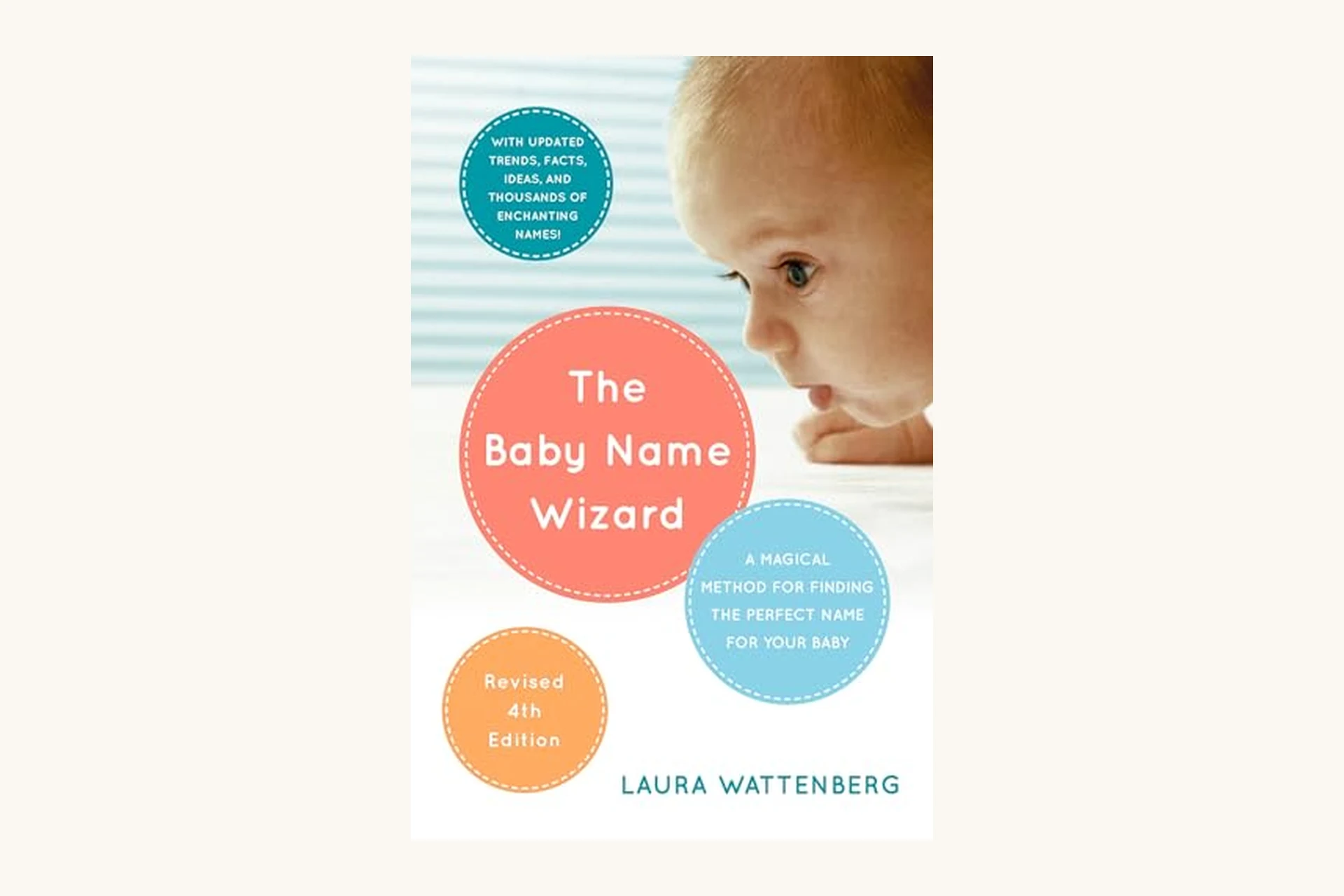
The Baby Name Wizard by Laura Wattenberg
The one book worth owning if lists like this one leave you wanting more. It sorts names by style and tracks a century of popularity, which is exactly how this guide is organized, and it helps you find names that feel similar to your favorites without being everywhere.
Shop This Post
Everything mentioned in this guide, in one place:
| Product | Used For | Price |
|---|---|---|
| The Baby Name Wizard by Laura Wattenberg | Going deeper on style and popularity (How to Narrow It to One Pair) | Check Price |
Japanese Twin Boy Name Questions
What makes two Japanese names a good twin pair?
A good pair shares something real: one kanji character, a matching sound, or a complementary meaning. Haruki and Natsuki share the character for tree, Haruto and Hiroto share the sound and the character for soar, and Sora and Daichi share nothing on paper but complete each other as sky and earth. Any one of those three links is enough.
Do twin names need to share a kanji?
No, and the pairs above prove it. Five share a kanji, five share a sound, and five match by meaning alone, like Makoto and Tadashi. A shared kanji is the most visible link, because it shows in writing, but a shared meaning can be just as strong, and it lets each boy keep a completely separate sound.
Are all 15 of these pairs really for twin boys?
Yes. Every name here is used for boys in Japan, and every pair is built from two boy names. A few are nature word-names, like Sora and Tsuki, which Japanese parents use for boys as well as girls, but the pairs themselves are boy pairs, chosen the way Japanese families choose them.
Should I pick a pair for its meaning or its sound?
Start with the sound, then let the meaning break the tie. You will say these two names together ten thousand times, so they have to feel good in your mouth and with your last name. When two pairs sound equally good, pick the meaning you would be proudest to explain to your sons one day. A pair with a meaning you love is a pair you will never regret.
How do I know I have picked the right pair?
Live with it for a week. Say both names at breakfast, write them on a scrap of paper, use them in your warning voice, and say them with your last name. The right pair still feels exciting on day seven and survives a veto from your partner without a fight. If two pairs are still tied, the one you reach for first in the morning is the answer.
Happy naming, mama. Pick the pair that sounds like two voices in harmony when you say it out loud.
More Baby Name Guides