Thanksgiving Painted Pumpkin Ideas: 31 Cozy Harvest Crafts
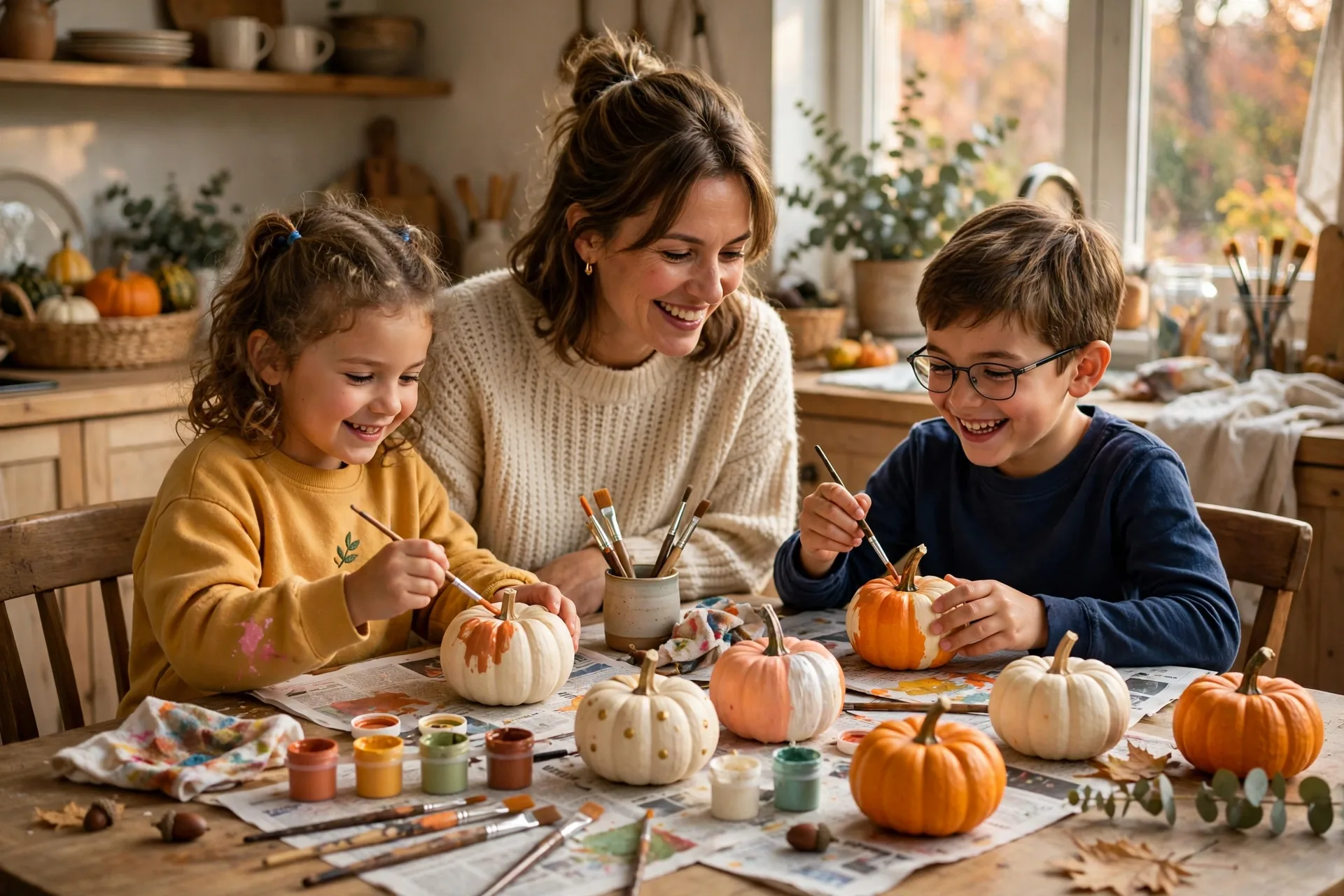
Two years ago I made the mistake of letting my four-year-old “help” with a carved jack-o’-lantern. She lasted one minute with the scoop, cried about the smell, and then ate a dinner roll with pumpkin guts on her sleeve. The next fall I skipped the knife entirely. We painted.
Nine pumpkins later, I was converted. Painted pumpkins are the no-carve craft that works for the whole season: nothing Halloween-specific, nothing that rots on the porch by November 20, and every design in this guide doubles as Thanksgiving decor or table fun. Here are our 31, sorted by what my kids (4 and 2) can actually do, with a paint playbook by age so you buy the right paint once.
Heads up: this post contains affiliate links. If you buy through them, MamaKinder may earn a small commission at no extra cost to you. It helps keep these guides free.
Quick Picks: Which Pumpkin Tonight?
| Idea | Best for | Time |
|---|---|---|
| 1. The Thankful Pumpkin | Ages 5+ write, little ones dictate | 20 min to start, seconds a day |
| 2. The Turkey Pumpkin | Ages 3+ | 45 min |
| 3. Leaf-Print Pumpkins | Ages 3+ | 30 min |
| 4. Mini Name Place Cards | Ages 4+ | 10 min each |
| 5. The “Give Thanks” Trio | Ages 6+ | 1 hour |
| 6. The Harvest Ombre | Grown-up led, older kids help | 30 min + dry time |
| 7. Mini Candle-Holder Pumpkins | Paint: ages 3+. Scooping: grown-up only | 40 min |
| 8. Fingerprint Dot Pumpkin | Ages 2+ | 15 min |
| 9. The Pumpkin Pie Face | Ages 3+ | 25 min |
| 10. The Cornucopia Pumpkin | Ages 4+ | 40 min |
| 11. The Plaid Pumpkin | Grown-up led | 45 min |
| 12. The Sunflower Pumpkin | Ages 5+ | 35 min |
| 13. The Acorn and Oak Leaf Pumpkin | Ages 3+ | 30 min |
| 14. The “Blessed” Script Pumpkin | Ages 8+ | 30 min |
| 15. The Polka-Dot Harvest Pumpkin | Ages 2+ | 15 min |
| 16. The Scarecrow Face Pumpkin | Ages 4+ | 40 min |
| 17. The Fox Face Pumpkin | Ages 5+ | 35 min |
| 18. The Owl Face Pumpkin | Ages 5+ | 35 min |
| 19. The Cranberry Garland Pumpkin | Ages 6+ | 30 min |
| 20. The Chalkboard Pumpkin | Ages 4+ | 20 min + dry time |
| 21. The Metallic Gold-Leaf Pumpkin | Grown-up led | 40 min |
| 22. The Harvest Moon Pumpkin | Ages 6+ | 35 min |
| 23. The Pumpkin Patch Scene Pumpkin | Ages 7+ | 1 hour |
| 24. The Sweater-Knit Pumpkin | Ages 8+ | 45 min |
| 25. The Monogram Pumpkin | Ages 6+ | 25 min |
| 26. The Fall Wreath Pumpkin | Ages 4+ | 30 min |
| 27. The Pilgrim Hat Pumpkin | Ages 3+ | 25 min |
| 28. The Three Sisters Pumpkin | Ages 7+ | 40 min |
| 29. The Candy Corn Stripe Pumpkin | Ages 3+ | 30 min |
| 30. The Gratitude Tree Pumpkin | Ages 5+ | 35 min |
| 31. The Family Handprint Pumpkin | Ages 2+ | 20 min |
The Paint Playbook (Read This First)
Wrong paint is how painted pumpkins fail. Here is the honest breakdown for a family table, because the two-year-old and the eight-year-old do not get the same paint.
| Paint | Best for | What to know |
|---|---|---|
| Washable tempera kids’ paint | Toddlers and preschoolers | Cleans off hands and clothes with soap and water. Runs if the pumpkin gets wet, so display finished pumpkins indoors or under cover. |
| Acrylic craft paint | Ages 5+ and keepsake designs | Bright, sticks well, and is water-resistant once dry. Stains clothes, so dress for the mess. |
| Acrylic paint pens | Ages 6+ and all lettering | No water cup to knock over, clean lines, dry fast. This is what writes words on pumpkins. |
A few house rules before the first brush stroke. Cover the table, pour a little paint at a time into a muffin tin, and keep paint out of reach of anyone who still tastes things unless a grown-up is watching closely. Look for paints with the ACMI “AP” seal, which means certified non-toxic for art materials. Googly eyes and other small embellishments are choking hazards for children under 3 (the CPSC bans small parts in toys for under-3s), so paint those faces on for the littlest ones. Anything sprayed (sealer, spray paint) is an adults-only, outdoors job.
The two paints that run our house: ARTISTRO Acrylic Paint Marker Pens for lettering and details, and Crayola Washable Kids’ Paint for everything a toddler touches. Ten washable colors in the set, and it comes off hands with soap and water.
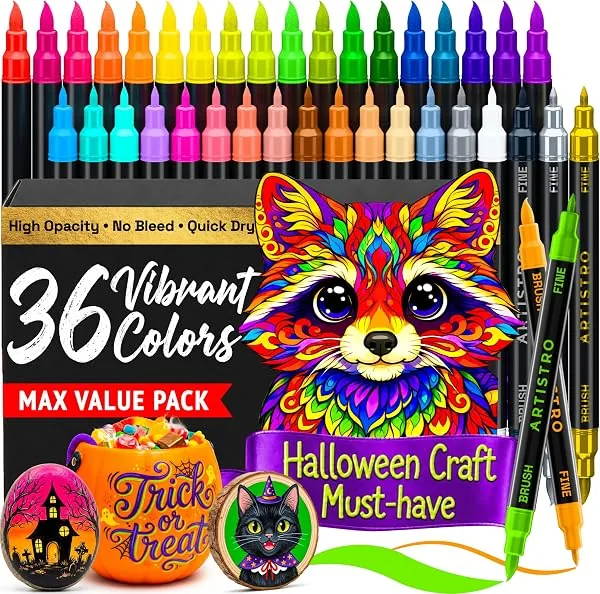
ARTISTRO Acrylic Paint Marker Pens, 36 Colors
Clean lines with no water cup to spill. These write the words on pumpkins 1, 4, 5, 14, 25, and 30, and they dry fast enough that little hands do not smear them.
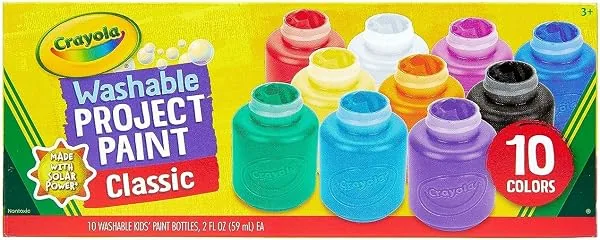
Crayola Washable Kids’ Paint, 10 Count
Ten washable, non-toxic colors for every pumpkin a toddler touches. The house standard for the messy ones, and it comes off little hands with soap and water.
The 31 Harvest Crafts
Every idea below is no-carve, Thanksgiving-appropriate, and listed with who can do it. A real pumpkin or a faux craft pumpkin both work; notes on picking the right one are at the end.
1. The Thankful Pumpkin (Ages 5+ write, little ones dictate)
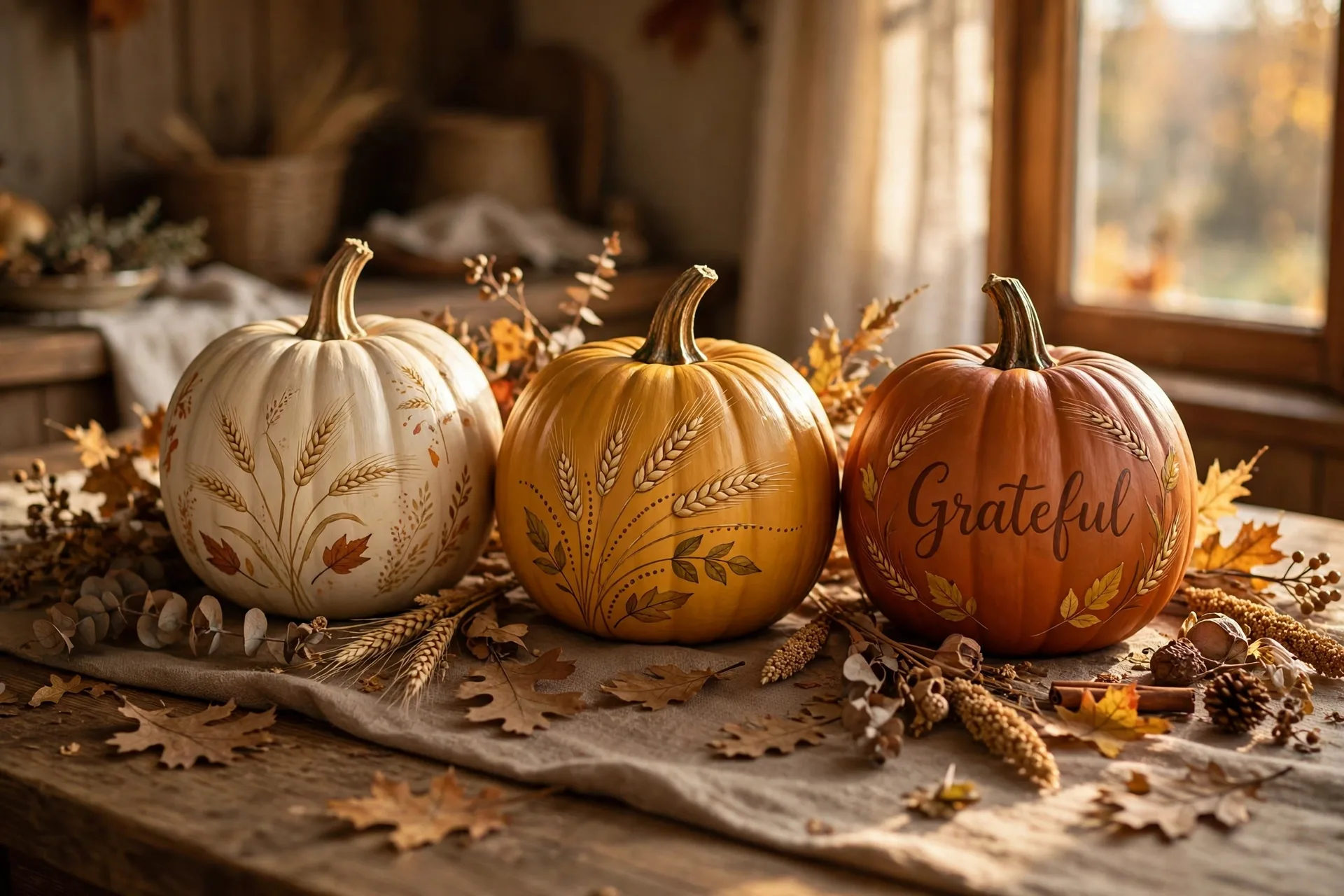
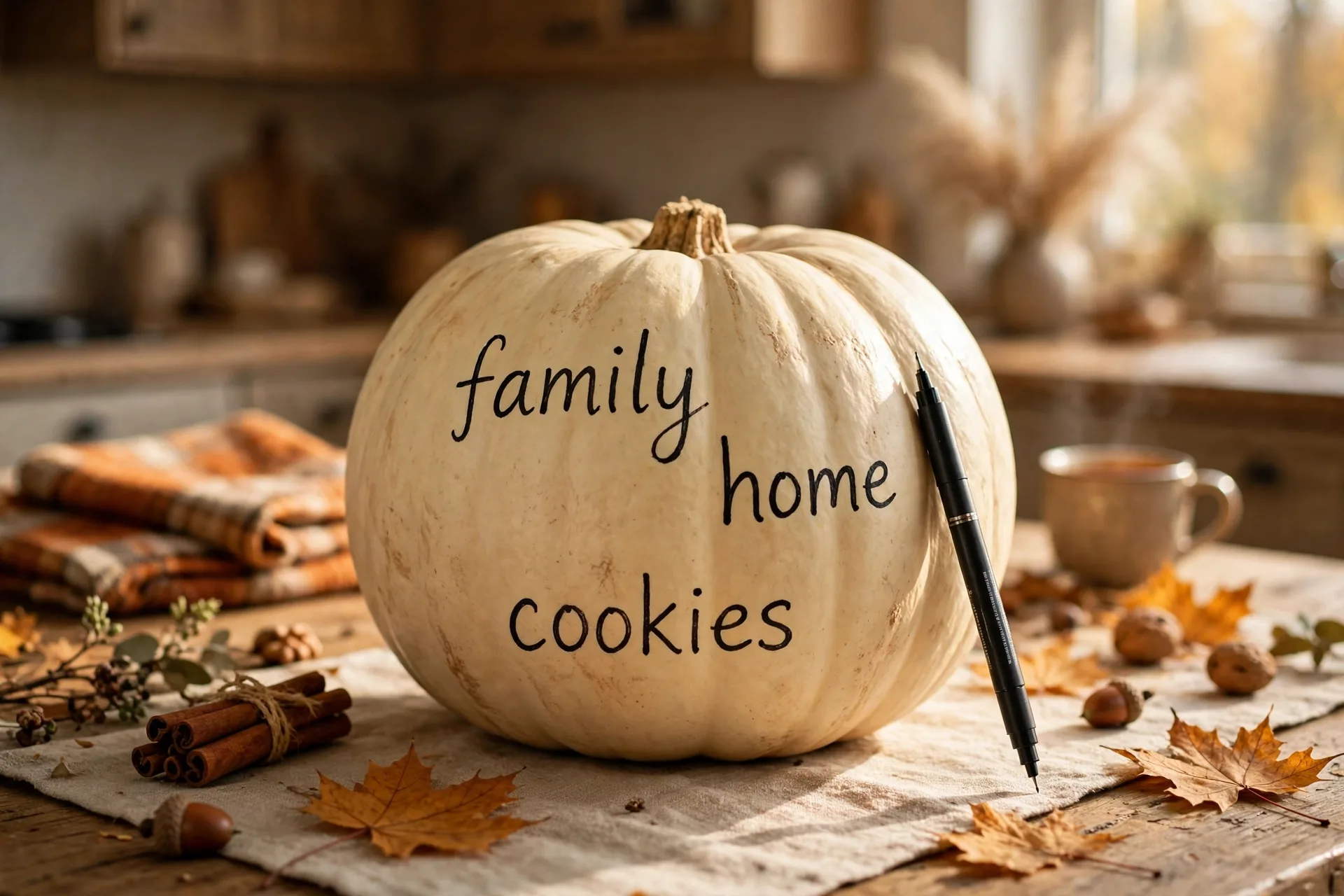
This is the one that earns its space all November. Start with a large cream or white pumpkin and leave most of the surface blank. Each day, one person adds a single word or short phrase in a paint pen: something they are grateful for, written small enough that a month of entries fits.
By Thanksgiving dinner the pumpkin is covered in handwriting and becomes the most personal centerpiece on the table. My four-year-old dictates hers (“my bed,” “mac and cheese,” “the dog, but not the vet part”) and I write them in. Sketch nothing in pencil first; the uneven, human handwriting is the whole point. One coat of acrylic white as the base makes a real pumpkin’s letters crisp, and a grown-up should do any spray sealer outdoors at the end if you want to keep it year after year.
2. The Turkey Pumpkin (Ages 3+)
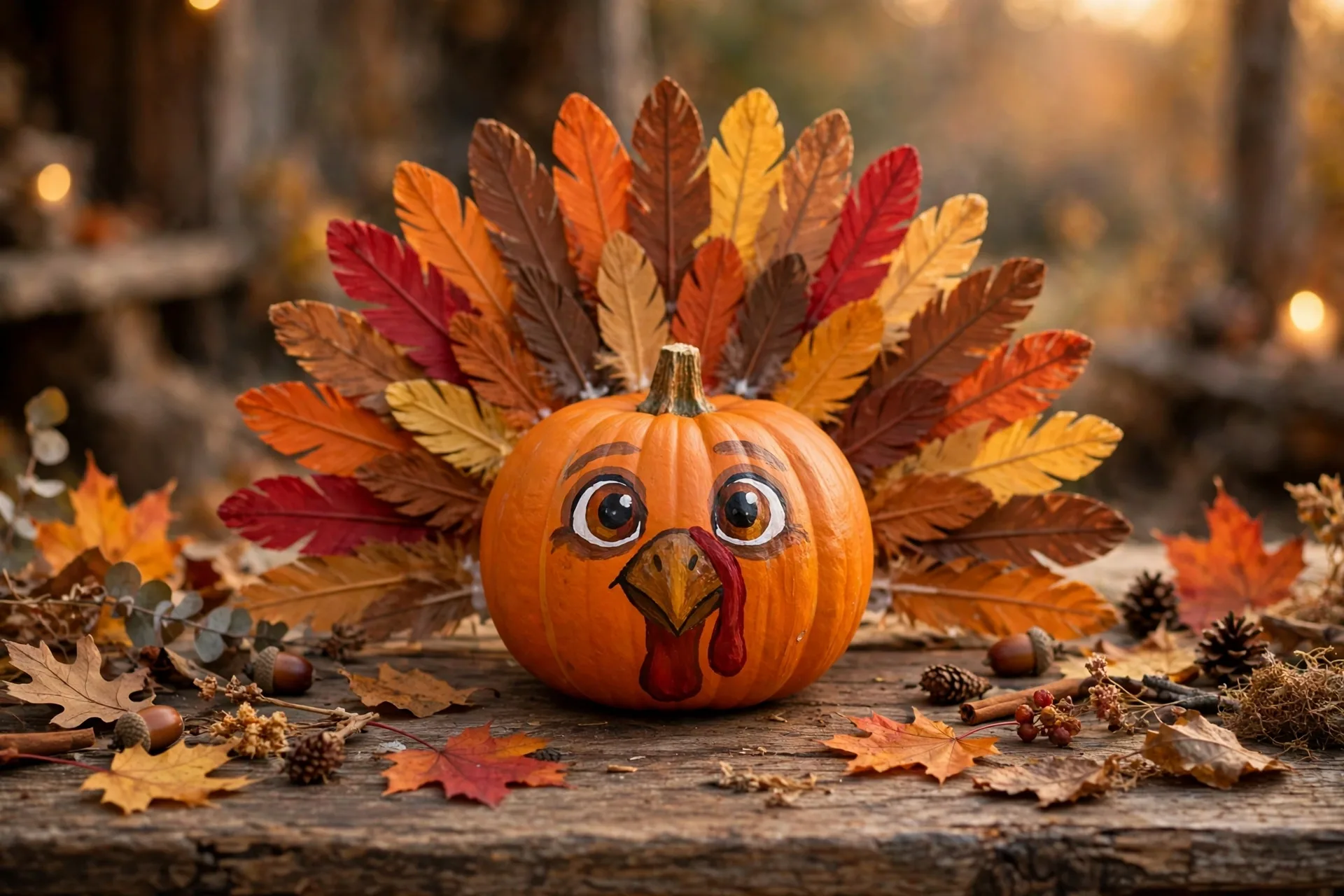
The classic no-carve Thanksgiving pumpkin, and the one your kids will remember. Paint a brown turkey face on the front of a medium pumpkin (round body shape works best, orange or white), then add the feather fan behind it: trace feather shapes on colored construction paper, cut a whole flock of them, and glue them in a fan at the back. A grown-up does the cutting and gluing; kids paint the face and pick the feather colors.
Self-adhesive googly eyes make the turkey face fast and funny for ages 3 and up, with grown-up supervision. For under-3s, paint the eyes on instead (choking-hazard rule: nothing small and detachable near toddlers). Draw the beak and wattle with a paint pen, and the stem doubles as the top of the head.
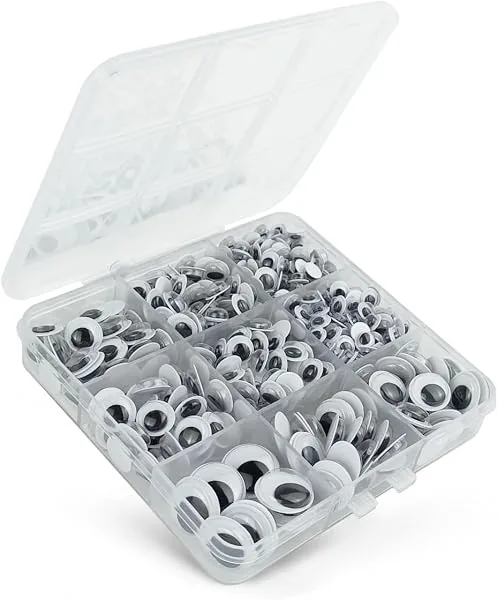
Self-Adhesive Googly Wiggle Eyes, 520 Pieces
Self-adhesive, so no extra glue for the turkey face. A grown-up sticks them on for under-3s; one pack covers years of turkeys and monsters.
Cutting a flock of feathers plus a few turkeys eats paper fast. A bulk pack of Crayola Construction Paper covers the feathers, plus leaf cutouts and name tags for the place cards below. Brown, rust, mustard, and gold make the prettiest fan.
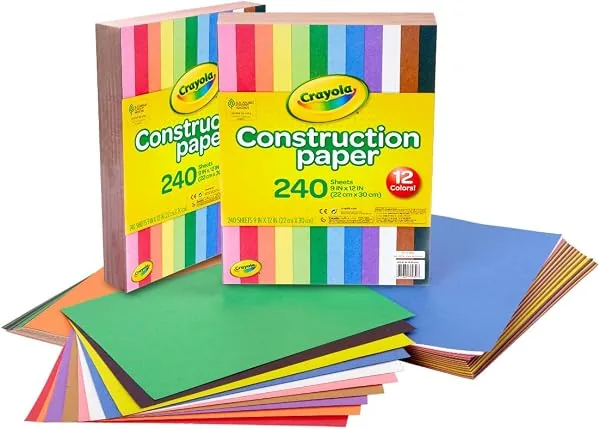
Crayola Construction Paper, 480 Sheets
One bulk pack covers the turkey’s feather fan, paper leaf cutouts, and the mini name tags for the place cards. Plenty left over for the rest of November.
3. Leaf-Print Pumpkins (Ages 3+)
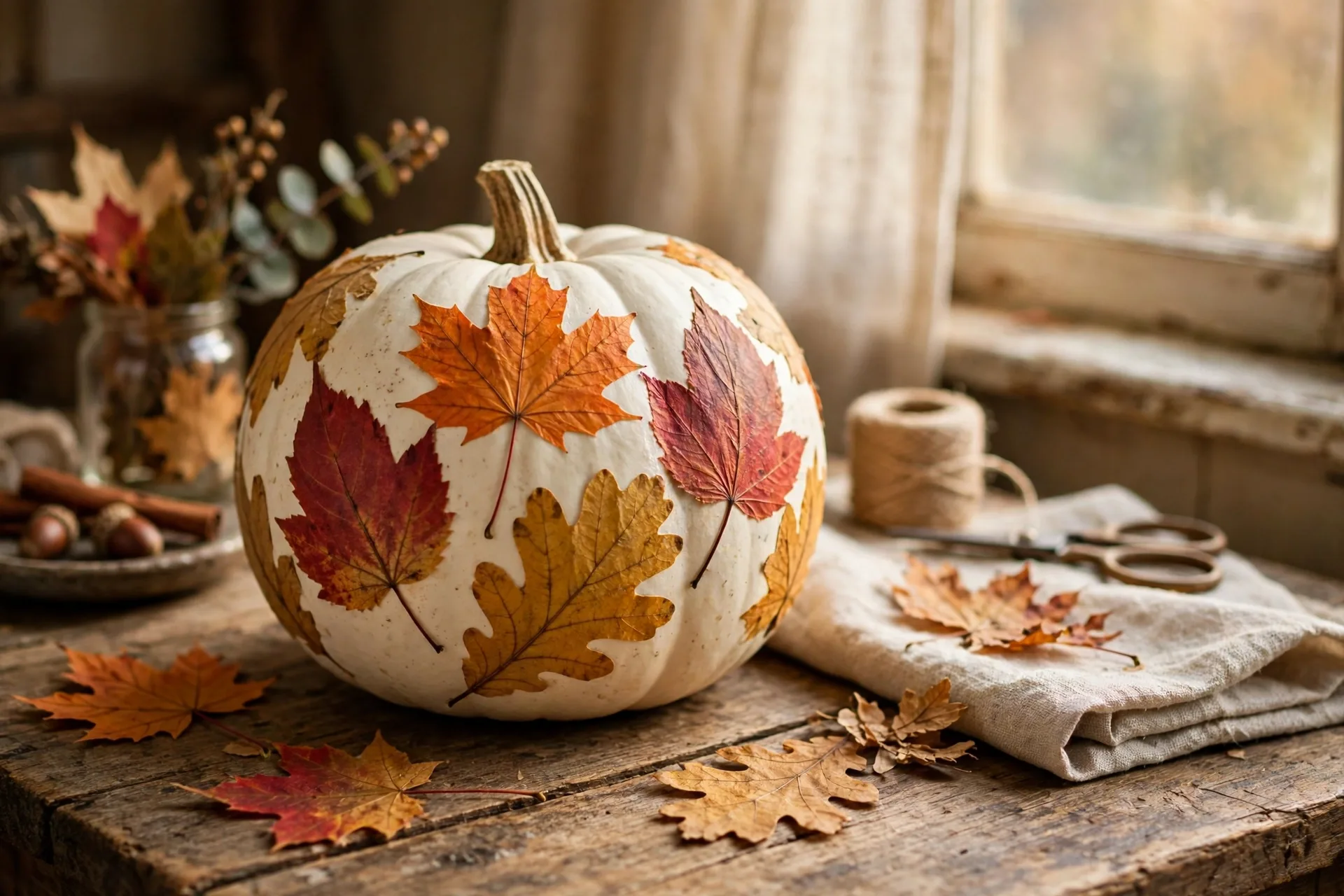
Nature printing with zero drawing skill required. Collect real fall leaves with strong veins, brush a thin coat of washable paint on the veined side, and press each leaf firmly onto the pumpkin. Peel slowly. The vein pattern prints like a botanical stamp.
Mix fall colors across one pumpkin or do a single color on a white pumpkin for a cleaner look. Thin paint prints better than thick; a sponge brush loads more evenly than a bristle one. Kids pick the leaves and press them, and the prints survive indoors just fine. If you want them to last on a porch, use acrylic paint for the prints instead of washable.
4. Mini Name Place Cards (Ages 4+)
One mini pumpkin per guest. Paint each one cream or sage with a quick base coat, then letter a guest’s name in rust on the front with a paint pen. They sit at the tip of each fork like little place cards, and guests take theirs home at the end of the night, which means nothing to store and nothing to throw away.
Keep the lettering style consistent across the set: all printed or all script, never a mix. A four-year-old can paint the base coats and hand you the pens; older kids letter their own. Plan about ten minutes per pumpkin, so a table of twelve is a pleasant two-afternoon project, not a Thanksgiving-morning panic.
5. The “Give Thanks” Trio (Ages 6+)
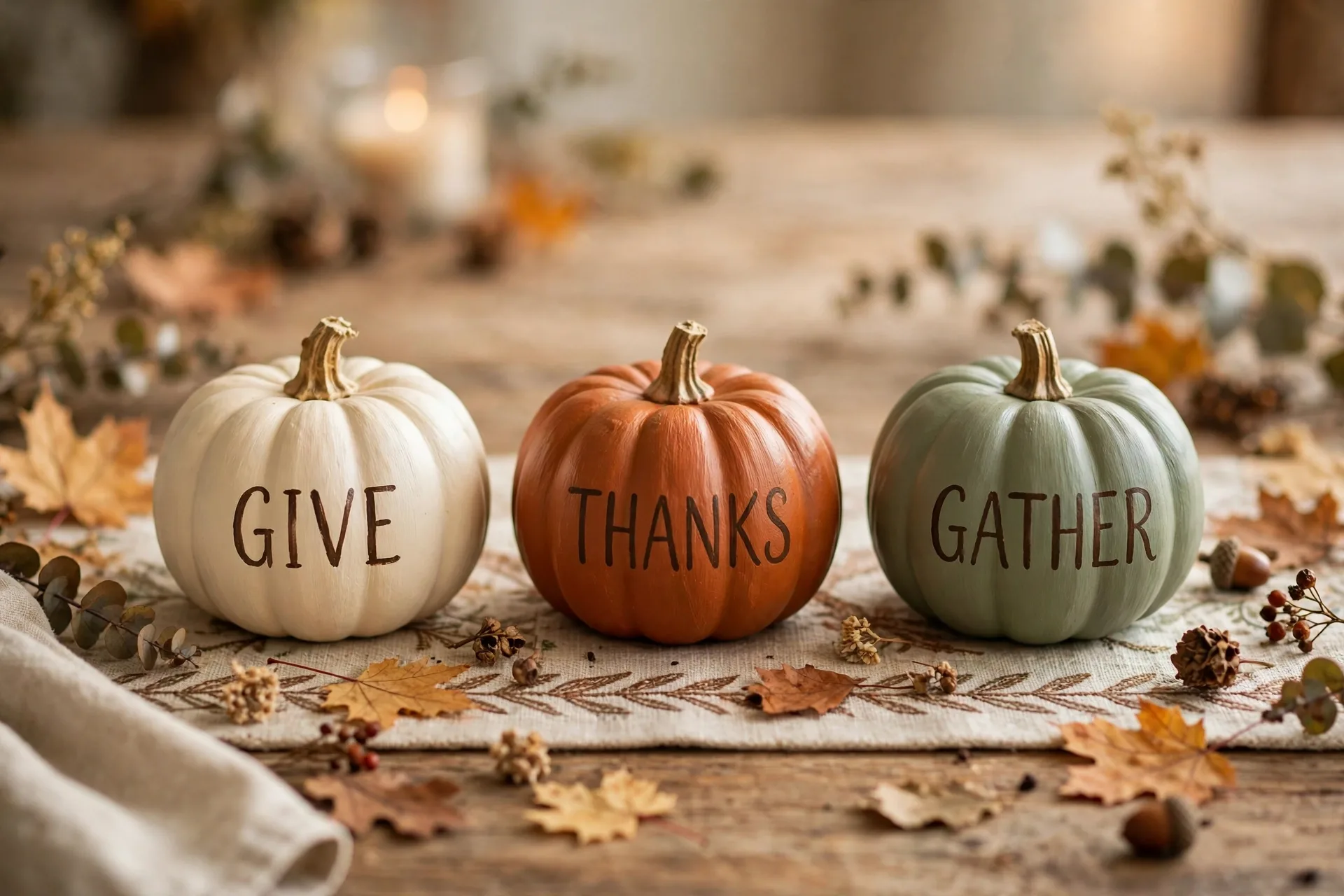
Three pumpkins, small, medium, and large, each painted in a different warm tone (cream, rust, sage). Letter one word of a short phrase on each in a contrasting color: “Give” on the cream one, “Thanks” on the rust, “Always” on the sage. Set them in order down the table runner.
The phrase only makes sense when all three sit together, which makes guests read the table as a whole before they sit down. Lettering on a curved surface is the one tricky part: measure the circumference with a strip of paper, find the center letter, place it dead-center front, and work outward with chalk first before the paint pen goes near it. This is an older-kid job; a grown-up handles the layout and lets them trace over it.
6. The Harvest Ombre (Grown-up led, older kids help)
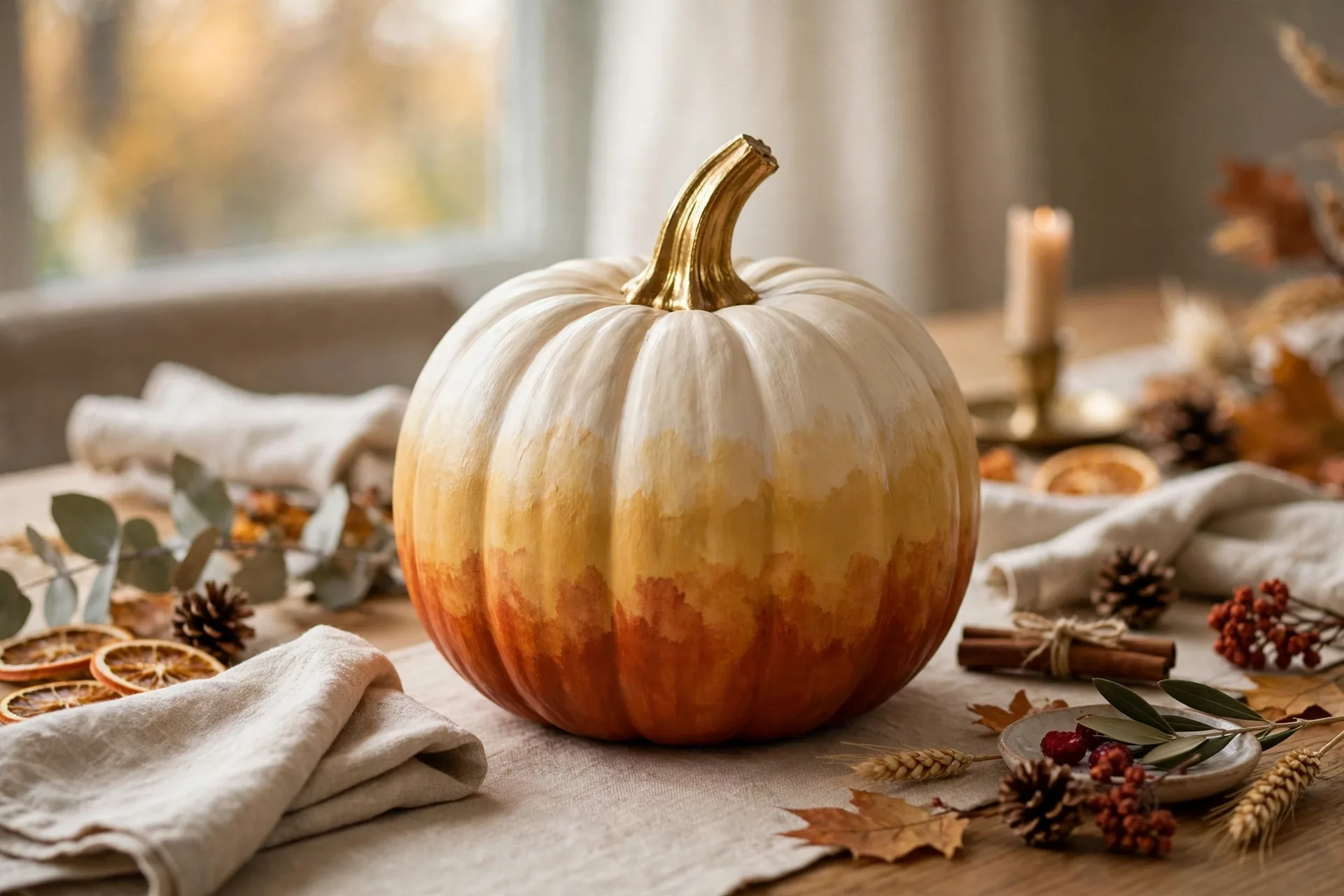
The decor one. Load a wide flat brush with cream paint and cover the top third of the pumpkin. While it is still wet, blend mustard into the middle third, then rust at the base, feathering the transitions with a dry brush. The blend does not need to be seamless; a soft band where the colors meet looks like a natural gradient.
The finishing touch is the stem: paint it gold (two coats, sealed with gloss for the shine) and let the body stay as is. The gold stem makes the whole piece read expensive from across the room. On faux pumpkins the paint stays workable longer, which makes blending easier; on real ones, a white base coat first keeps the colors true.
7. Mini Candle-Holder Pumpkins (Paint: ages 3+. Scooping: grown-up only)
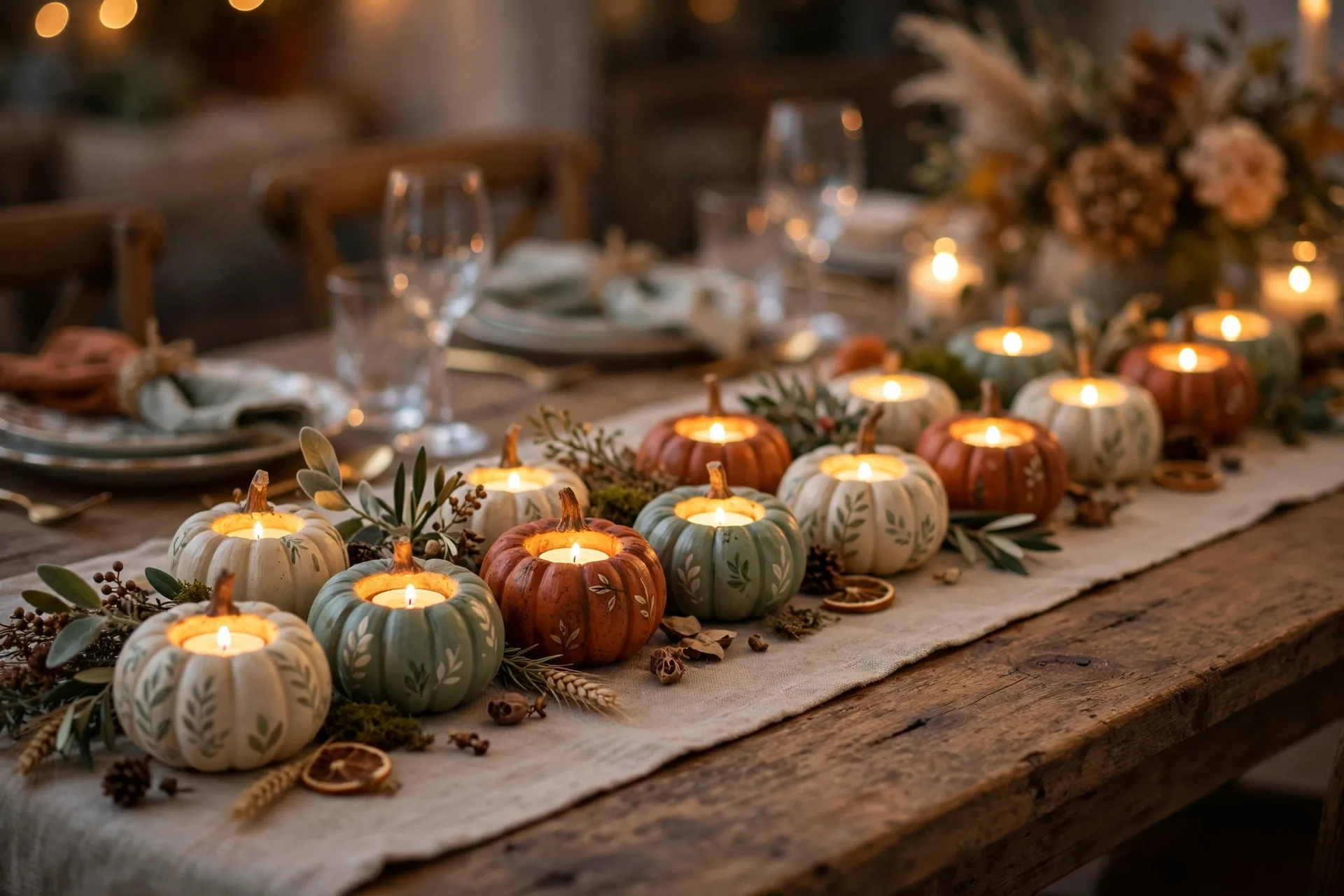
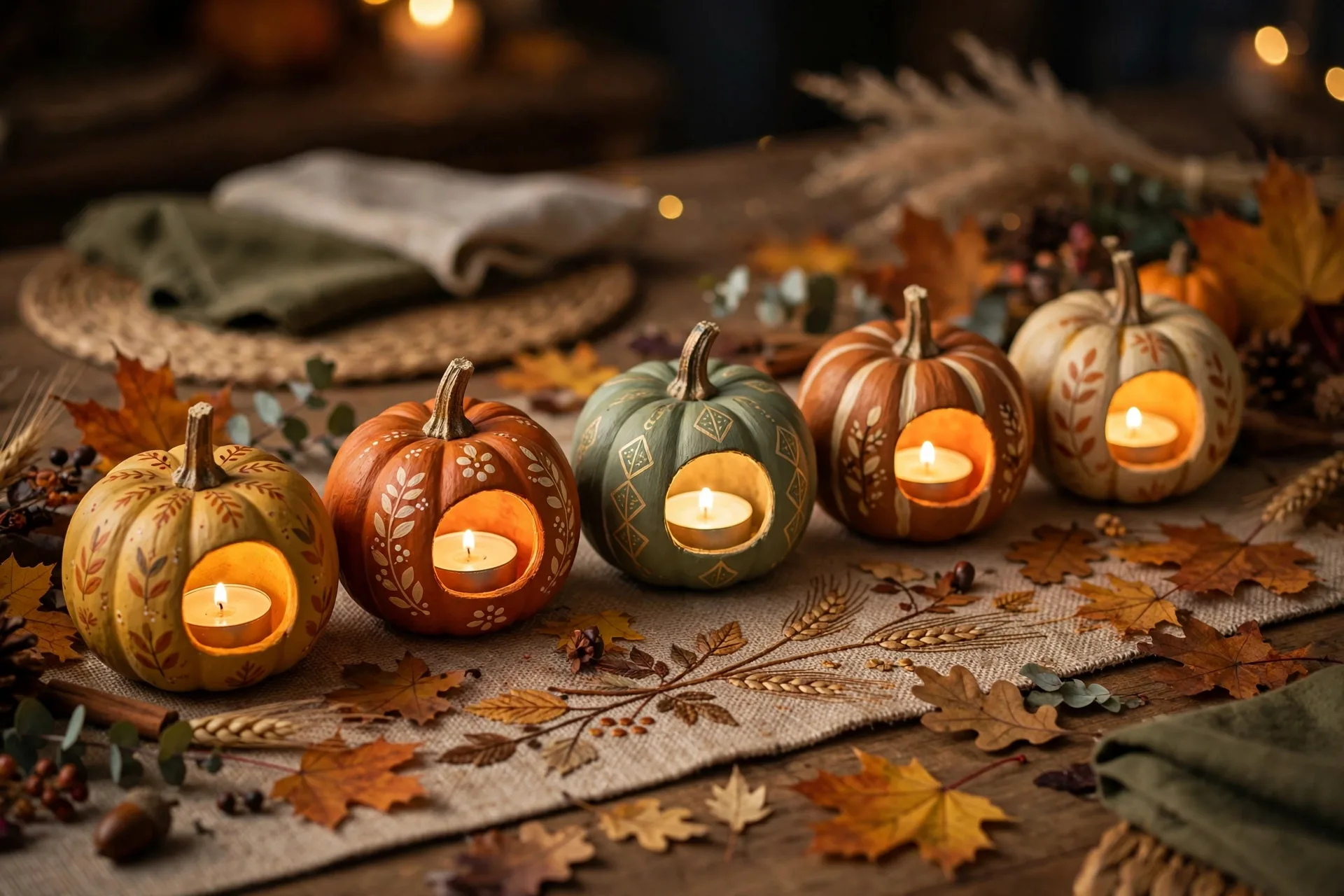
Line the table runner with mini pumpkins that glow. A grown-up scoops the top of each real mini pumpkin to fit a light snugly (or you can buy faux minis with a pre-formed cavity). Kids paint the outsides in any harvest tone, then each one gets a light and they are set down the center of the table at even intervals.
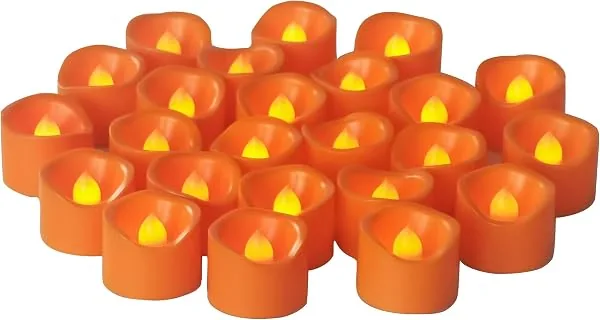
Here is the safety line: only flameless LED tea lights go inside pumpkins that children painted and will be near. Real candles inside a painted pumpkin are a fire risk with kids and pets at the table. The LED flicker gives the same glow, the kids get to place their own, and nobody watches the table like a hawk all dinner.
Flameless LED Tea Light Candles
The glow behind the candle-holder minis: warm flicker with no open flame around kids, paper name tags, and painted pumpkins. Grown-ups handle the battery covers.
8. Fingerprint Dot Pumpkin (Ages 2+)
This is the two-year-old’s pumpkin, and it is pure process art. Dip fingertips in washable paint and press them all over a small pumpkin: dots, dot flowers, a dotted border around the stem. A grown-up adds faces or legs with a paint pen after the dots dry if the mood strikes.
Count the dots together, name the colors, let them mix red and yellow on the surface and discover orange. Fifteen minutes is plenty; the pumpkin dries in about an hour. It will not win any contests and it will absolutely end up on the Thanksgiving table, because it is the one they made all by themselves.

9. The Pumpkin Pie Face (Ages 3+)
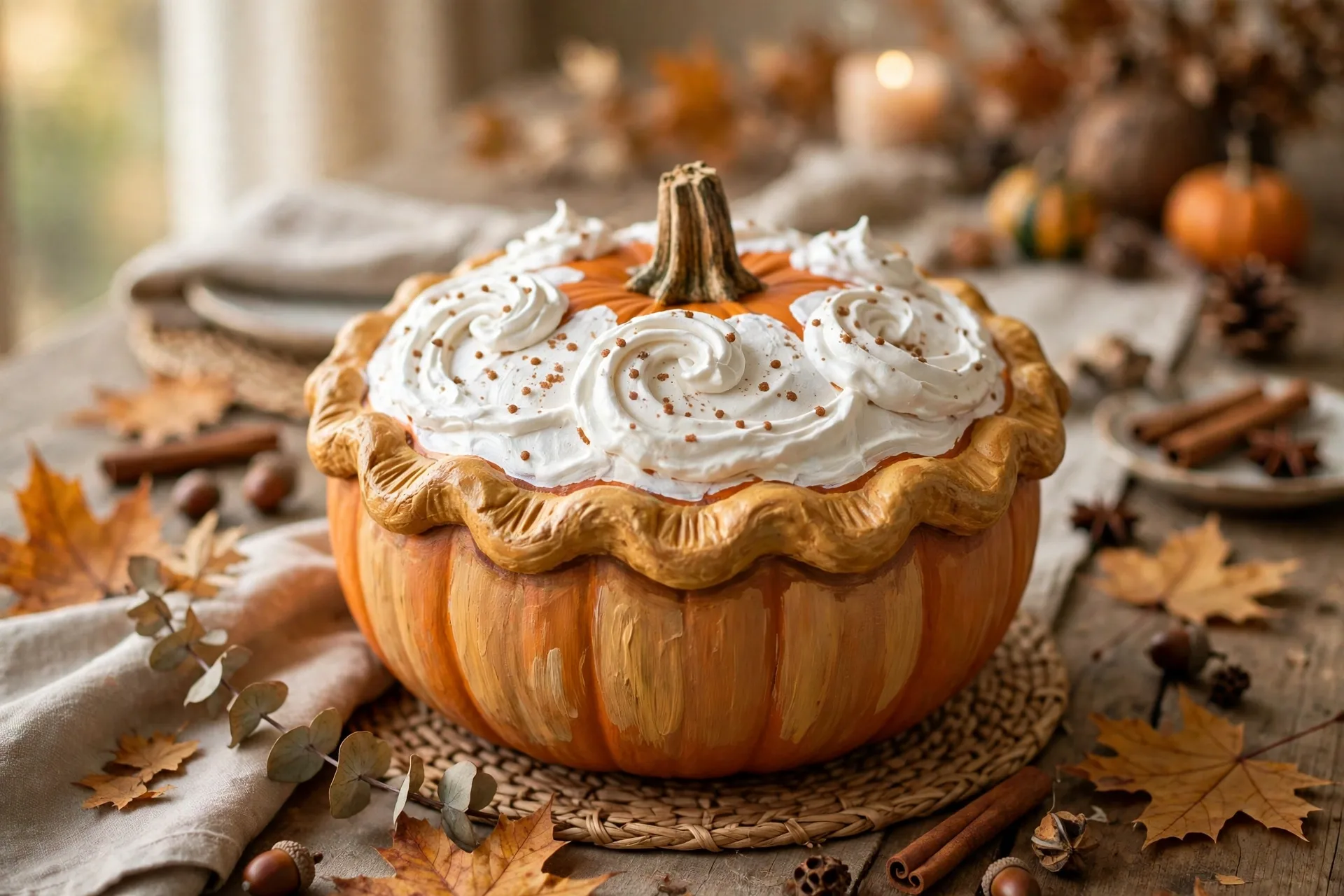
The funny one. Paint the pumpkin a tan pie-crust color with a base coat, then paint a wavy crimped edge around the top where a pie crust would pinch. Add soft white swirls across the surface for whipped cream, and a dusting of cinnamon-brown dots for spice.
It is a giant slice of pie disguised as a pumpkin, and it always gets a laugh at the kids’ table. A toothpick or the tip of a small brush makes the neatest swirl dots. Pair it next to the turkey pumpkin and the table starts to tell a whole Thanksgiving story.
10. The Cornucopia Pumpkin (Ages 4+)
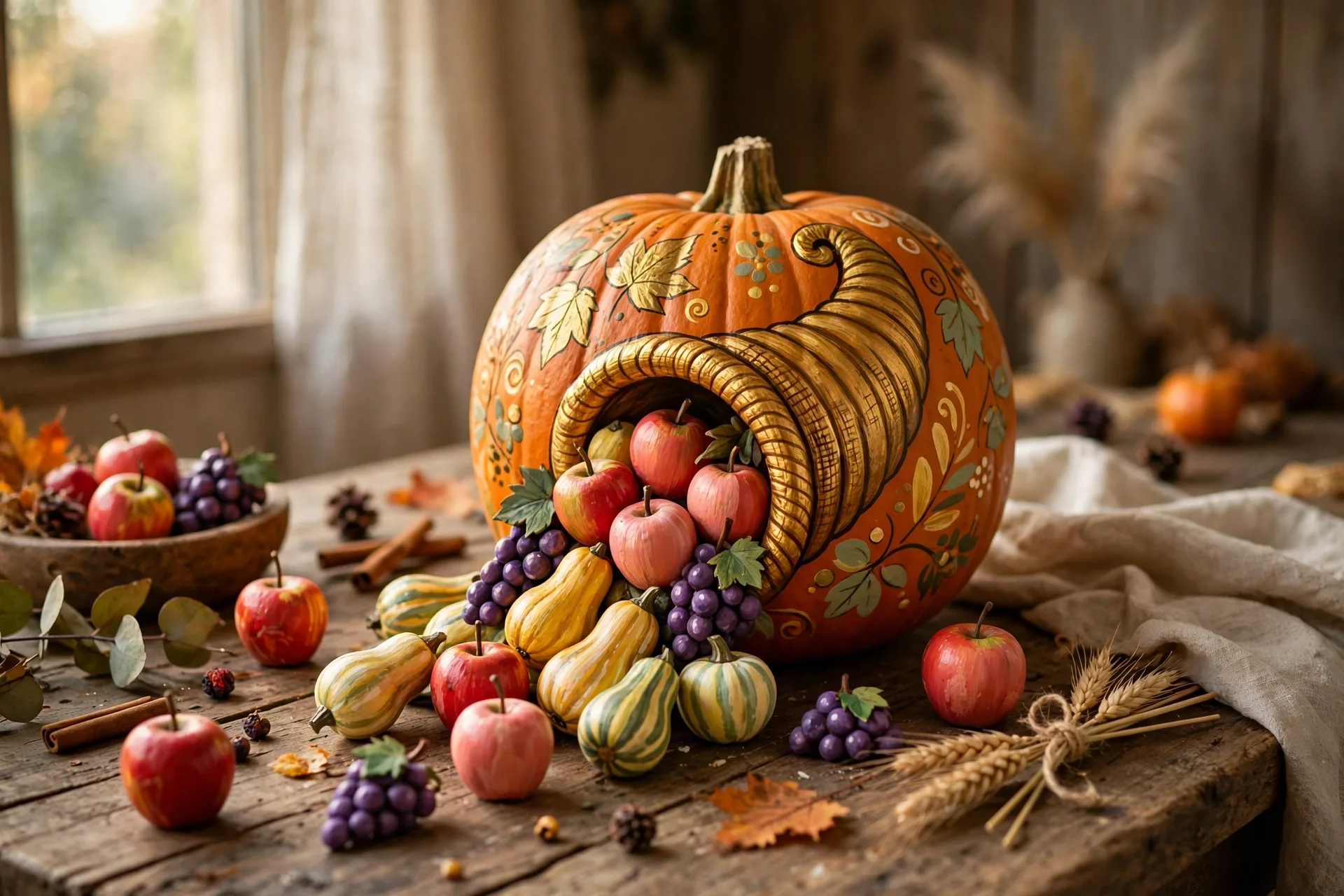
Paint a golden horn curving across the front of the pumpkin, wide end open, with painted fruit tumbling out of it: red apples, purple grapes, a little orange squash. A grown-up sketches the horn shape in chalk first, and the kids fill it in with warm colors and dot the fruit in.
It reads as abundance the moment it hits the table, which is exactly the point of a cornucopia. Set it beside the turkey pumpkin as the second centerpiece, and let the kids argue over which painted apple is theirs.
11. The Plaid Pumpkin (Grown-up led)
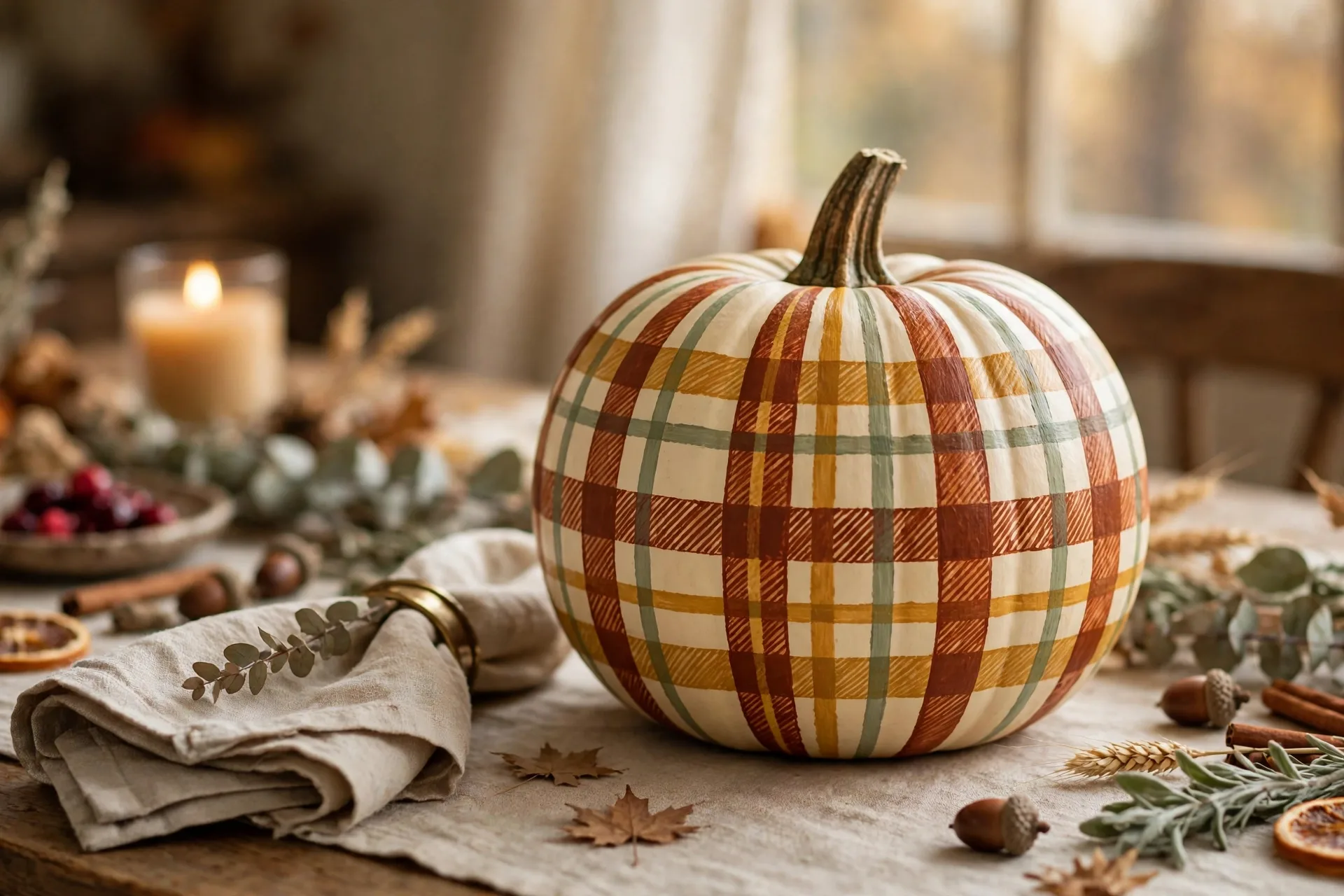
Paint the pumpkin cream and let it dry, then add the plaid: vertical bands in rust, mustard, and sage, then the same bands running horizontal so they cross into checks. Painter’s tape keeps the lines straight; peel it while the last coat is still a little tacky so the edges stay crisp.
It looks like a flannel shirt, and it pairs beautifully with the harvest ombre at the grown-up end of the table. This is a slow, satisfying paint, so give it a quiet afternoon rather than a crowded craft table.
12. The Sunflower Pumpkin (Ages 5+)
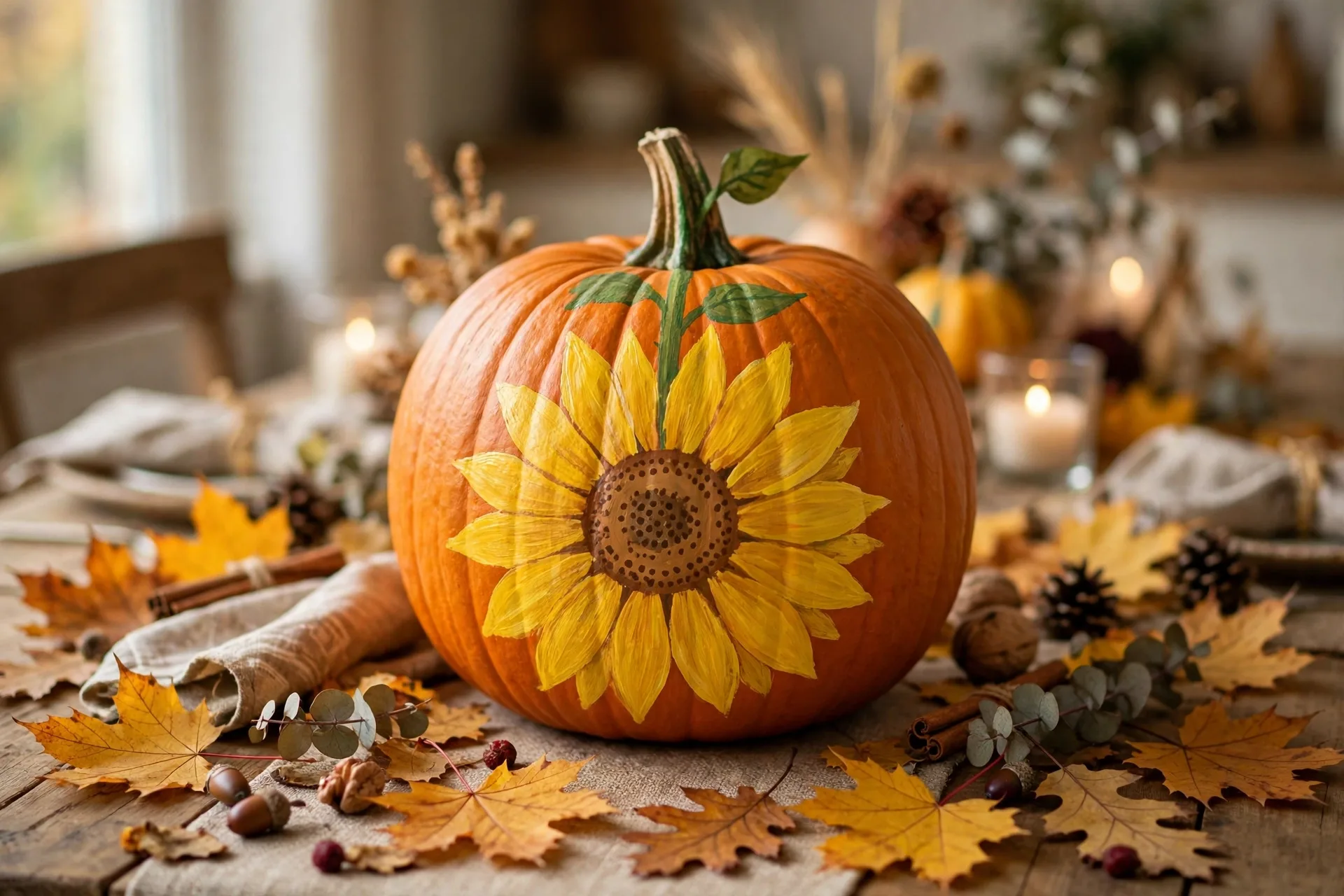
One big sunflower fills the whole front: yellow petals radiating from a brown center, with a green stem curving down toward the base. A wide brush makes the petals in a few strokes, and the center gets dotted in with a fingertip or the tip of a brush.
Kids love the big, simple shapes, and the yellow glows on an orange pumpkin just as well as on a white one. Add a painted bee on one petal if your kids insist, which they will.
13. The Acorn and Oak Leaf Pumpkin (Ages 3+)
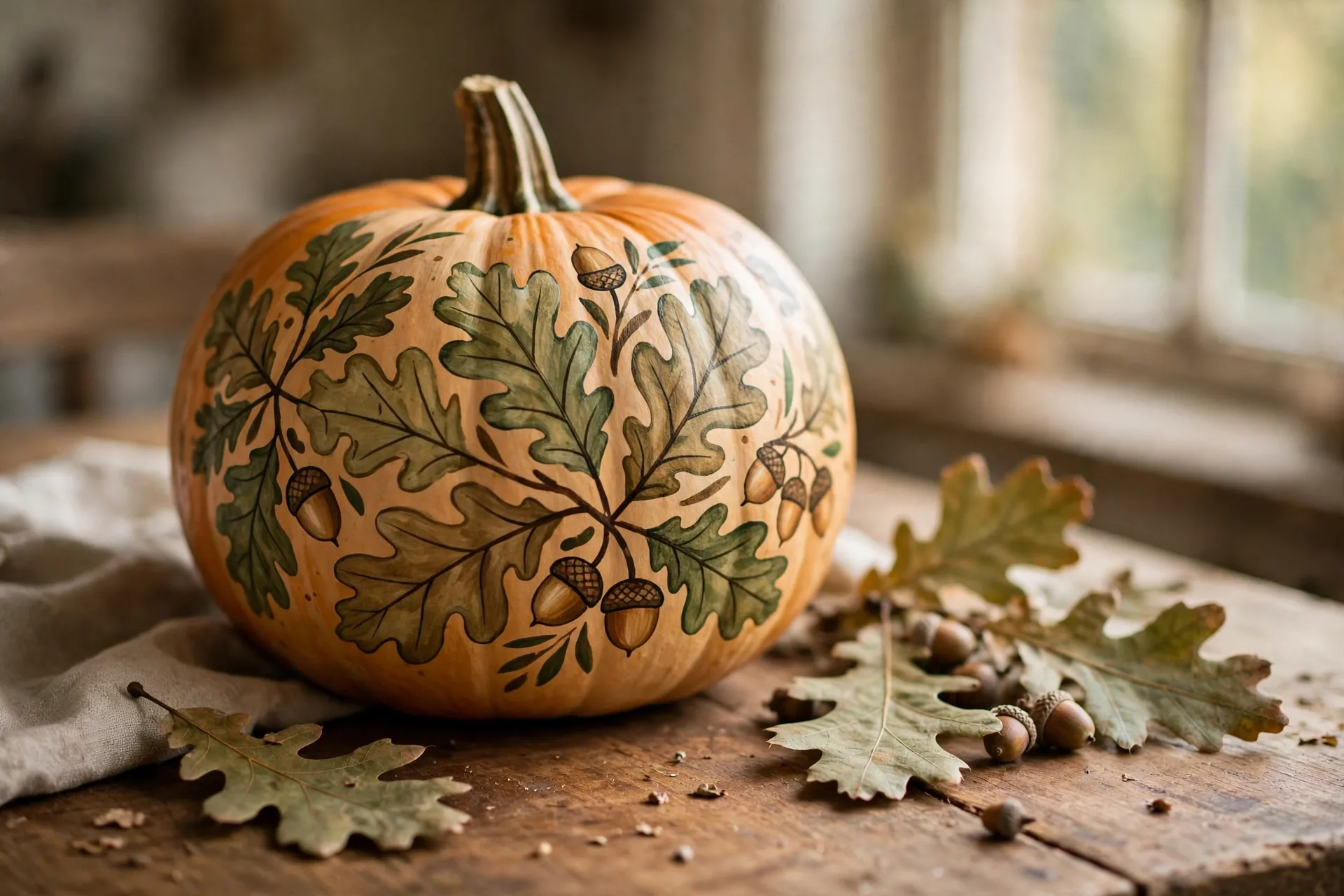
Start with a nature walk and collect real oak leaves as models, then paint them around the pumpkin in greens and browns, with little acorns tucked between: tan bodies, brown caps, a short stem line on each. Kids can stamp the leaves with a sponge or paint them freehand.
The leaf shapes are forgiving, so even a three-year-old’s wobbly oak leaf looks right. This one smells like the walk that inspired it, and it is a gentle way to teach kids to look closely at what is growing outside.
14. The “Blessed” Script Pumpkin (Ages 8+)
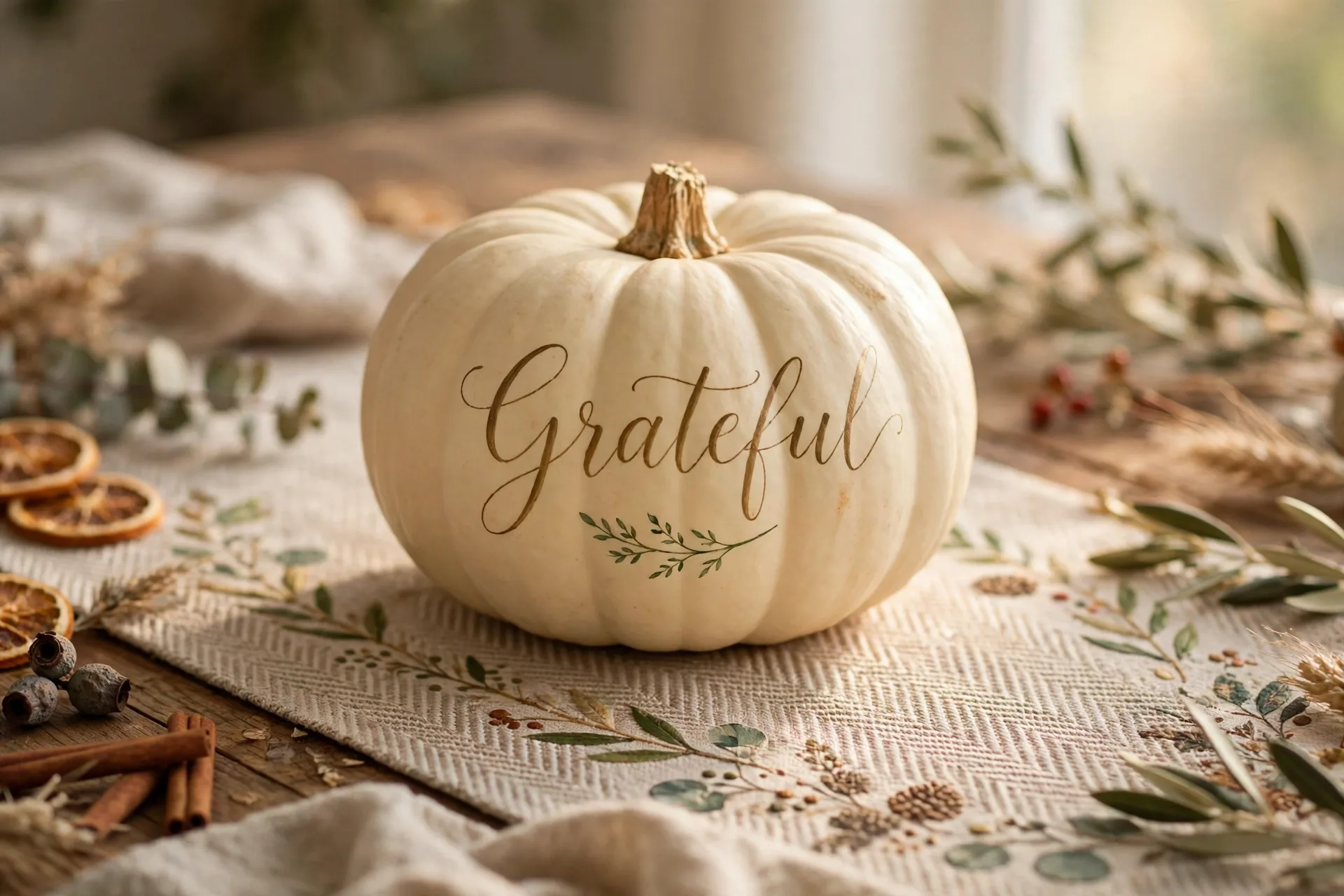
One word, “Blessed,” in flowing script across a cream pumpkin, with a small painted sprig underneath. A set of acrylic paint marker pens gives the cleanest lines for script, and practicing the word on paper first saves a lot of sighing.
ARTISTRO Acrylic Paint Marker Pens, 36 Colors
Clean lines with no water cup to spill. Script lettering needs a pen that writes like a pen, and these dry fast enough that little hands do not smear the word.
A grown-up or an older kid does the lettering, and little ones paint the sprig. It is elegant, simple, and it photographs beautifully on the table, which is why it tends to be the pumpkin guests ask about.
15. The Polka-Dot Harvest Pumpkin (Ages 2+)
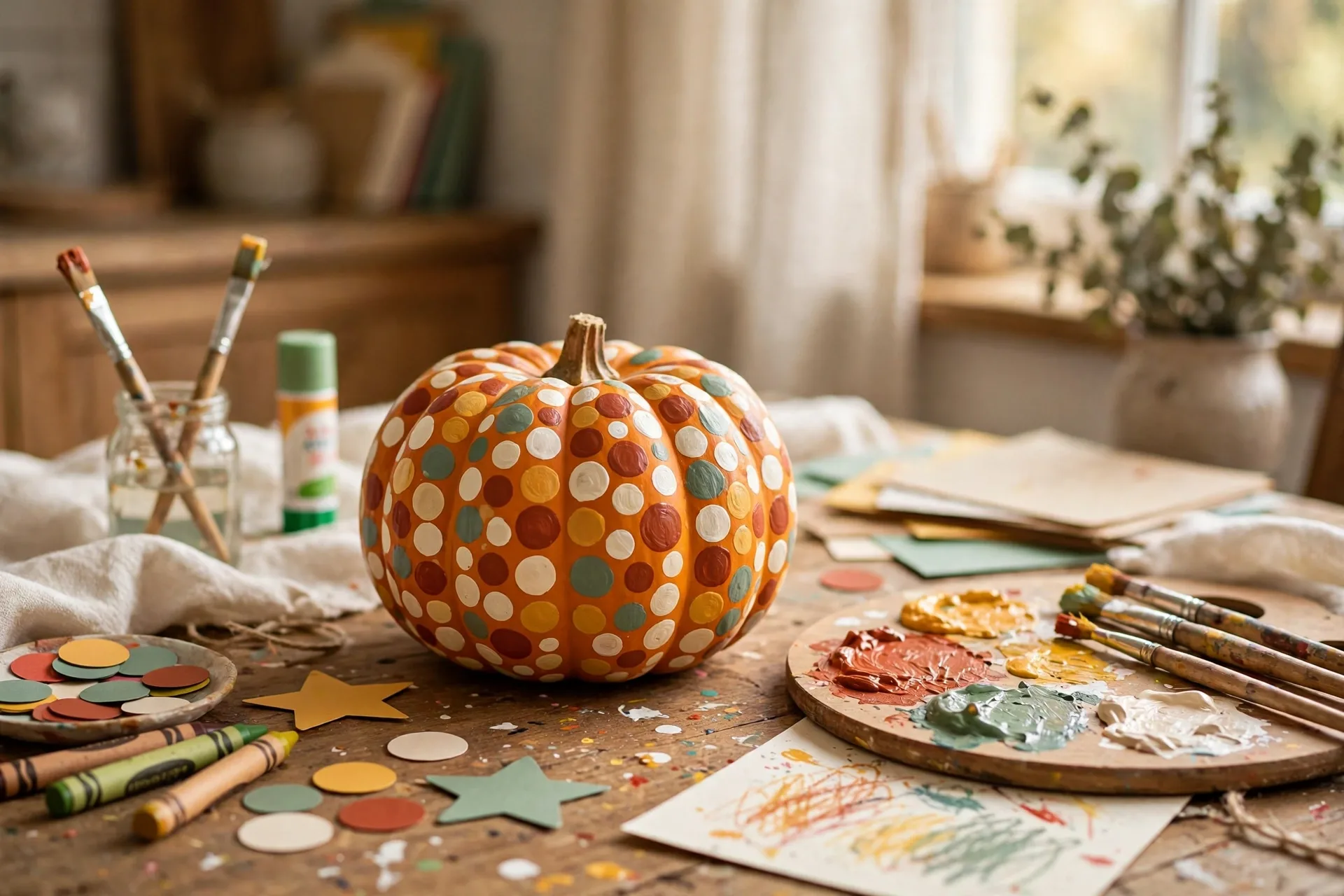
Dip fingertips or a round sponge in washable paint and cover the pumpkin in dots: rust, mustard, sage, cream. No drawing, no planning, and a two-year-old can do the whole thing start to finish.
Crayola Washable Kids’ Paint, 10 Count
Ten washable, non-toxic colors for dot-covered pumpkins. It comes off little hands with soap and water, and the dots dry fast.
Count the dots together and name the colors as you go, and it doubles as color practice. Fifteen minutes is plenty, and the result is cheerful enough to sit right in the middle of the kids’ table.
16. The Scarecrow Face Pumpkin (Ages 4+)
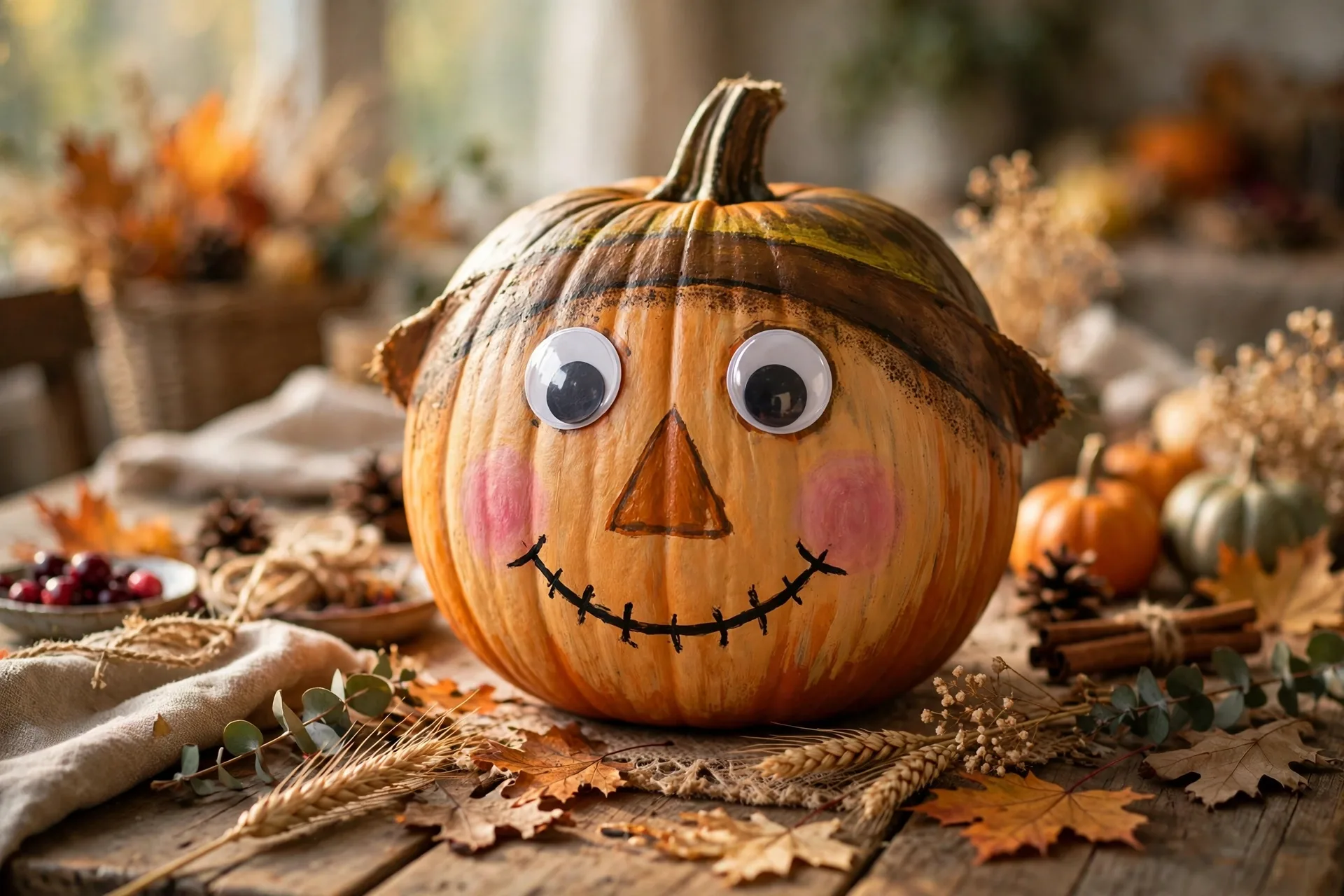
Paint a friendly scarecrow face: a triangle nose, a stitched smile drawn in paint pen, rosy cheeks, and a hat brim painted across the top. Self-adhesive googly eyes make the face funny fast for ages 3 and up; for under-3s, paint the eyes on instead.
Self-Adhesive Googly Wiggle Eyes, 520 Pieces
Self-adhesive, so no extra glue for the scarecrow face. A grown-up sticks them on for under-3s; one pack covers years of faces.
A square of plaid fabric or paper tucked under the stem becomes the hat, and a few strands of raffia at the sides make the straw hair. It is the silliest pumpkin on the table, and kids always want to give it a name.
17. The Fox Face Pumpkin (Ages 5+)
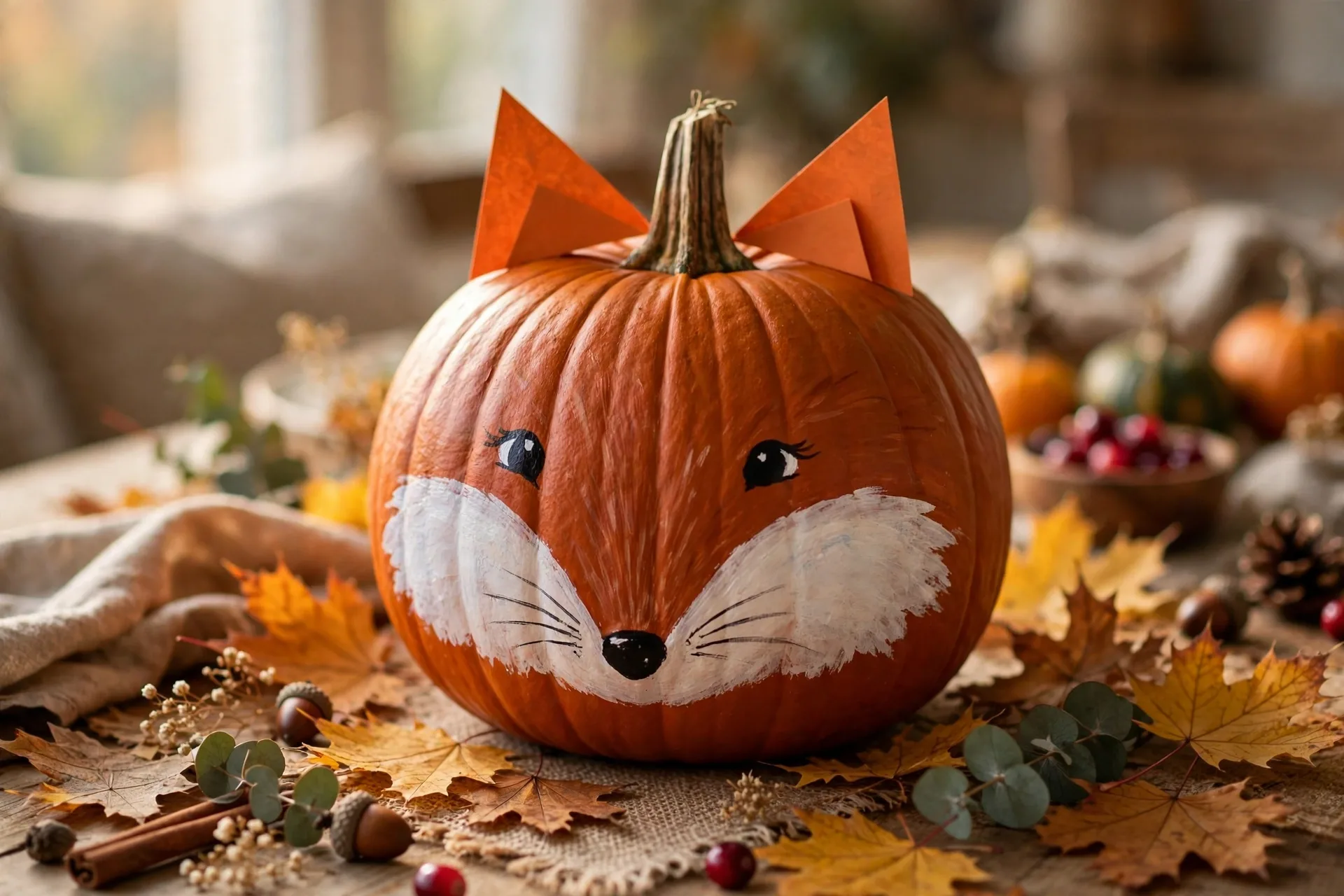
Paint the front white at the cheeks and rust-orange above, with a black nose and a dark line for the mouth. Cut two triangle ears from orange construction paper and glue or tape them behind the stem, and the fox is done.
Crayola Construction Paper, 480 Sheets
One bulk pack covers paper fox ears, hat bands, and leaf cutouts, with plenty left over for the rest of November.
Kids paint the face while a grown-up cuts the ears, and the whole thing takes about half an hour. It is one of the cutest pumpkins on the table, and it sits happily next to the owl below.
18. The Owl Face Pumpkin (Ages 5+)
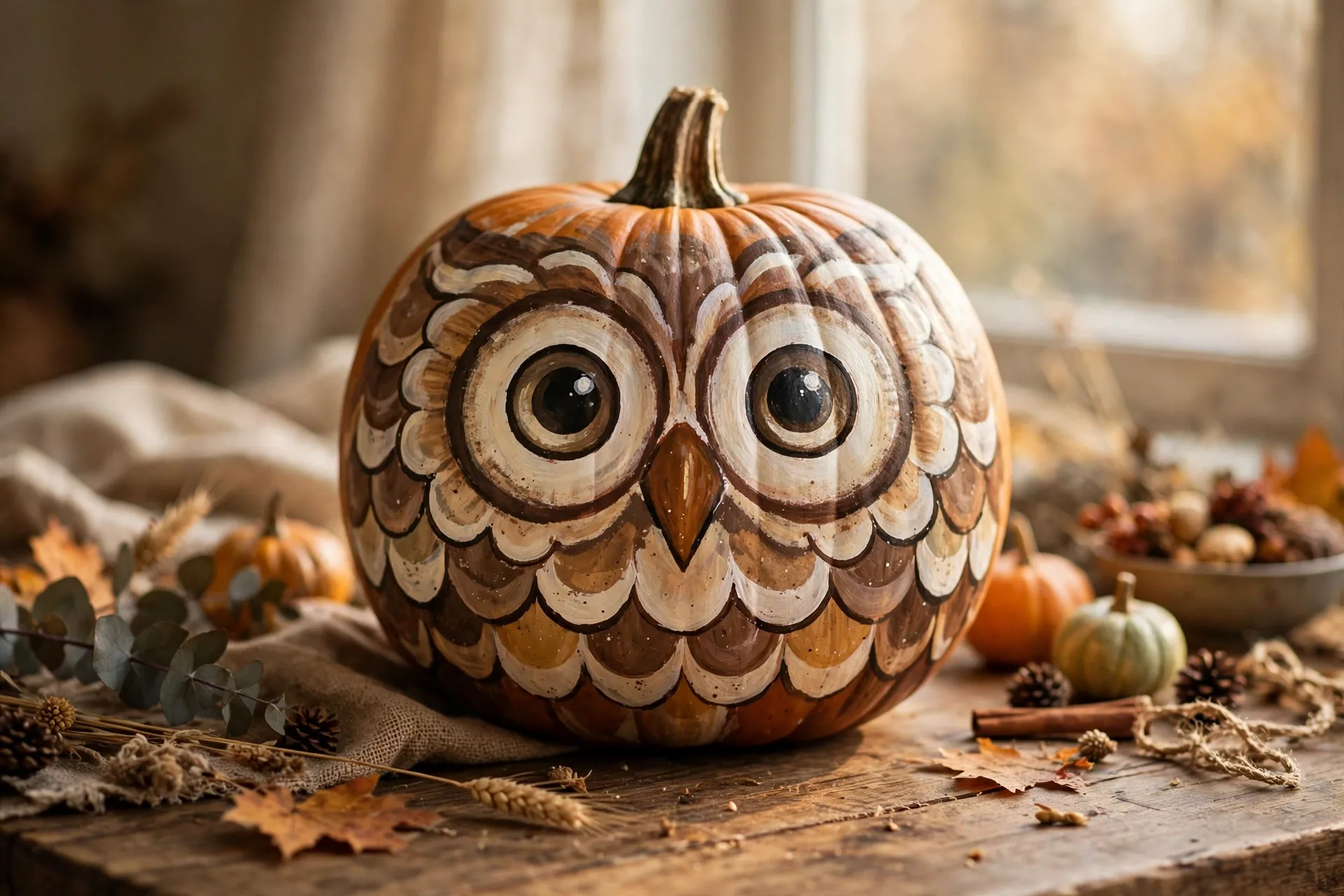
Two big round eyes, a triangle beak, and feather scallops in browns and cream. Paint the eyes white with dark pupils, then add the scalloped feather rows with the edge of a brush, working from the bottom up so each row overlaps the one below.
It is a calm, quiet design that balances the louder faces on the table, and the big eyes make it a favorite with the youngest kids. A white pumpkin makes the owl look snowy; an orange one makes it look like autumn dusk.
19. The Cranberry Garland Pumpkin (Ages 6+)
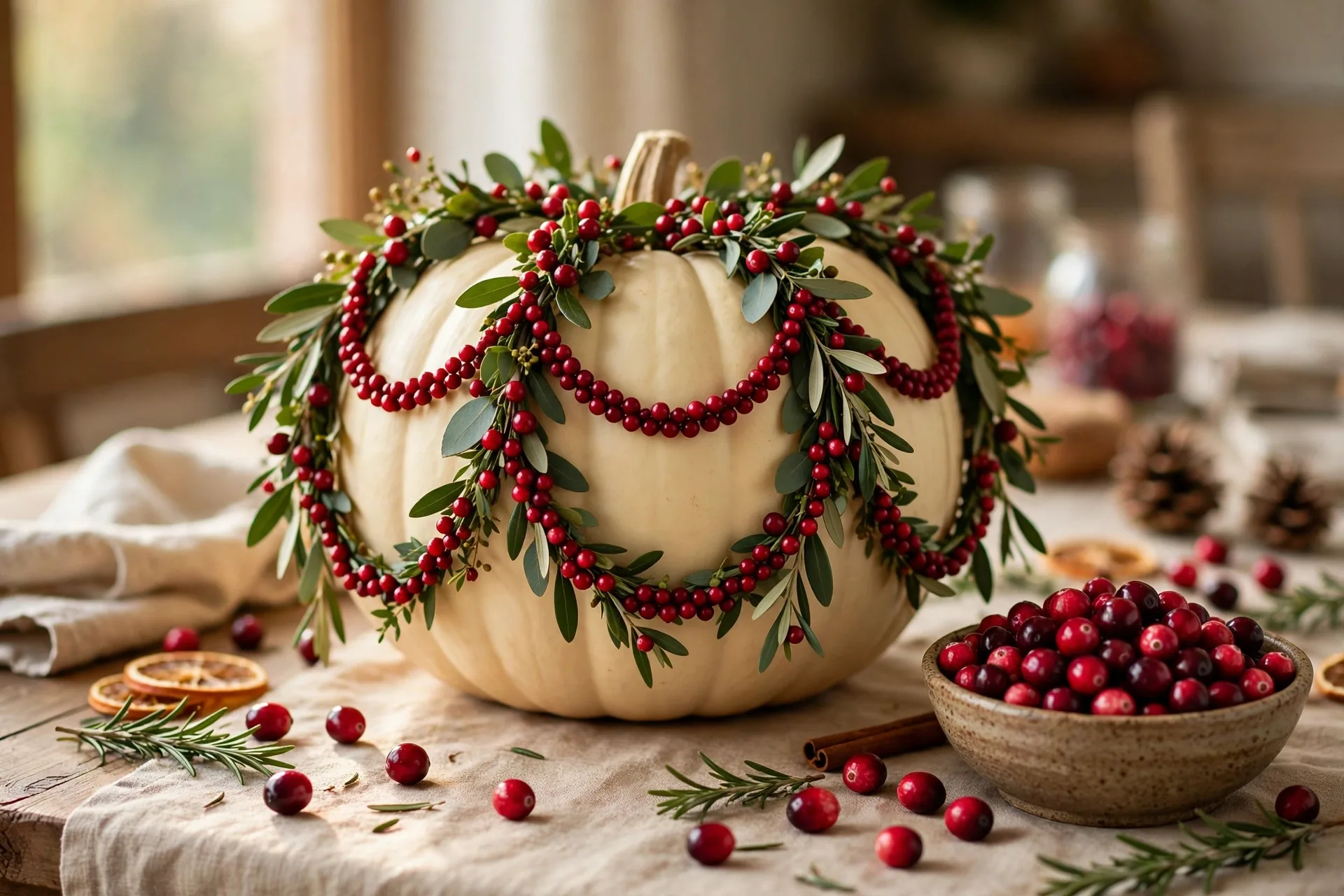
Paint swags of cranberry garland draping around the pumpkin: a curved line with red dots clustered along it, plus a few green leaves where the swags meet. It looks like the real garland on the mantel, and it is satisfying to paint because the dots forgive a wobbly hand.
Best on a white or cream pumpkin so the red pops. Older kids can add a tiny painted bow at the lowest point of each swag, and the finished pumpkin looks right at home next to the real cranberry sauce on the table.
20. The Chalkboard Pumpkin (Ages 4+)
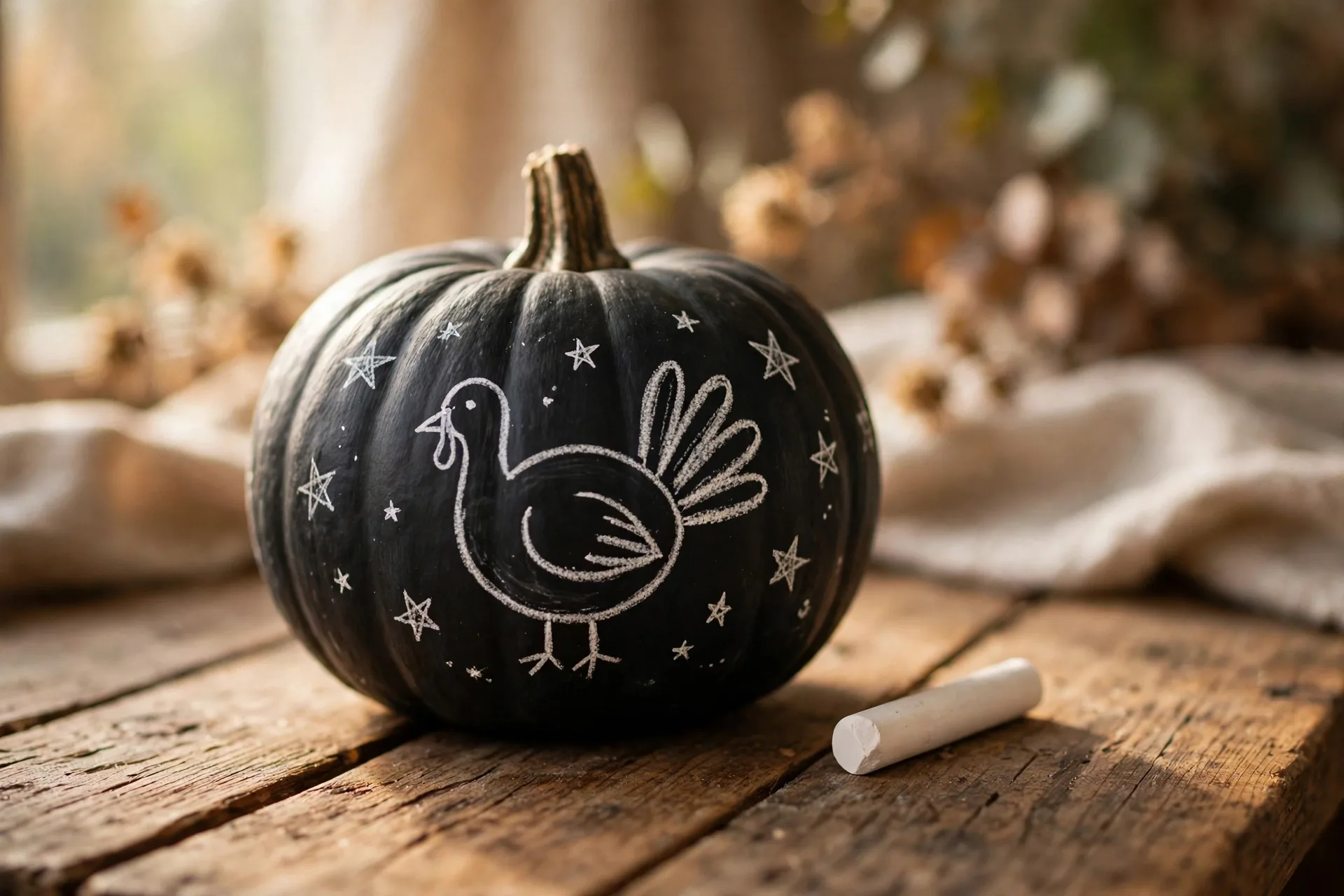
Paint a pumpkin with chalkboard paint, two coats, and let it dry overnight. Then hand the kids chalk and let them draw: a turkey one day, their names the next, a whole pumpkin patch by the weekend. A damp cloth wipes it clean, and they start over.
It is the one pumpkin that never gets boring, because it is a different pumpkin every day of November. Keep the chalk in a little cup beside it so the drawing habit sticks, and let the kids sign and date their best version before Thanksgiving dinner.
21. The Metallic Gold-Leaf Pumpkin (Grown-up led)
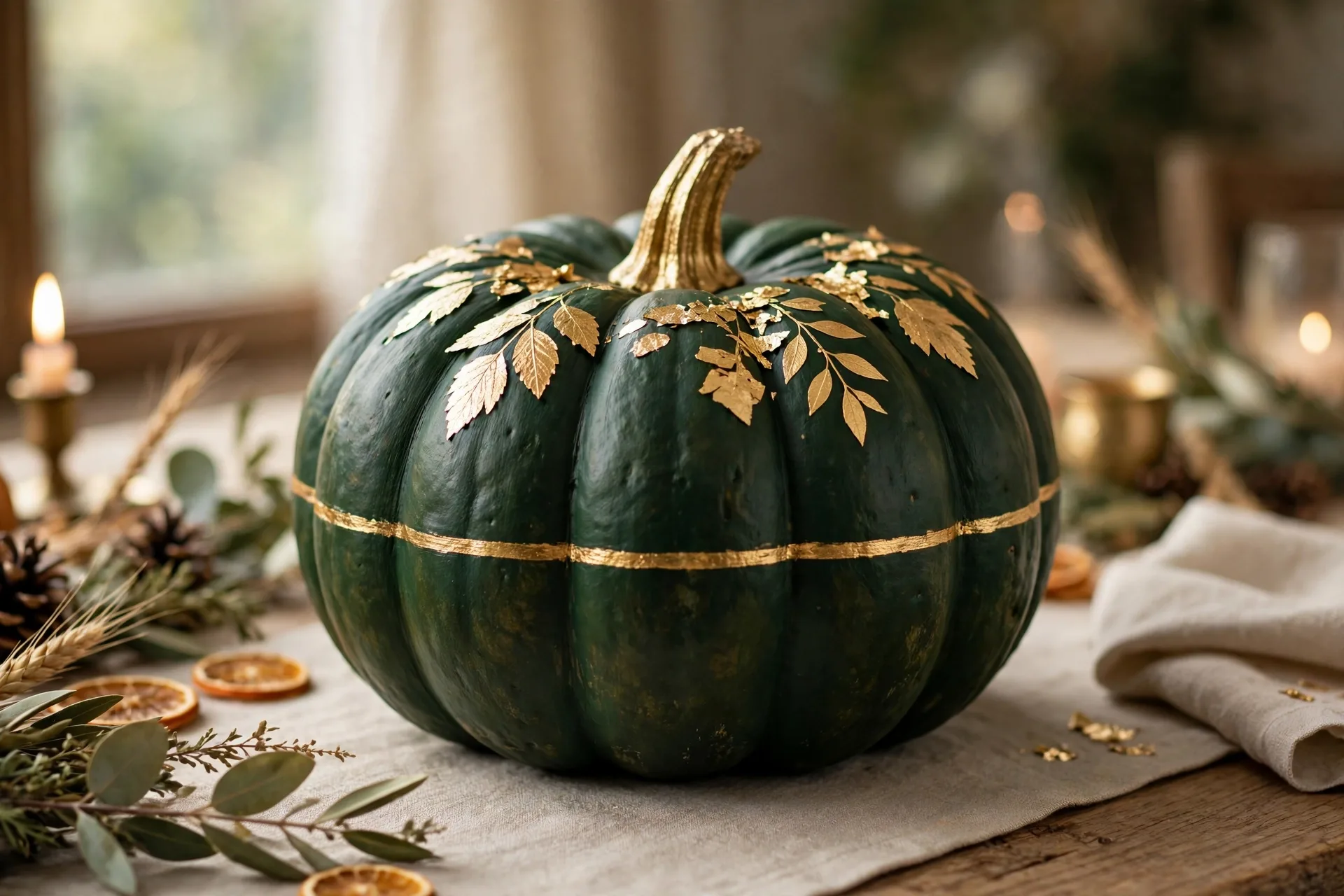
Paint the pumpkin a deep matte color, forest green or charcoal, then add gold: the stem in metallic gold paint, a few gold leaf shapes, and a thin gold band around the middle. The contrast reads expensive from across the room.
A grown-up handles the metallic paint, and kids can place gold dot accents with a fingertip once the base is dry. This is the pumpkin for the grown-up end of the table, next to the ombre, and it is the one guests assume came from a store.
22. The Harvest Moon Pumpkin (Ages 6+)

Paint the top half deep navy and the bottom half warm cream, with a big gold moon and tiny stars on the navy. The moon is a circle of gold paint with a few darker craters dabbed in, and the stars are just the tip of a brush pressed lightly, over and over.
It is a lovely evening-table piece that glows beside the candle-holder minis once the lights go low. Kids love the moon most, so let them paint it, and let a grown-up tidy the line where the navy meets the cream.
23. The Pumpkin Patch Scene Pumpkin (Ages 7+)
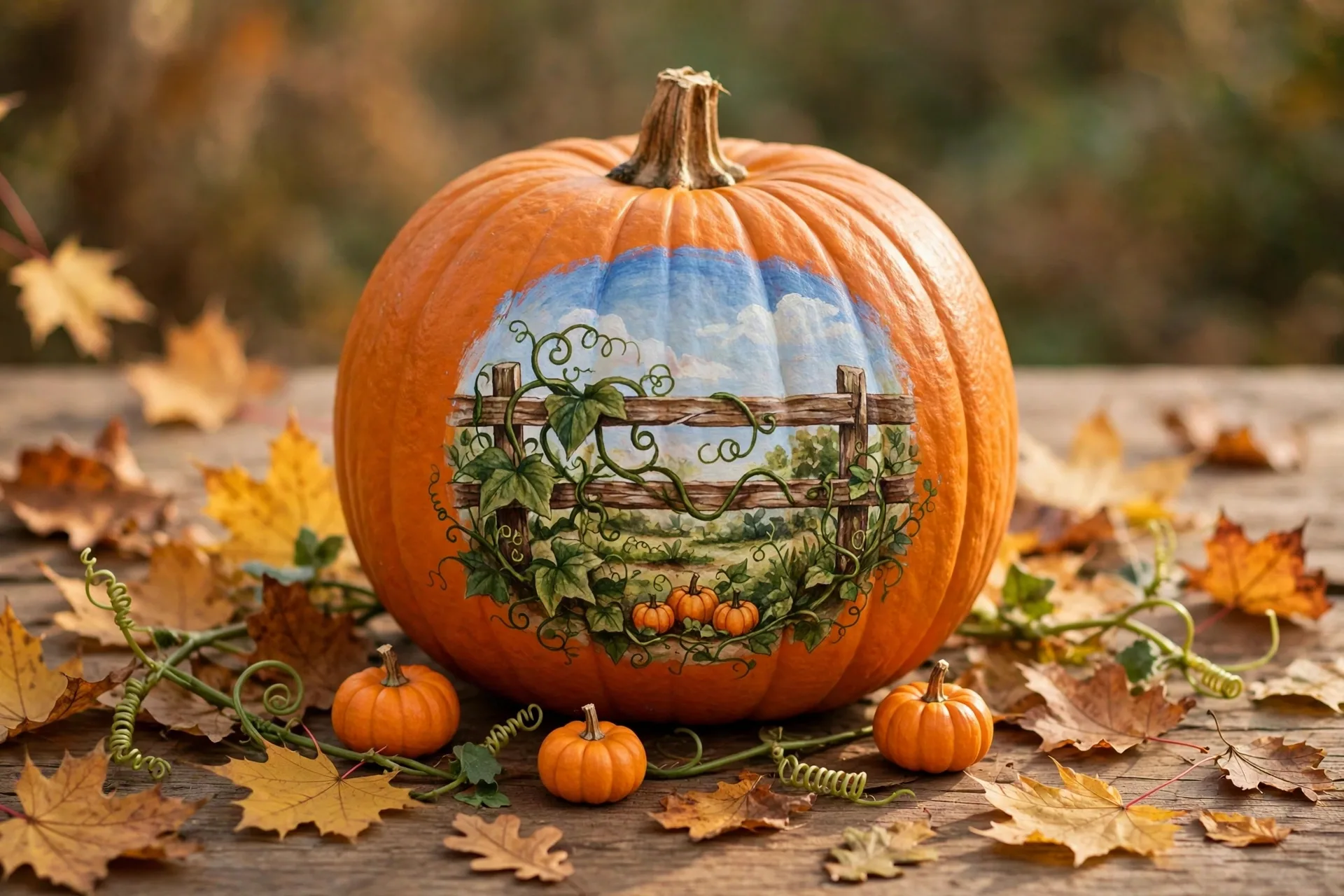
Paint a little scene right around the pumpkin: a fence line, curly vines, three tiny pumpkins at the base, and a band of blue sky at the top. Older kids love the storytelling in this one, and each one invents a different patch.
It takes the longest of the scene ideas, so start it on a weekend afternoon and let the layers dry between steps. The fence goes on first, the vines next, and the tiny pumpkins last, so the scene builds like a real picture.
24. The Sweater-Knit Pumpkin (Ages 8+)

Paint a cable-knit sweater pattern: vertical braided cables in cream on a rust or sage pumpkin, using a thin brush and a steady hand. It looks cozy and handmade, like the pumpkin is wearing its favorite sweater.
A grown-up or older kid job, but the pattern is just repeated V shapes, so once the first cable clicks, the rest flow. Mark the cable lines lightly in chalk first, and keep the brushstrokes going the same direction so the knit reads as one piece.
25. The Monogram Pumpkin (Ages 6+)
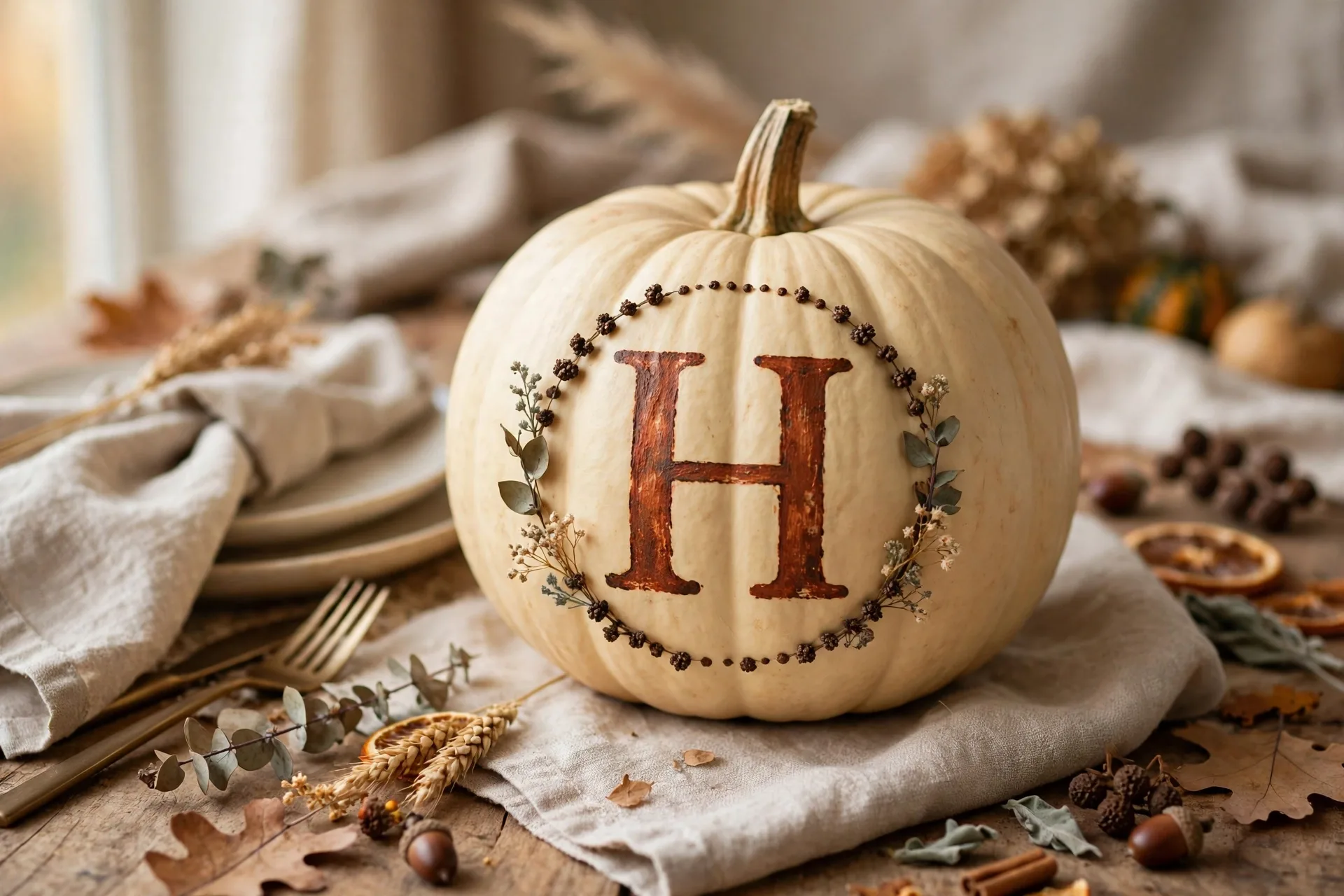
One big family initial in the center, painted in a contrasting color, with a small wreath of dots around it. A paint pen keeps the edges crisp, and a paper stencil helps younger kids place the letter straight.
ARTISTRO Acrylic Paint Marker Pens, 36 Colors
Crisp edges for a big initial, with no water cup to knock over. One pen does the whole monogram, and the lettering dries fast.
Each family member can monogram their own mini pumpkin for their place setting, so the table ends up with a matching set. The initial is the whole design, so pick a color that pops against the pumpkin, rust on cream or cream on orange.
26. The Fall Wreath Pumpkin (Ages 4+)
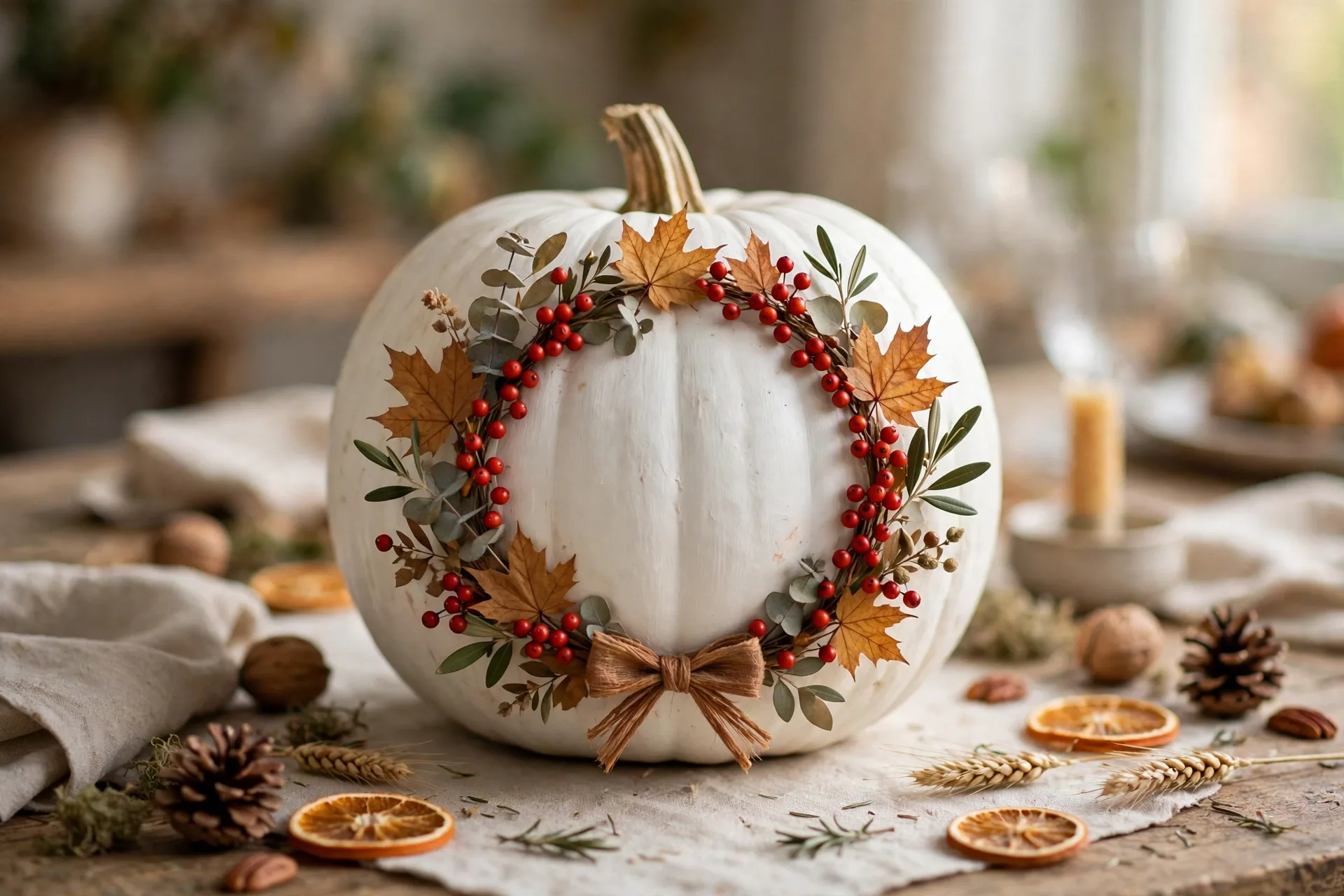
Paint a ring of leaves and berries circling the front of the pumpkin like a wreath, with a small bow at the bottom. Alternate leaf shapes and colors so the ring feels full, and tuck a few red berry dots between the leaves.
A white pumpkin makes the wreath pop; an orange one makes it feel like autumn itself. Kids can paint one leaf at a time around the ring, which makes it a calm, slow craft for a rainy afternoon.
27. The Pilgrim Hat Pumpkin (Ages 3+)
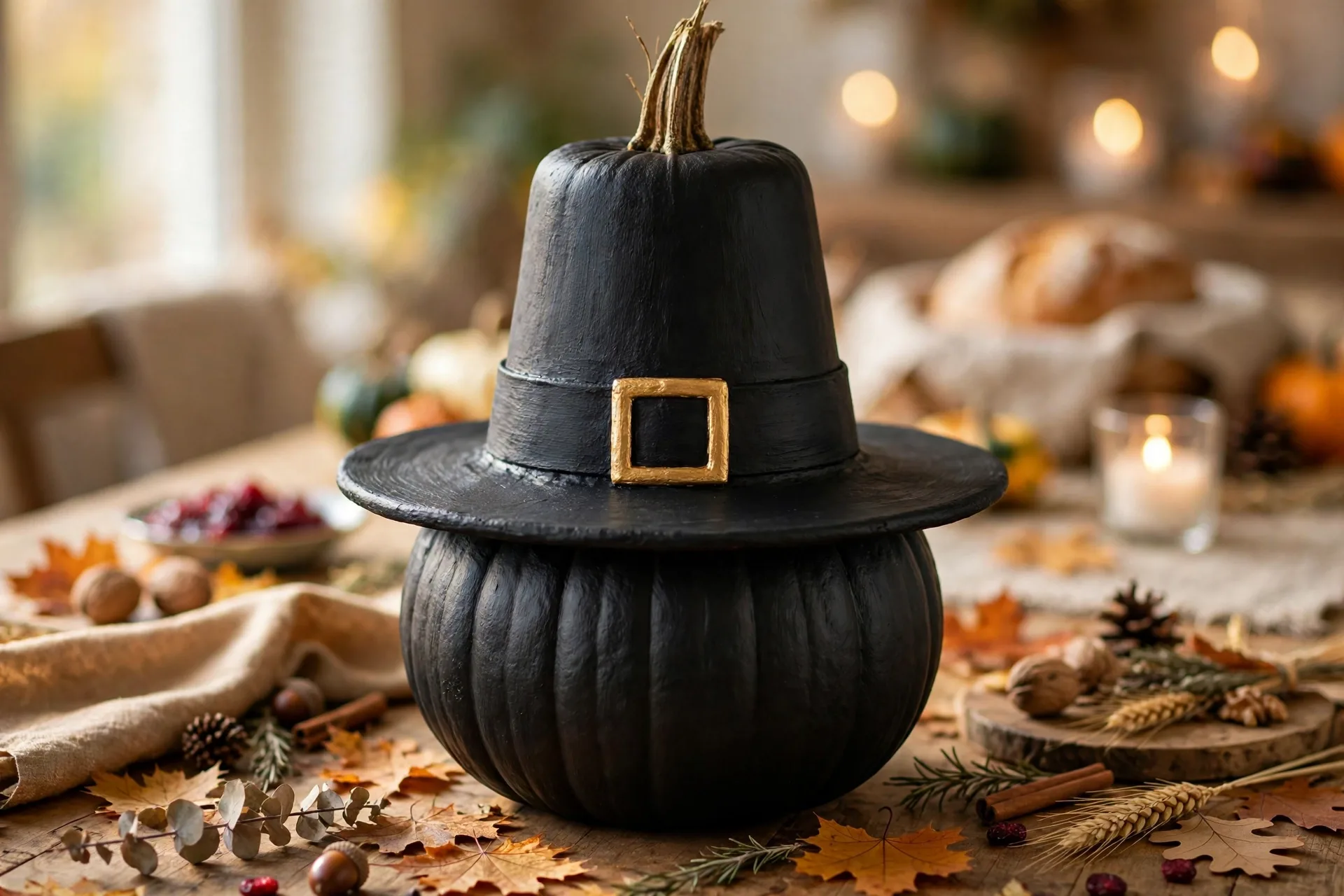
Paint the top of the pumpkin black as a tall hat, with a wide brim band and a gold buckle square at the front. Cut the band and buckle from black and gold construction paper if you would rather glue than paint, and the stem pokes through the top of the hat like a feather holder.
Crayola Construction Paper, 480 Sheets
One bulk pack covers the pilgrim hat band and buckle, paper leaves, and name tags, with plenty left over for the rest of November.
Simple shapes, big impact, and the buckle is the part kids always want to paint. Pair it with the turkey pumpkin and the table starts to tell the whole Thanksgiving story.
28. The Three Sisters Pumpkin (Ages 7+)
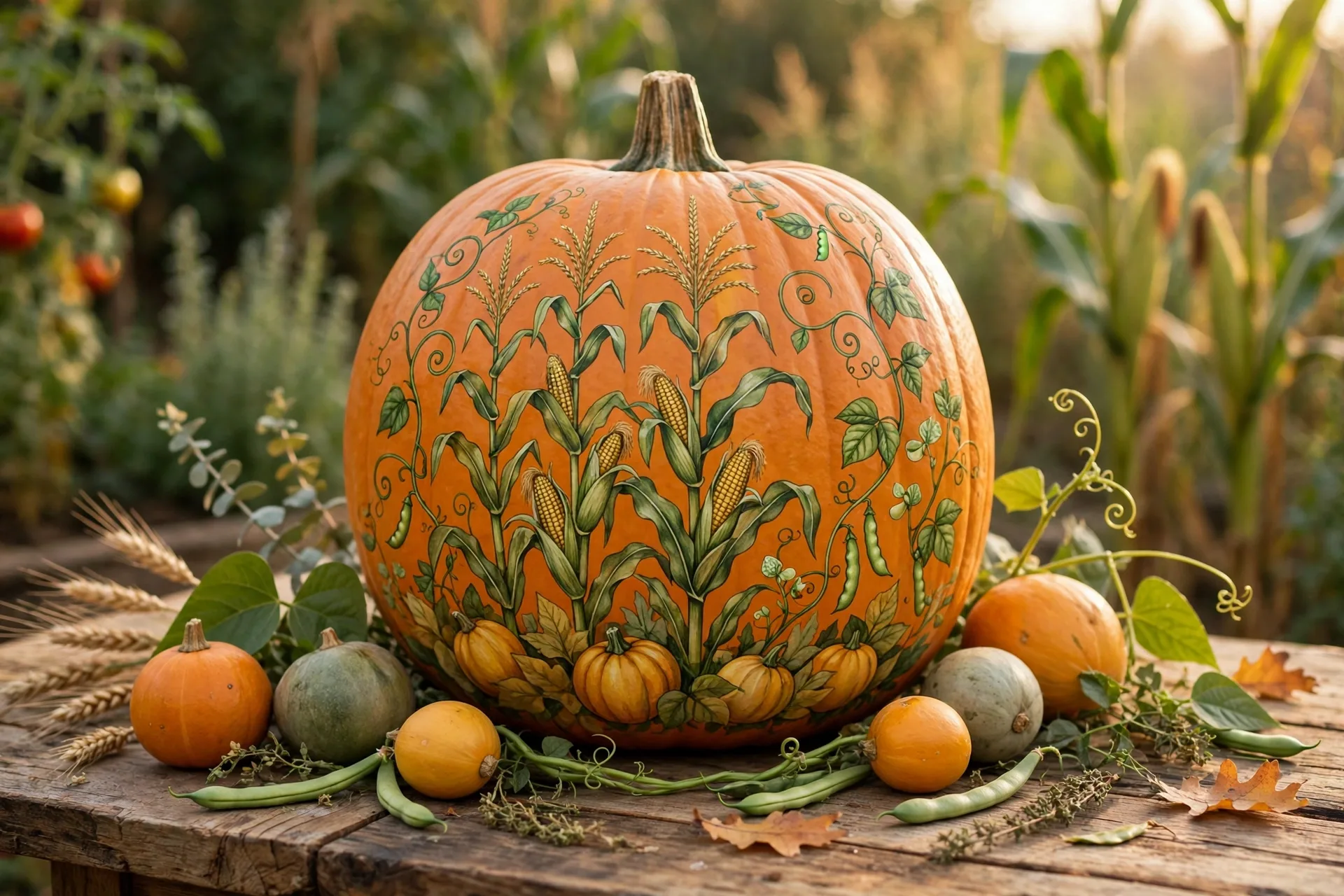
Paint corn, beans, and squash winding around the pumpkin: tall corn stalks, bean vines curling between them, and round squash at the base. These three crops were grown together for centuries, each one helping the others, and the design tells that story.
A grown-up sketches the layout in chalk first, tall stalks at the back and squash low at the front, and kids fill in the colors. It is a gentle way to talk about how food grows while the painting dries.
29. The Candy Corn Stripe Pumpkin (Ages 3+)
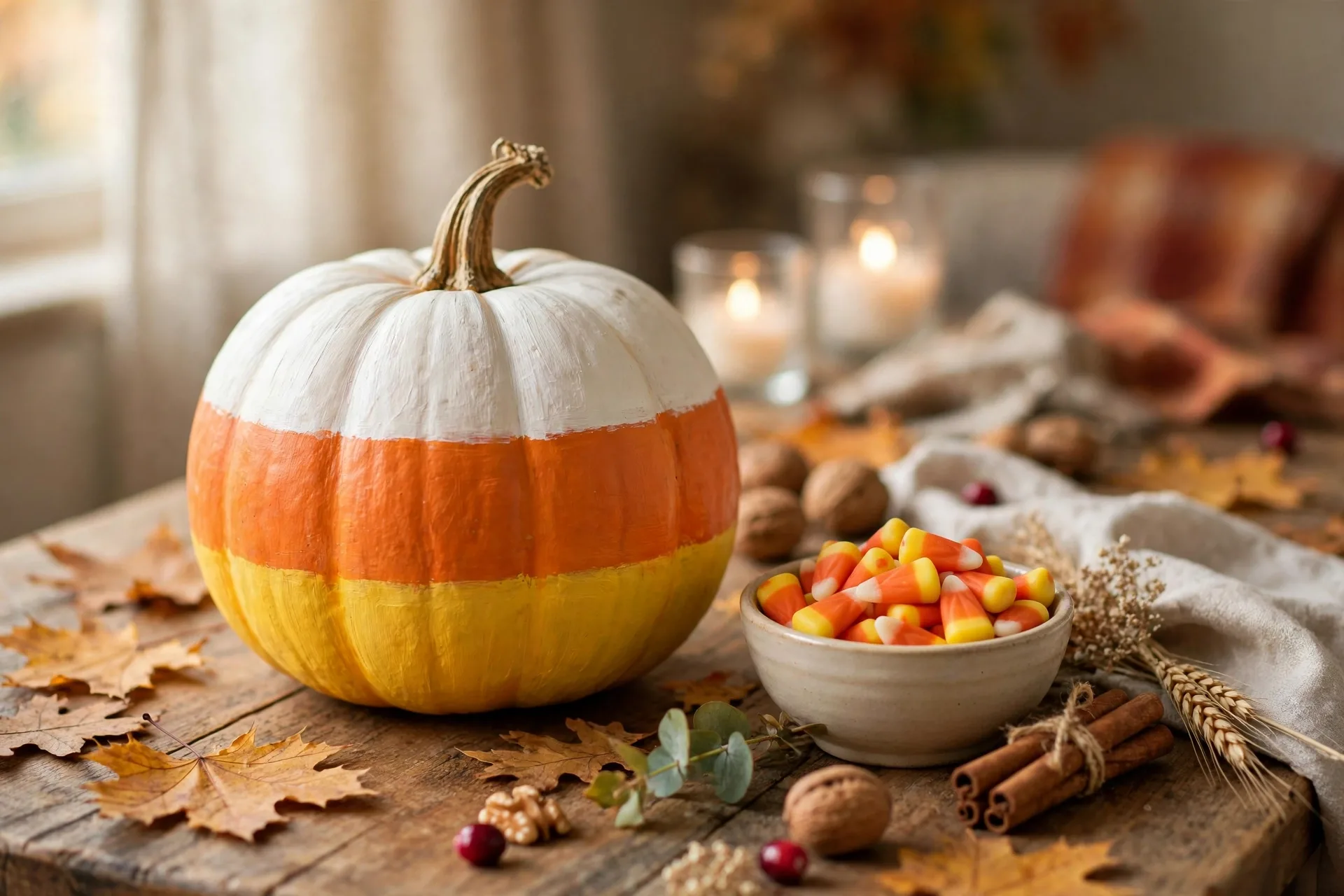
Paint horizontal stripes in candy corn order: white at the top, orange in the middle, yellow at the base. Load a wide brush with washable paint and use painter’s tape for the edges so the stripes stay straight.
Crayola Washable Kids’ Paint, 10 Count
Ten washable colors for bold stripes. A wide brush loads the stripes evenly, and it all washes off hands with soap and water.
The sweetest-looking pumpkin on the table, and one of the easiest for little hands, since stripes need no drawing at all. Line up three of them in a row and they look like a whole bag of candy corn.
30. The Gratitude Tree Pumpkin (Ages 5+)
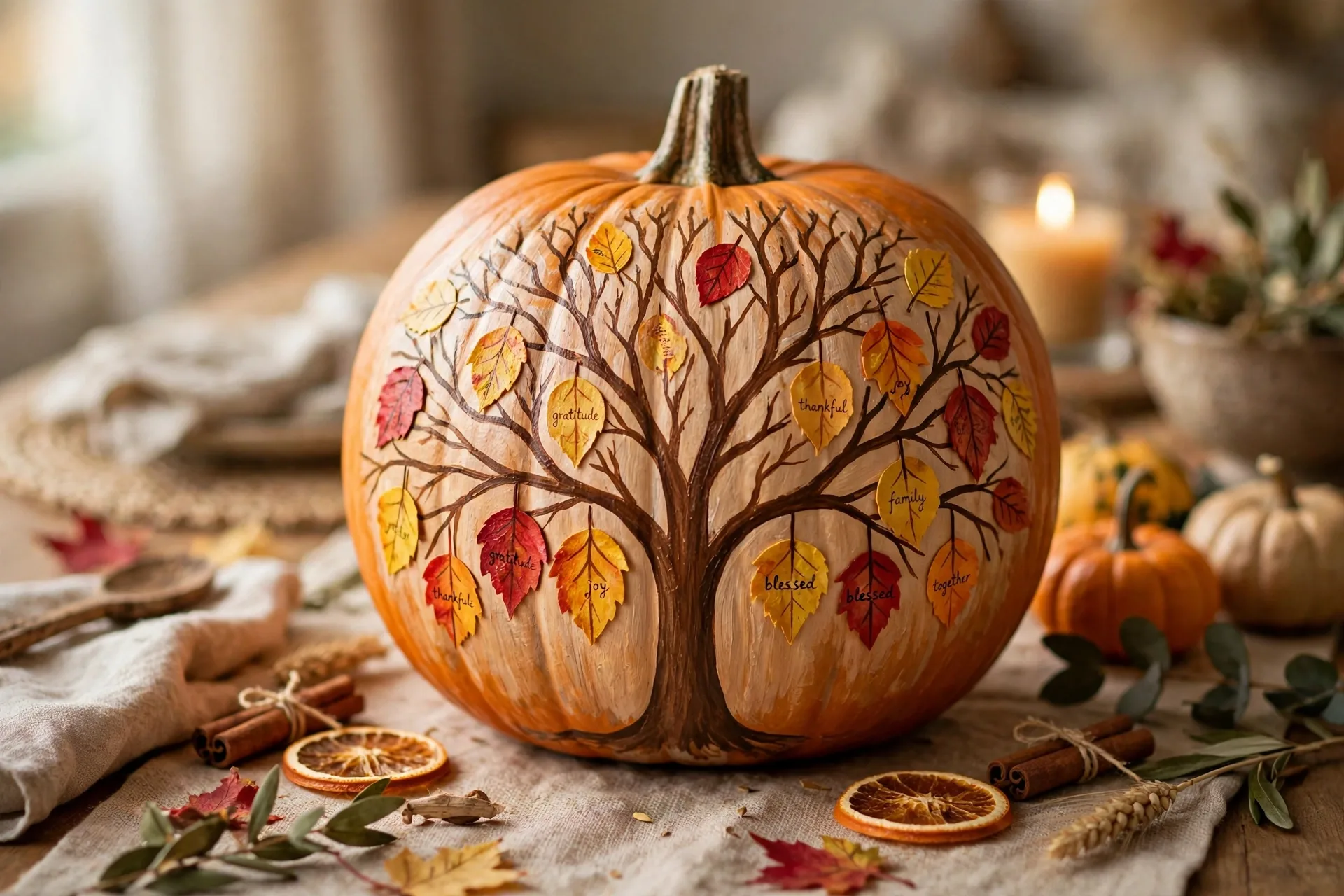
Paint a bare tree with spreading branches, then add a painted leaf for each thing the family is thankful for, with the word written on the leaf in a paint pen. Add leaves all month, just like the thankful pumpkin.
ARTISTRO Acrylic Paint Marker Pens, 36 Colors
Small enough to write a word on a single painted leaf, with clean lines and fast drying so the leaves do not smudge.
By dinner the tree is full, and every leaf is a story. It is the thankful pumpkin’s prettier cousin, and the two sit beautifully together as a pair on the table.
31. The Family Handprint Pumpkin (Ages 2+)
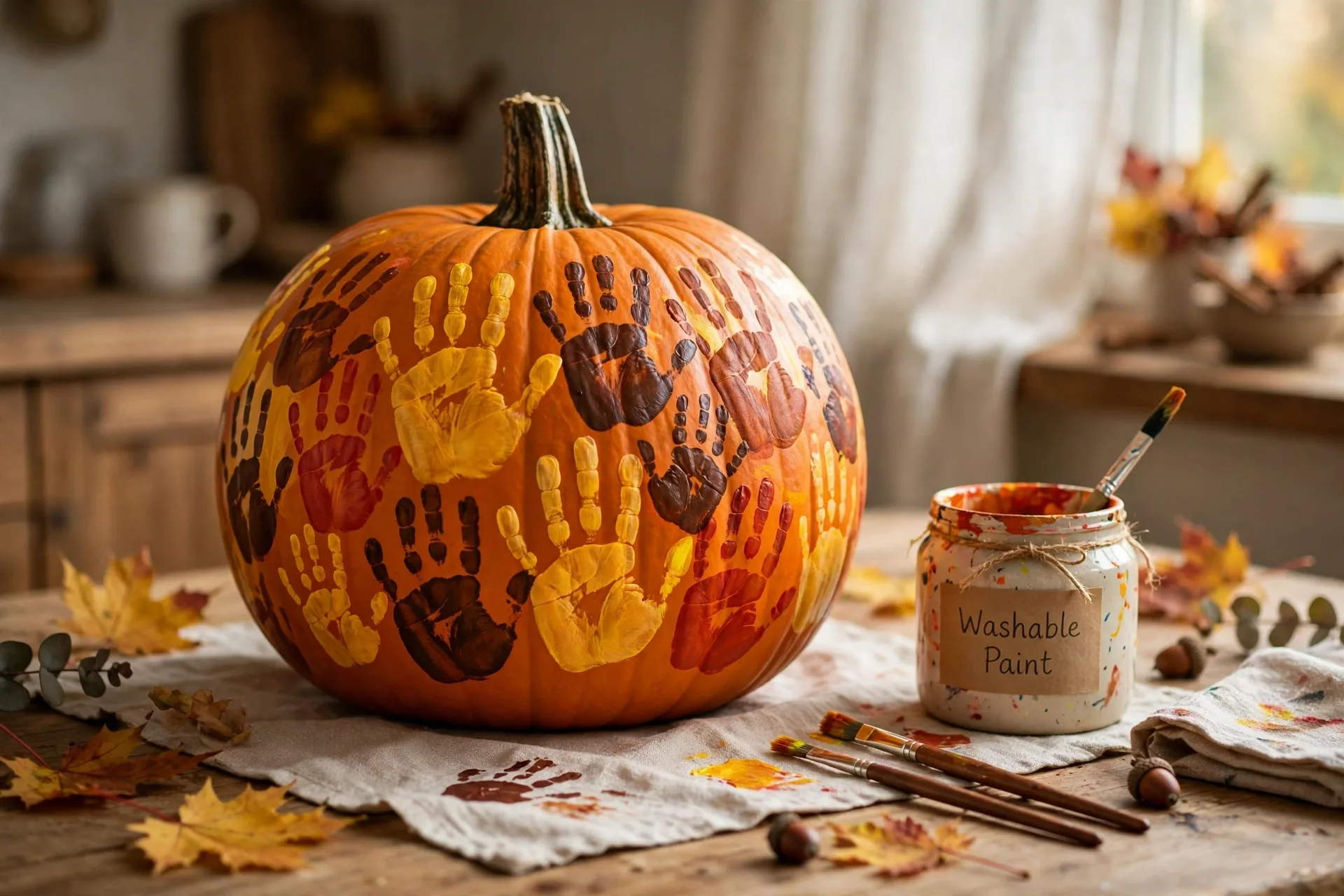
Each family member presses a hand painted in washable paint onto the pumpkin in a different fall color, with their name and the year written beside it in paint pen. The two-year-old’s tiny print next to Dad’s big one is the keepsake.
Crayola Washable Kids’ Paint, 10 Count
Ten washable, non-toxic colors for handprints. It comes off little hands with soap and water, which matters when the whole family is printing at once.
Use washable paint so little hands clean up fast, and seal it with a grown-up varnish coat if you want to keep it. Date it every year, and in five years you will have a shelf of pumpkins that shows exactly how fast everyone grew.
Keeping Them Pretty Through Thanksgiving
Painted pumpkins last much longer than carved ones, because the skin is intact. A few honest rules:
Real vs faux. Real pumpkins are cheapest and best for crafts the kids will make once. Faux craft pumpkins cost more up front but take paint directly, survive outdoors longer, and can be lightly sanded and repainted next November. For the keepsake ideas (the ombre, the trio), faux is the better investment.
Timing. Paint real pumpkins in late October so they are still firm through Thanksgiving dinner. A sealed real pumpkin bought firm and undamaged holds through late November; faux pumpkins can be painted any time at all.
Where they sit. Washable paint runs if the pumpkin gets wet, so keep washable-painted pumpkins indoors or under a porch roof. Acrylic paint is water-resistant once dry. Bring real pumpkins in on frosty nights; frost softens the flesh and ruins the paint job with it.
Sealing. One or two thin coats of clear craft varnish (matte or satin) once the paint is fully dry protects the design and stops peeling. Sealers are a grown-up, outdoors-only step.
Shop This Post
Everything used in these 31 crafts, in one place:
| Product | Used For | Price |
|---|---|---|
| ARTISTRO Acrylic Paint Marker Pens, 36 Colors |
Lettering on the thankful pumpkin, place cards, and trio | Check Price |
| Crayola Washable Kids’ Paint, 10 Count |
Every pumpkin a toddler touches: leaf prints, fingerprint dots | Check Price |
| Self-Adhesive Googly Wiggle Eyes, 520 Pieces |
Turkey pumpkin face (grown-up applies for under-3s) | Check Price |
| Crayola Construction Paper, 480 Sheets |
Turkey feather fan, paper leaves, place-card name tags | Check Price |
| Flameless LED Tea Light Candles |
Glow inside the mini candle-holder pumpkins, no open flame | Check Price |
Frequently Asked Questions
What paint is best for painting pumpkins with kids?
Washable tempera paint for toddlers and preschoolers, because it cleans up with soap and water. Acrylic craft paint for ages 5 and up and for designs you want to keep, since it is water-resistant once dry. Acrylic paint pens for lettering and fine details.
Will washable paint stay on a pumpkin?
Yes, indoors and dry. It runs if the pumpkin gets wet, so display washable-painted pumpkins inside or under a covered porch, not in the rain.
Should I use real or faux pumpkins?
Real pumpkins are cheapest and best for one-time kid crafts. Faux craft pumpkins take paint well, survive outdoors longer, and can be sanded and repainted next November, so use them for the keepsake designs.
How early can I paint pumpkins for Thanksgiving?
Faux pumpkins can be painted any time. Paint real pumpkins in late October so they are still firm through Thanksgiving dinner; a sealed real pumpkin bought firm and undamaged holds through late November.
What is the easiest Thanksgiving painted pumpkin for a beginner?
The thankful pumpkin: a base coat, one paint pen, and a family writing a word a day. No painting skill at all, and it becomes the centerpiece by dinner.
Start With the Thankful Pumpkin Tonight
Pick up one cream pumpkin, one paint pen, and tonight everyone writes their first word. The turkey can wait for the weekend. Happy Thanksgiving, mama.