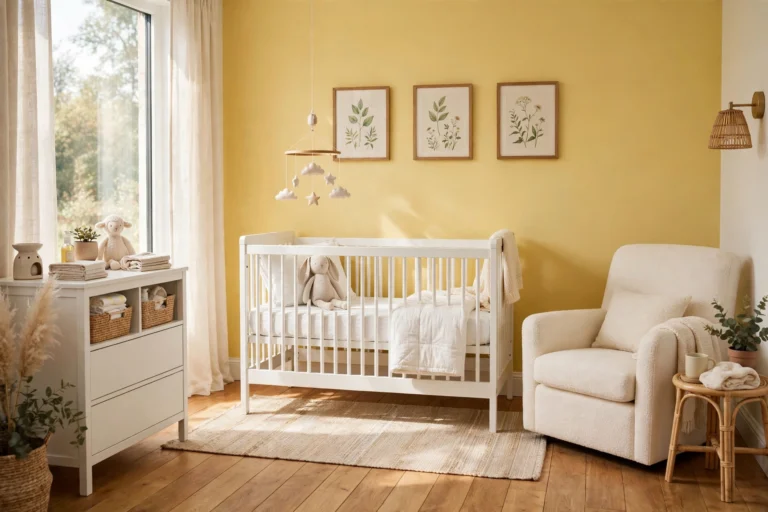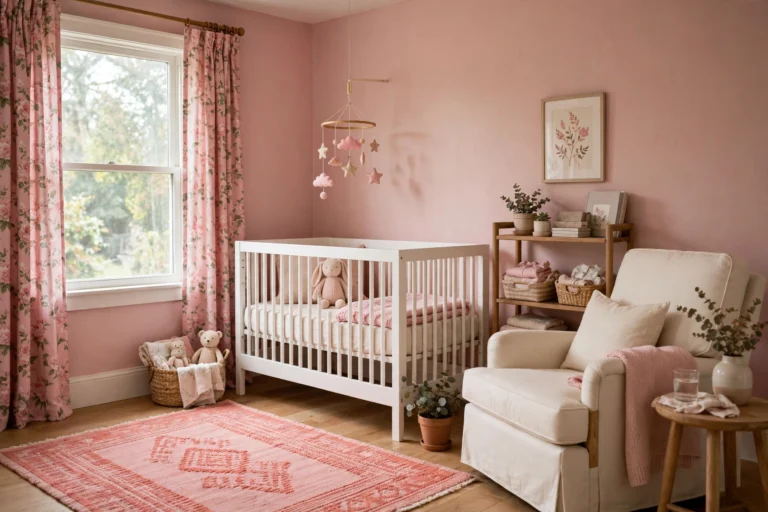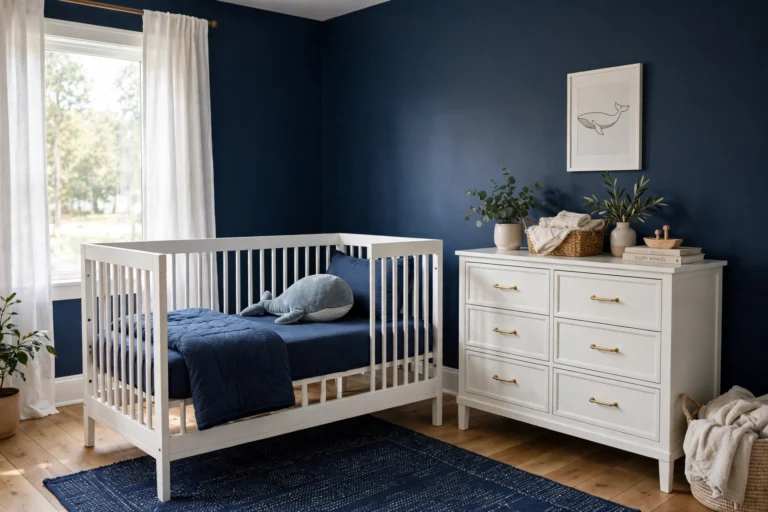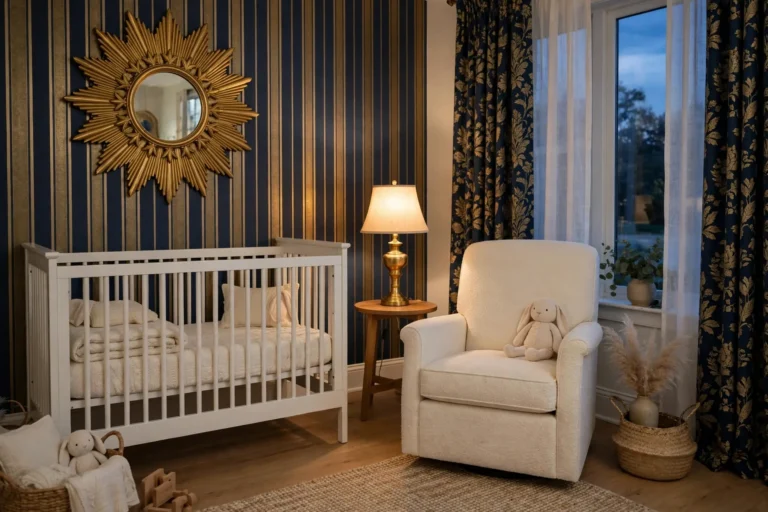
Which Room Should Be the Nursery? 7 Things to Consider
Picking the nursery room feels like the first big decision of the whole baby setup, and it shapes every decision after it. The room you choose decides how far you walk at 3am, how dark naps can get, how hot the room runs in July, and whether the crib, the glider, and the changing spot all fit.
When we set up our nursery, we picked the wrong room first. It looked perfect in photos, with a big window and pale walls, but it sat over the garage, ran cold at night, and caught the afternoon sun right where the crib would go. We moved the whole room before the baby arrived, and the second room was smaller, quieter, and far easier to live in.
These 7 things to consider are the test I wish we had used the first time. Work through them in order, and the best room in your house will pick itself. Our Nursery Ideas guide has the room layout this guide is built on.
Heads up: this post contains affiliate links. If you buy through them, MamaKinder may earn a small commission at no extra cost to you, and it helps keep these guides free.
The Short Answer
The short answer: pick the closest, quietest room that fits a crib, a glider, and a changing spot, with a window you can darken and air that stays steady through the night. If two rooms pass, pick the one with the better closet and the better future as a toddler room. A small room that passes all seven checks beats a big room that fails two of them.
The 7 Things to Consider
1. Room Size: Does the Furniture Fit With Room to Walk?
Start with size, because size is the check that kills most rooms before you even look at the light. A nursery needs three pieces at minimum: a crib, a place to sit and feed, and a changing spot. If those three do not fit with a clear path between them, the room is too small, no matter how pretty it looks.
Measure before you move anything. A full-size crib needs about 55 inches of wall, a glider needs about 40 inches of width, and a changing spot needs about 36 inches. Walk the night path, from the door to the crib to the glider, in the dark. If you have to sidestep furniture, the layout will wear you down within a week.
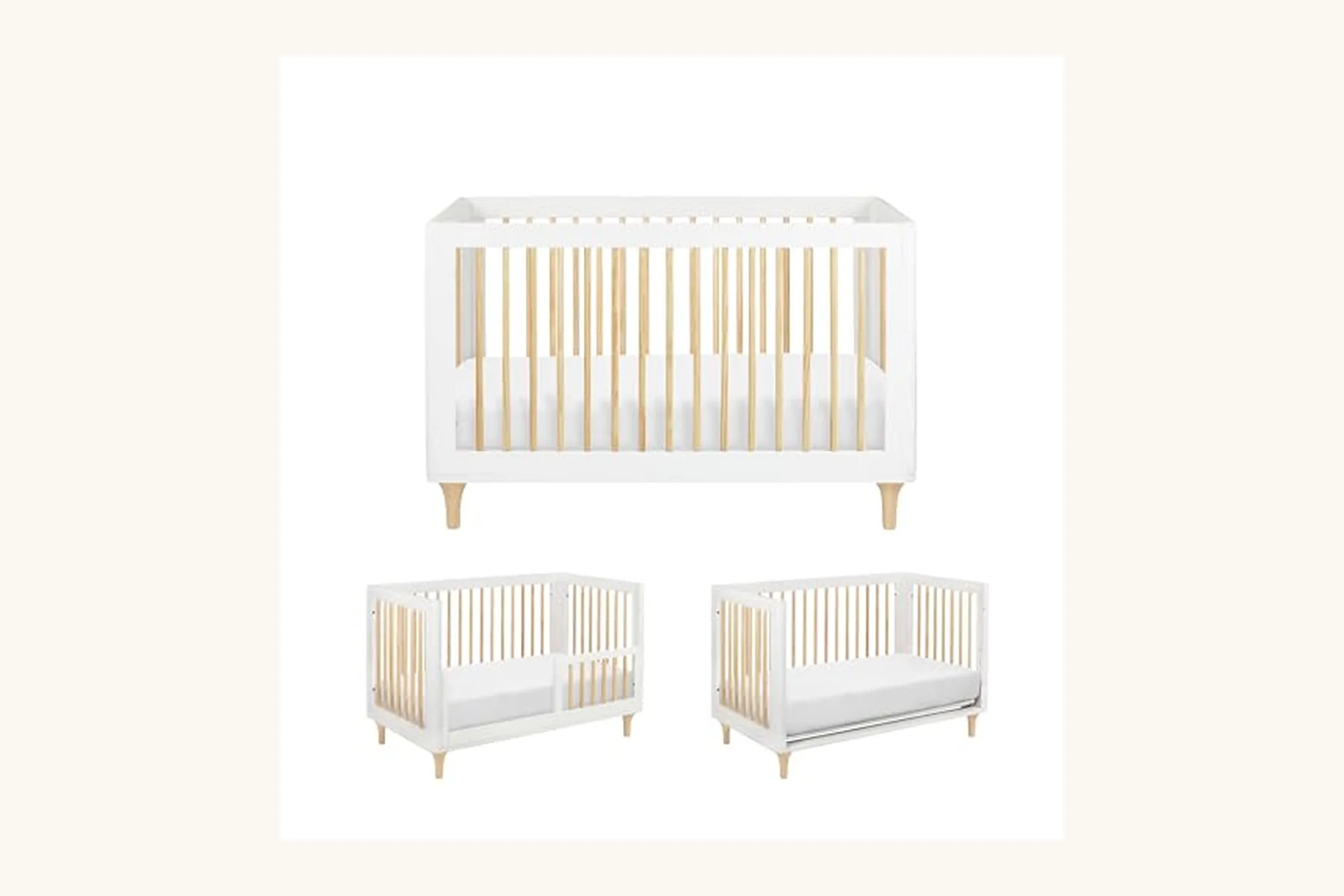
Choose the crib first: it is the piece the whole room hangs on. The Babyletto Lolly comes in white and natural wood, and it converts from crib to toddler bed to daybed, so the piece you buy for the nursery stays useful when the room becomes a toddler room.
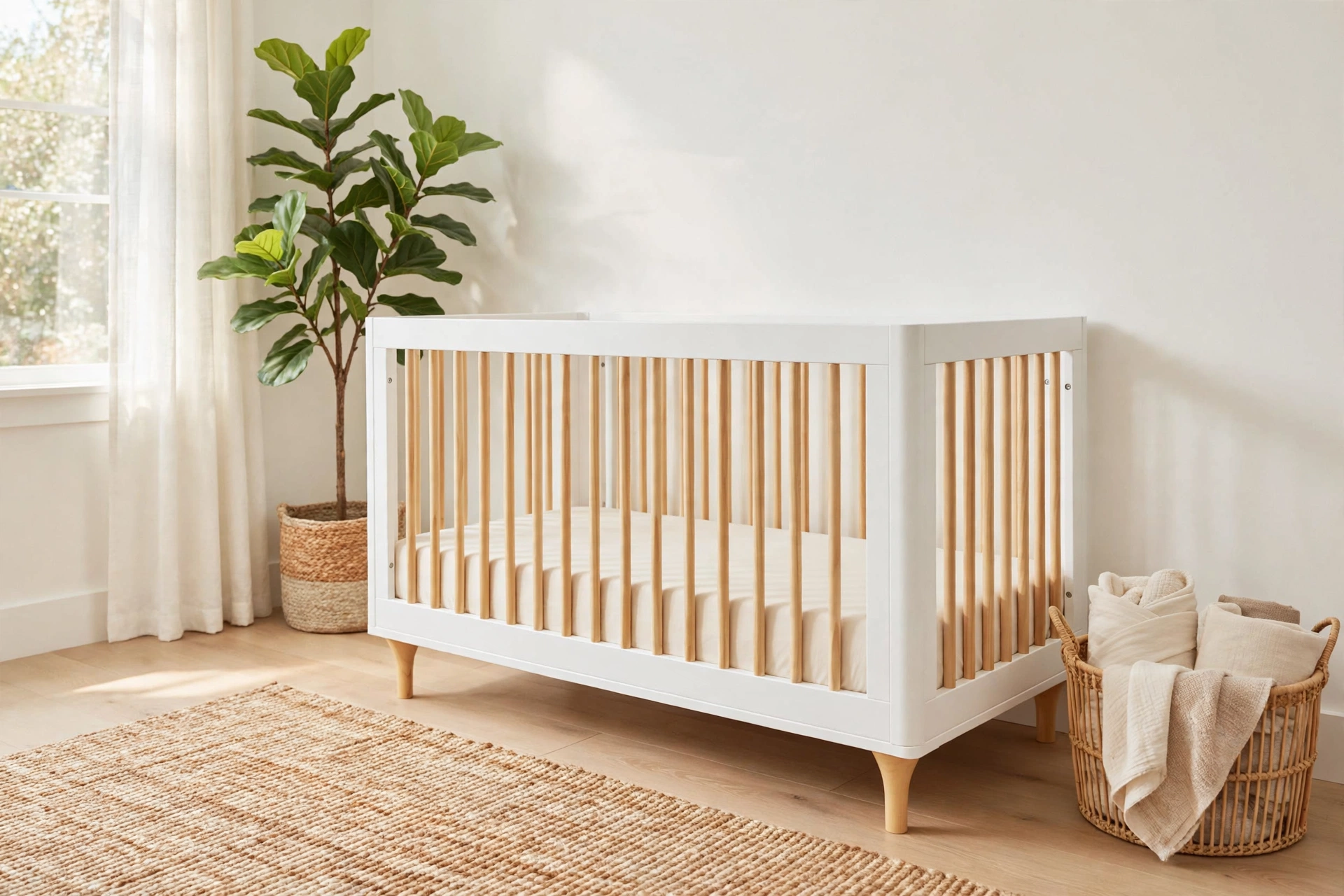
Babyletto Lolly 3-in-1 Convertible Crib, White and Natural
White and natural wood finish, converts from crib to toddler bed to daybed.
If the room is really a corner of your bedroom, a mini crib earns its keep. The Dream On Me Aden is a 4-in-1 that fits where a full crib will not, and it still converts to a daybed later. It needs about 40 inches of wall and a clear path for night feeds, and it is the honest answer for a one-bedroom home.

Dream On Me Aden 4-in-1 Convertible Mini Crib
Compact 4-in-1 mini crib that converts to a daybed.
2. Natural Light: Which Way Do the Windows Face?
Light is the check most parents get wrong, because a bright room feels like a good room. It is, during the day. But a nursery is also a sleep room, and the same window that makes the room cheerful at noon can throw a hard beam of sun onto the crib at 4pm, right at nap time.
Check which way each candidate room faces. South and west facing rooms get the strongest afternoon sun and run warmest, lovely in winter and a problem in summer. North facing rooms stay cooler and steadier, with soft light all day, and they are often the easiest rooms to keep dark. East facing rooms get bright morning light and cool off by nap time.
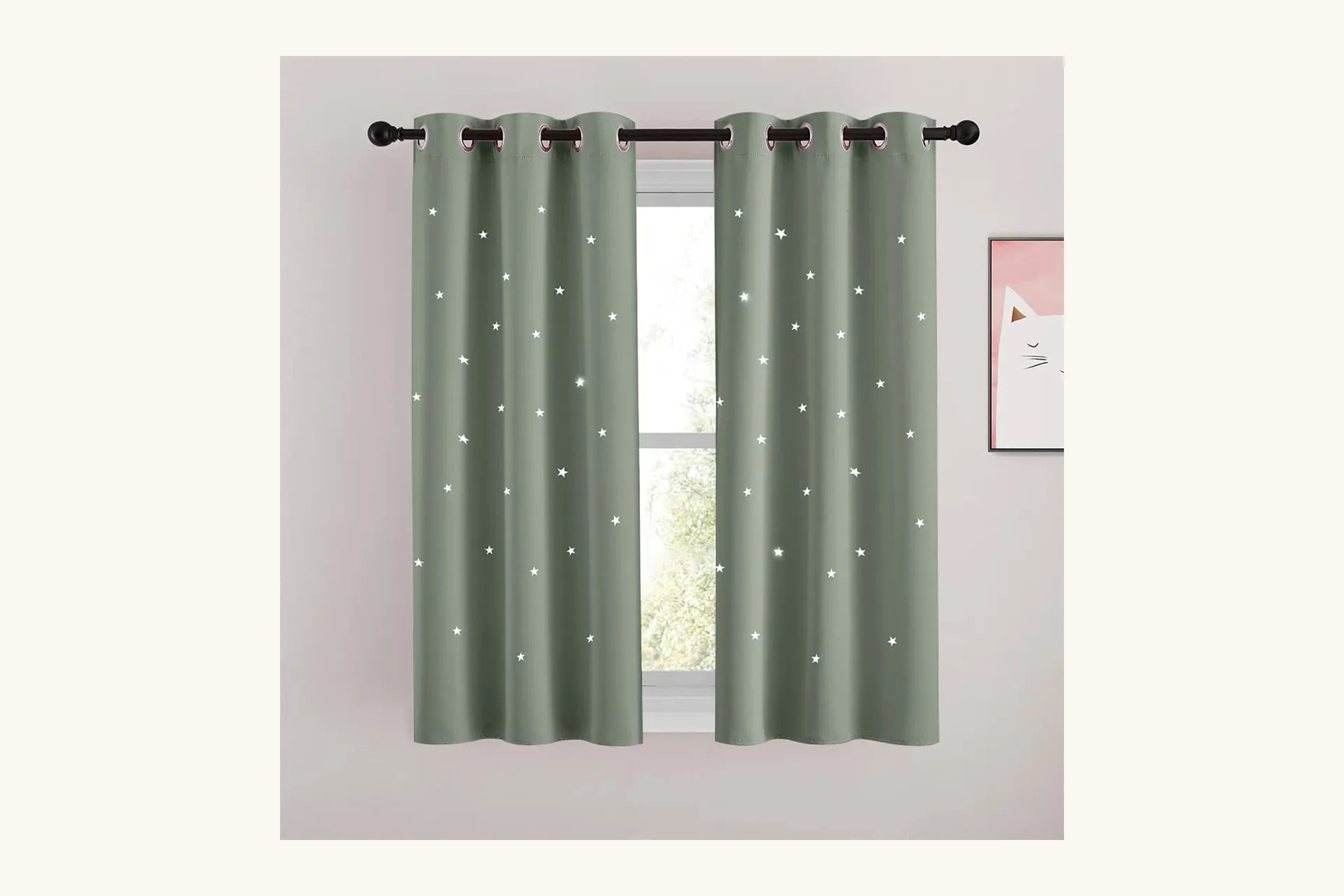
Wherever the window is, keep the crib out of the direct sunbeam. Move it to the wall beside the window, never in front of it, so the sun never lands on your baby’s face. Then make the room dark on demand. The NICETOWN set comes in sage green with star cutouts, and the room darkening lining keeps the room dark for naps.
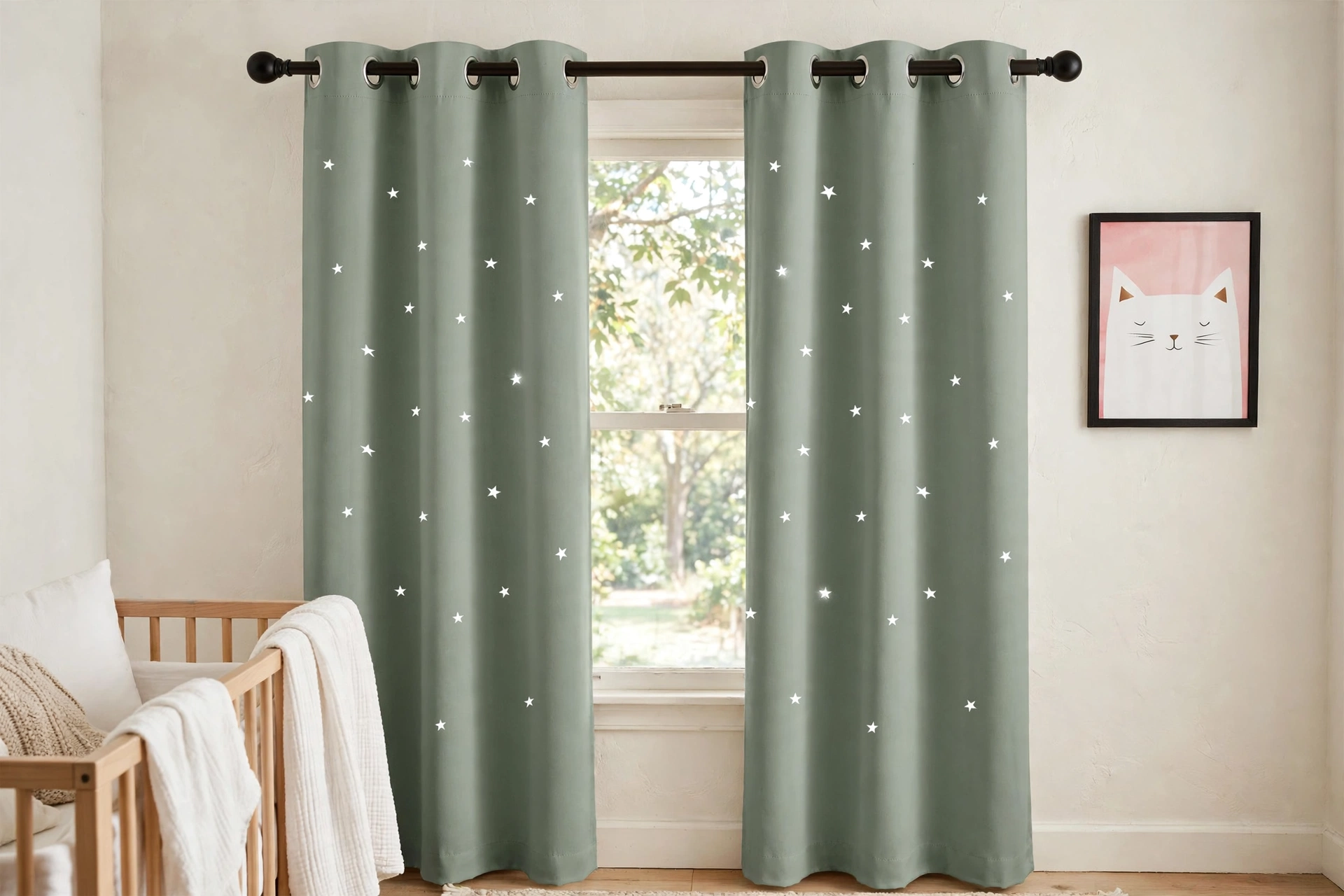
NICETOWN Nursery Curtains, Sage Green Star Cutout, Room Darkening, Set of 2
Sage green nursery curtains with star cutouts, room darkening, 52 by 63 inches, set of 2.
If the window leaks light around the edges, a portable shade is the backup. The Amazon Basics shade sticks to the window with suction cups, and the moon and stars print fits the room. Keep it folded in the diaper bag too, so naps stay dark even away from home.
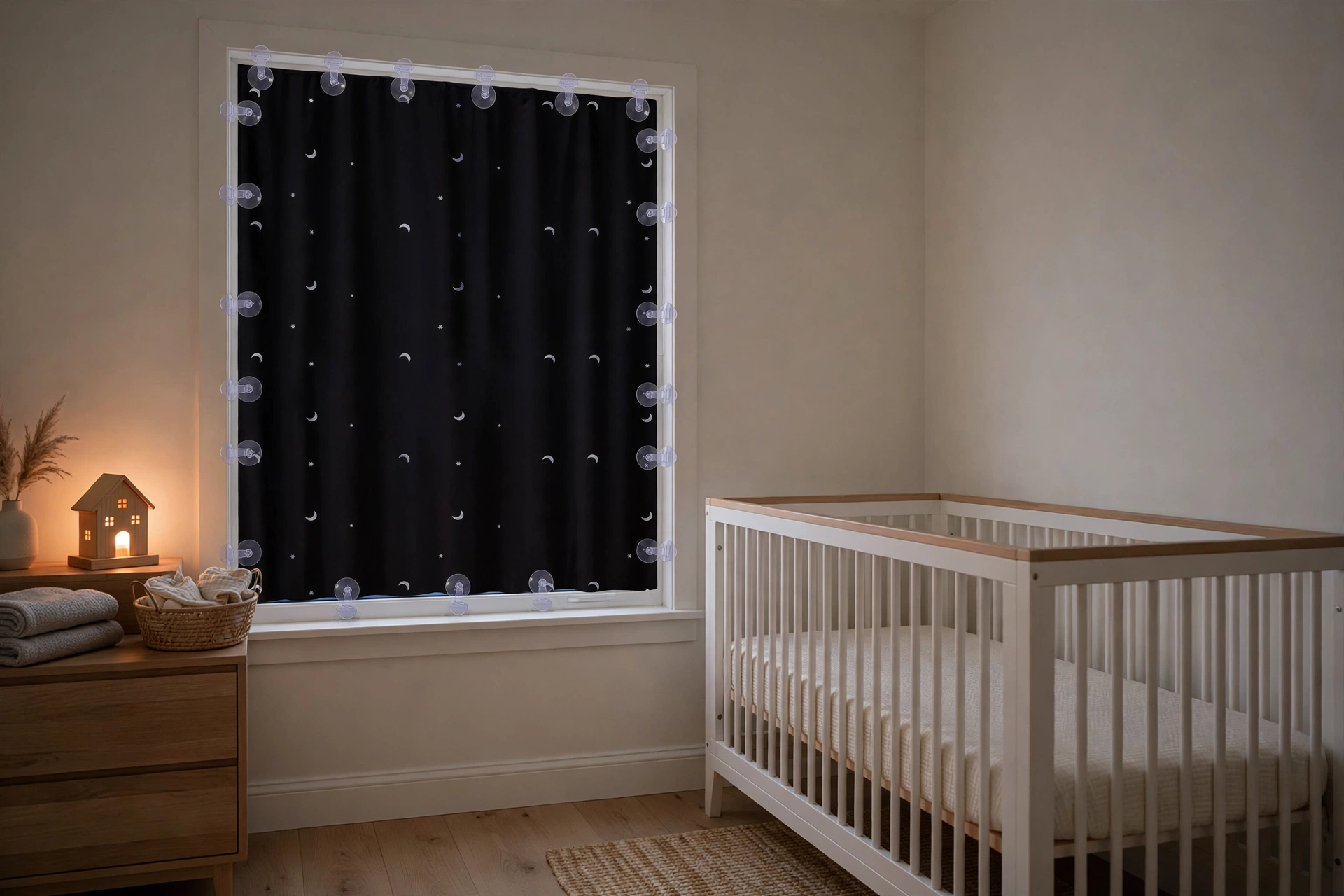
Amazon Basics Portable Blackout Curtain Shade, Moon and Stars
Portable blackout shade with suction cups, 50 by 78 inches, moon and stars print.
3. Noise: How Quiet Is the Room at Nap Time?
A nursery next to the kitchen, the laundry, or the front door will wake your baby ten times a day. Stand in each candidate room at nap time and just listen. The dishwasher, the washing machine, the street outside, and the older kids playing downstairs all count, and they are easy to miss on a quiet evening walkthrough.
The quietest room is usually the one farthest from the front door and the kitchen, on the side away from the street. An upstairs room is often quieter than a ground floor room, because footsteps and voices from below stay below. A room with a door that closes properly beats an open archway, because a closed door is the simplest sound barrier you own.
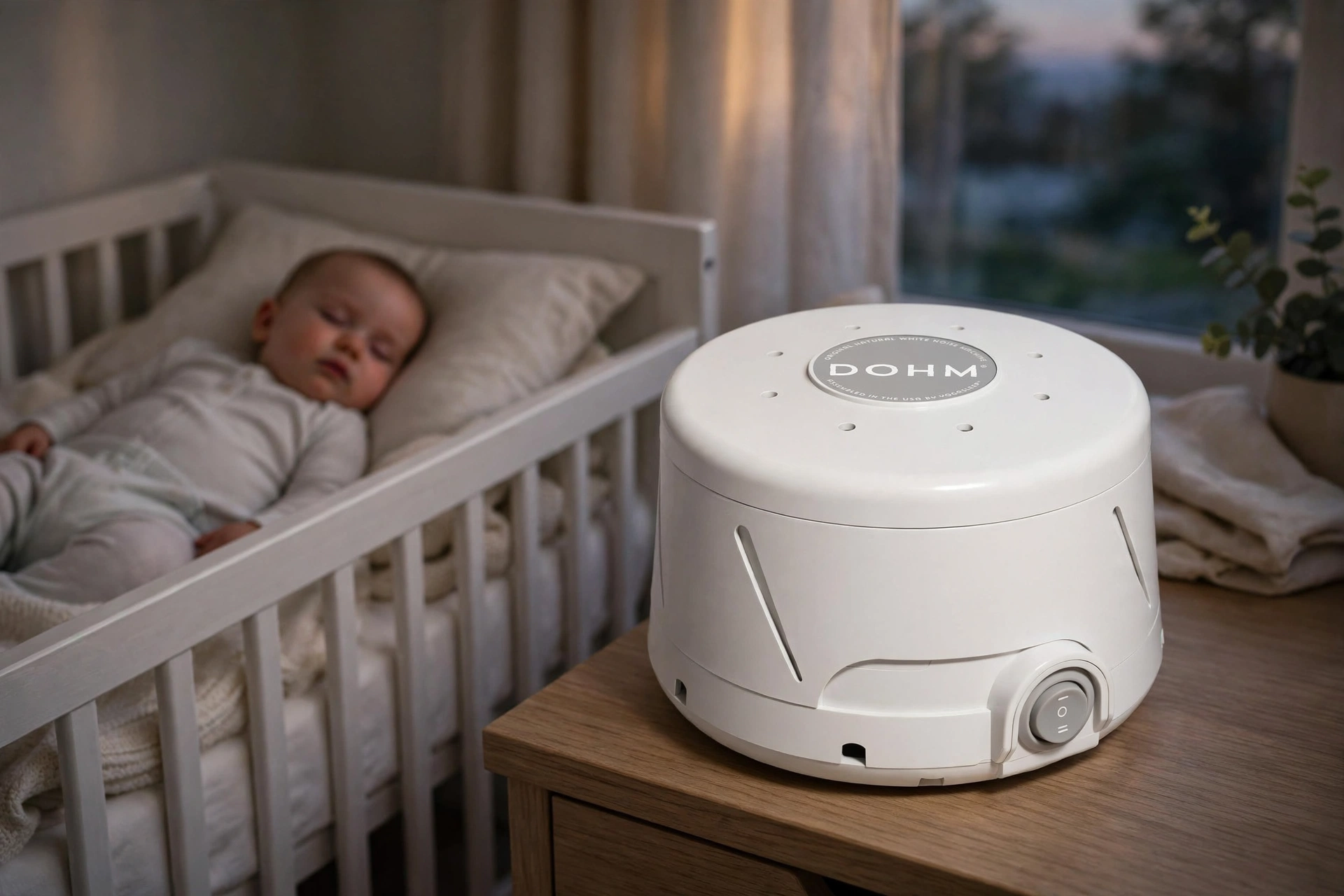
When the quietest room still is not quiet enough, white noise closes the gap. The Yogasleep Dohm makes real fan-based white noise with no loop and no speaker hiss. Place it across the room from the crib and keep the volume low, about as loud as a soft shower.
Yogasleep Dohm White Noise Machine
Real fan-based white noise, no loop, classic nursery design.
4. Distance From Your Bedroom: Near or Far?
Distance is the check that changes with the months. In the first six months, the American Academy of Pediatrics recommends room sharing, with your baby in their own crib or bassinet in your room, because it lowers the risk of sudden infant death syndrome. So for the first half year, the nursery room is mostly a daytime room, and its distance from your bedroom barely matters.
After the move to their own room, distance matters every single night. A room right next door means a short walk, a fast response, and a baby who settles again quickly. A room at the far end of the hall means a longer walk when you are half asleep, and every extra step is a chance to wake fully and stay awake. If you can choose, pick the room closest to yours.
A far room is not a failed room, and it has one real advantage: the rest of the house stays quiet. When the baby cries at 2am, a far room keeps the sound away from an older sibling’s room and from guests. Weigh that against the walk. For most families with one baby, near wins. For families with a light-sleeping toddler next door, far can be the kinder choice.
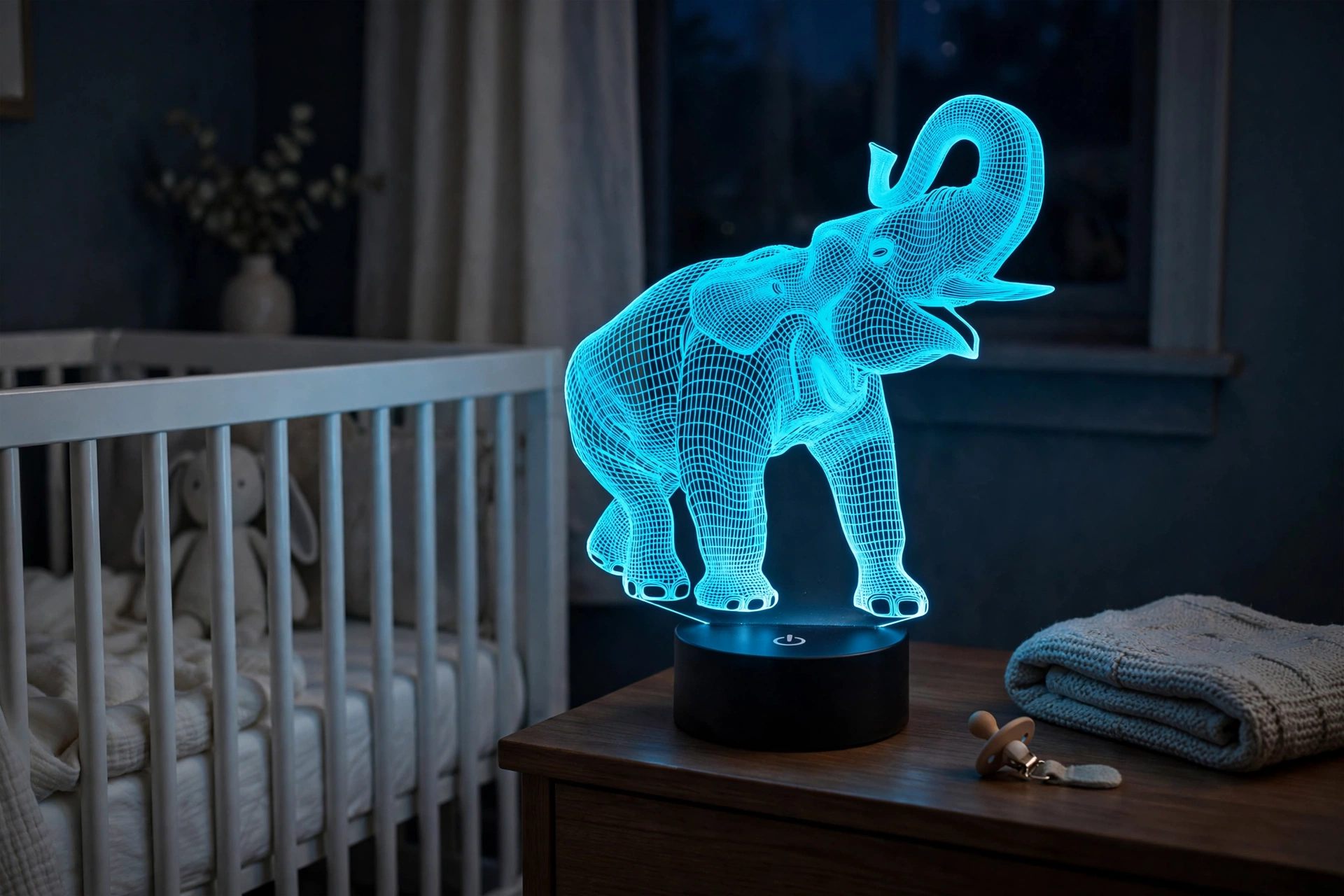
Make the walk safe whatever you choose. A small night light in the hallway means you never cross a dark house carrying a baby, and it keeps the nursery dark while you check in. This elephant night light gives a soft glow that is bright enough to see by and dim enough to keep the room sleepy, and it sits low, on the floor by the door.
5. Ventilation and Temperature: Does the Room Stay Steady?
A room that swings hot and cold is a room your baby will wake up in. The range most safe-sleep guidance points to is 68 to 72 degrees Fahrenheit, and the test is simple: stand in the room at 3pm and again at 3am. Rooms over the garage, with a big west window, or with one small vent fail that test, because they heat up fast and cool down faster.
Check the air, not just the temperature. Open the window and feel whether fresh air actually moves through the room, or whether it sits still. A room with windows on two walls gets a cross breeze, which matters more than one big window. If no window opens, or it opens onto a busy road, that is a real mark against it, because a nursery needs fresh air every day.
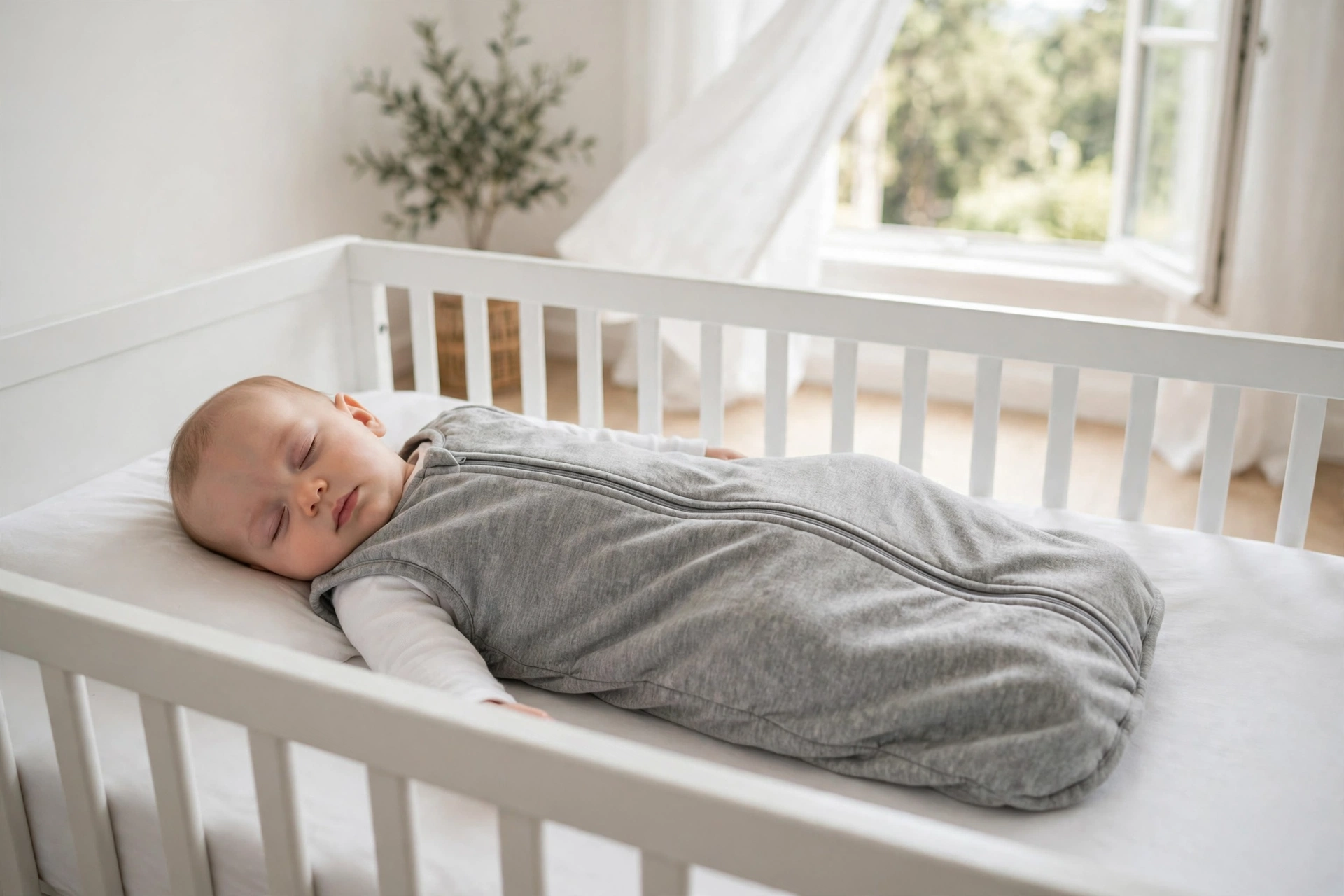
Dress your baby for the room, not for the season. On a warm night, a light cotton wearable blanket over a short sleeve bodysuit is enough, and on a cool night, a warmer layer under the same blanket does the job. The HALO SleepSack is 100 percent cotton at 0.5 TOG, and the AAP recommends wearable blankets instead of loose blankets. Size it by weight and height, not age, and check the back of your baby’s neck, warm and dry is right, sweaty is too warm.
HALO SleepSack Toddler Sleeping Bag
100% cotton wearable blanket, 0.5 TOG, with foot openings.
6. Closet and Storage: Where Will Everything Live?
Babies arrive with more stuff than any room seems ready for, and the closet is where that stuff either lives neatly or spills across the floor. Before you pick a room, open its closet. A deep closet with a rail and a shelf beats a shallow one every time, and a room with no closet needs a dresser and cubes to make up the difference, which eats the floor space you measured in step one.
Think about what the room must hold, not just today but at twelve months. Clothes in three sizes, diapers, wipes, creams, and blankets. If the closet is small, the room needs a dresser, and the changing spot needs its own storage within arm’s reach, because you never leave a baby on a changing table to fetch wipes from across the room.
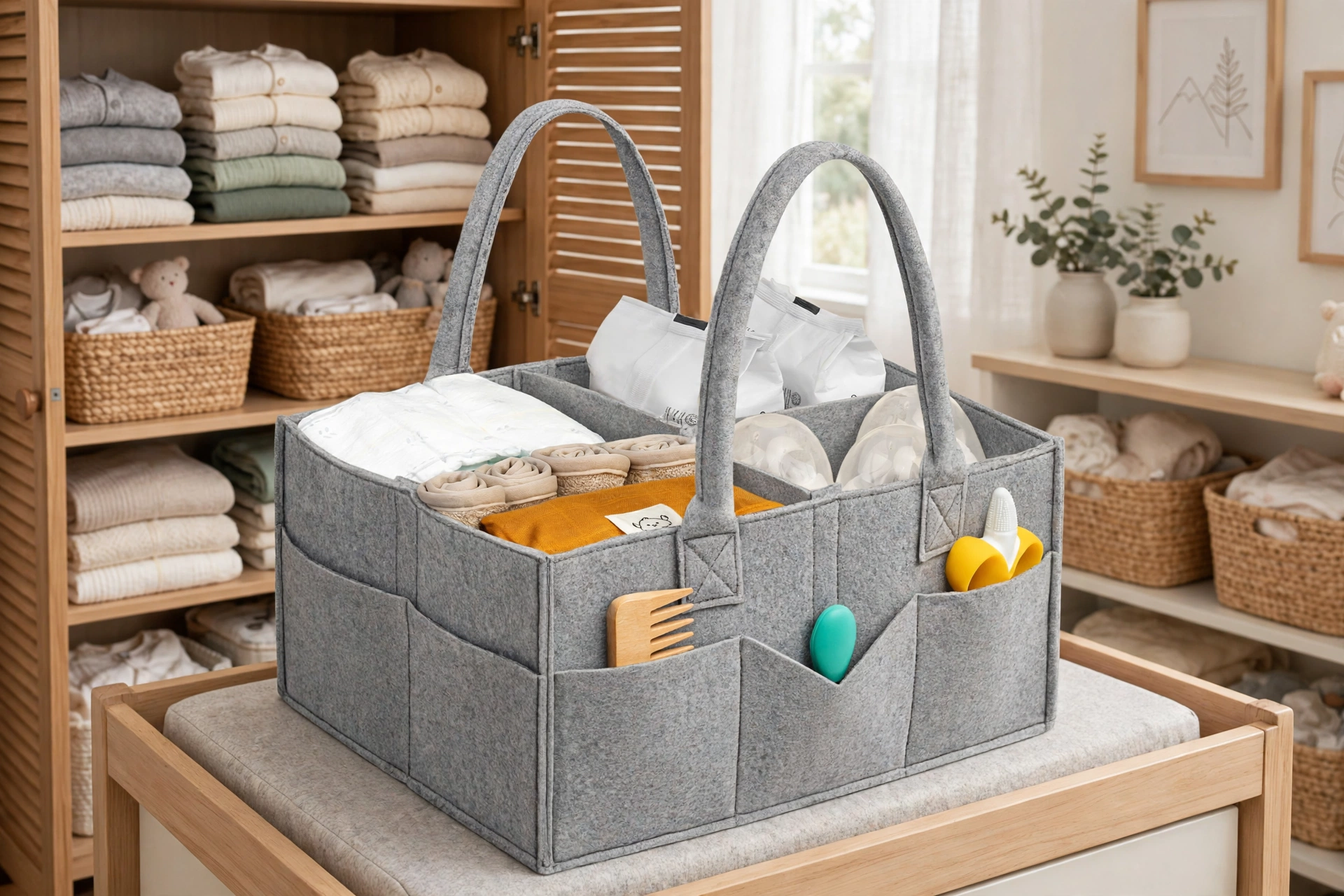
A caddy keeps the changing spot tidy when you are half asleep. The KeaBabies felt caddy has three removable dividers, so diapers, wipes, and cream each get their own slot. Restock it every evening, so the 3am change never runs out of wipes.
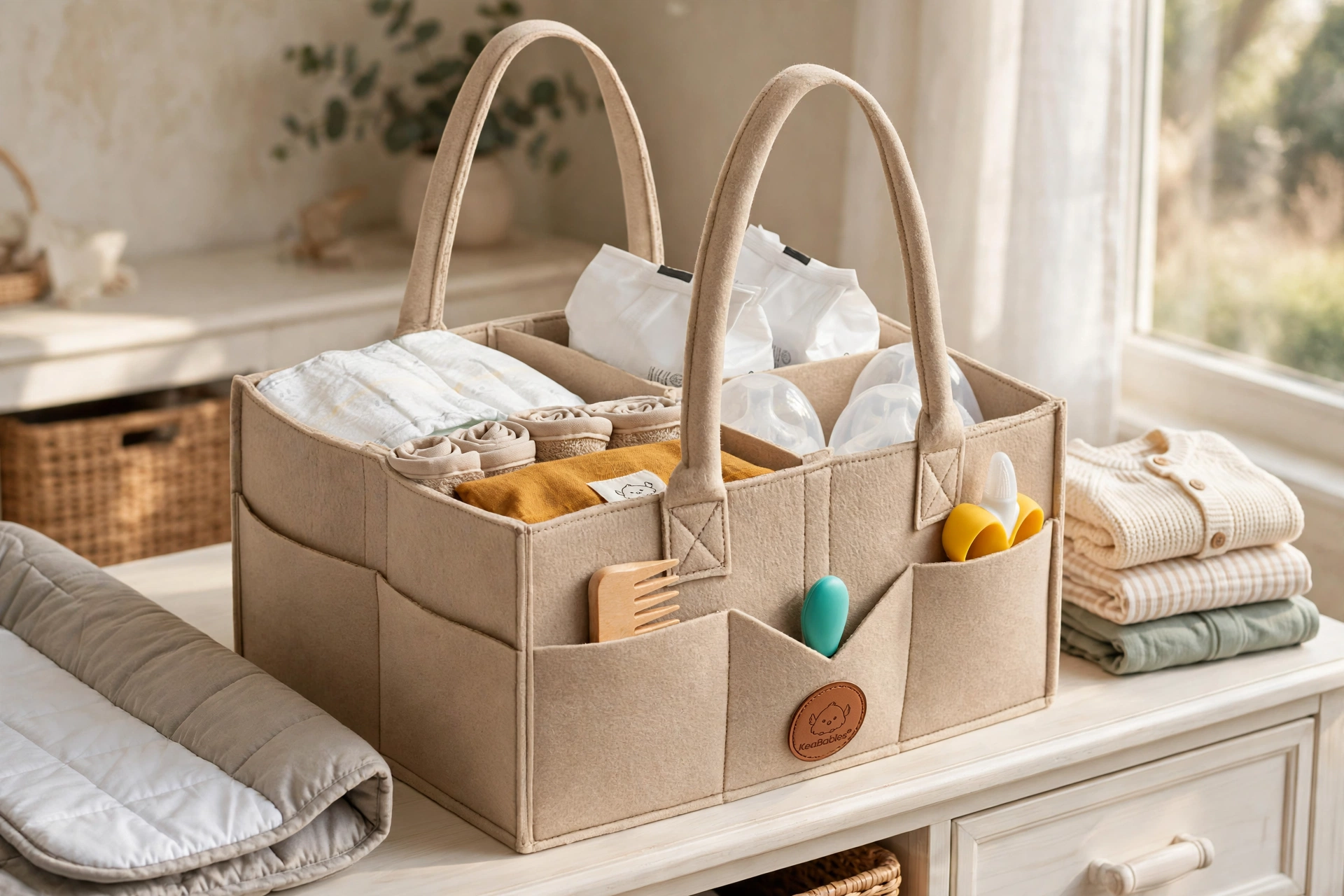
KeaBabies Baby Diaper Caddy Organizer
Soft felt caddy with 3 removable dividers, portable.
For the rest of the room, low cubes beat tall shelves, because a toddler can reach them safely. The UTEX 3-cube shelf is white, just over 3 feet tall, and it stacks, so it grows into a playroom shelf. Anchor it to the wall with the hardware that comes in the box, because a tipping shelf is one of the most common nursery injuries, and face the board books out so a toddler can choose by the cover.
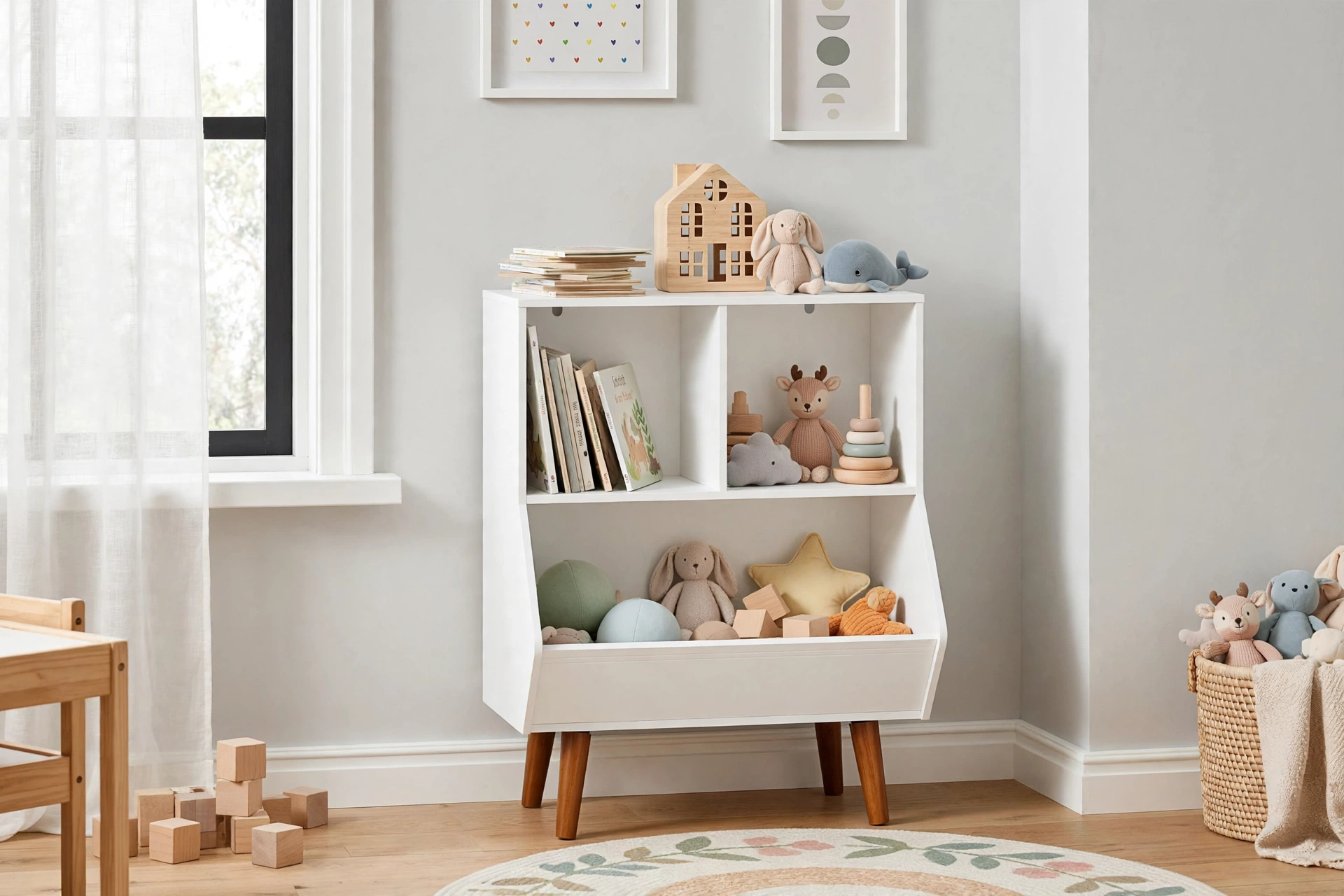
UTEX Stackable Toy Storage Cabinet, 3 Cubes
White 3-cube bookshelf, stackable, with anti-tip device.
7. Future Use: What Happens to This Room in Two Years?
The nursery is the shortest-lived room in your house, and that is the point most guides skip. Your baby will outgrow the crib at about two or three years old, when they climb out or reach 35 inches tall, and the room has to become a toddler room without a full rebuild. A room that works for both stages is worth more than one that only works for the first year.
Pick the room that grows. A room big enough for a toddler bed and a small reading corner will serve you for five years, while a tiny room that only fits a crib will force a move just as your child settles in. Ask where the toddler bed will go, where the books will live, and where you will read together. If those three have no answer, the room is a one-year room.
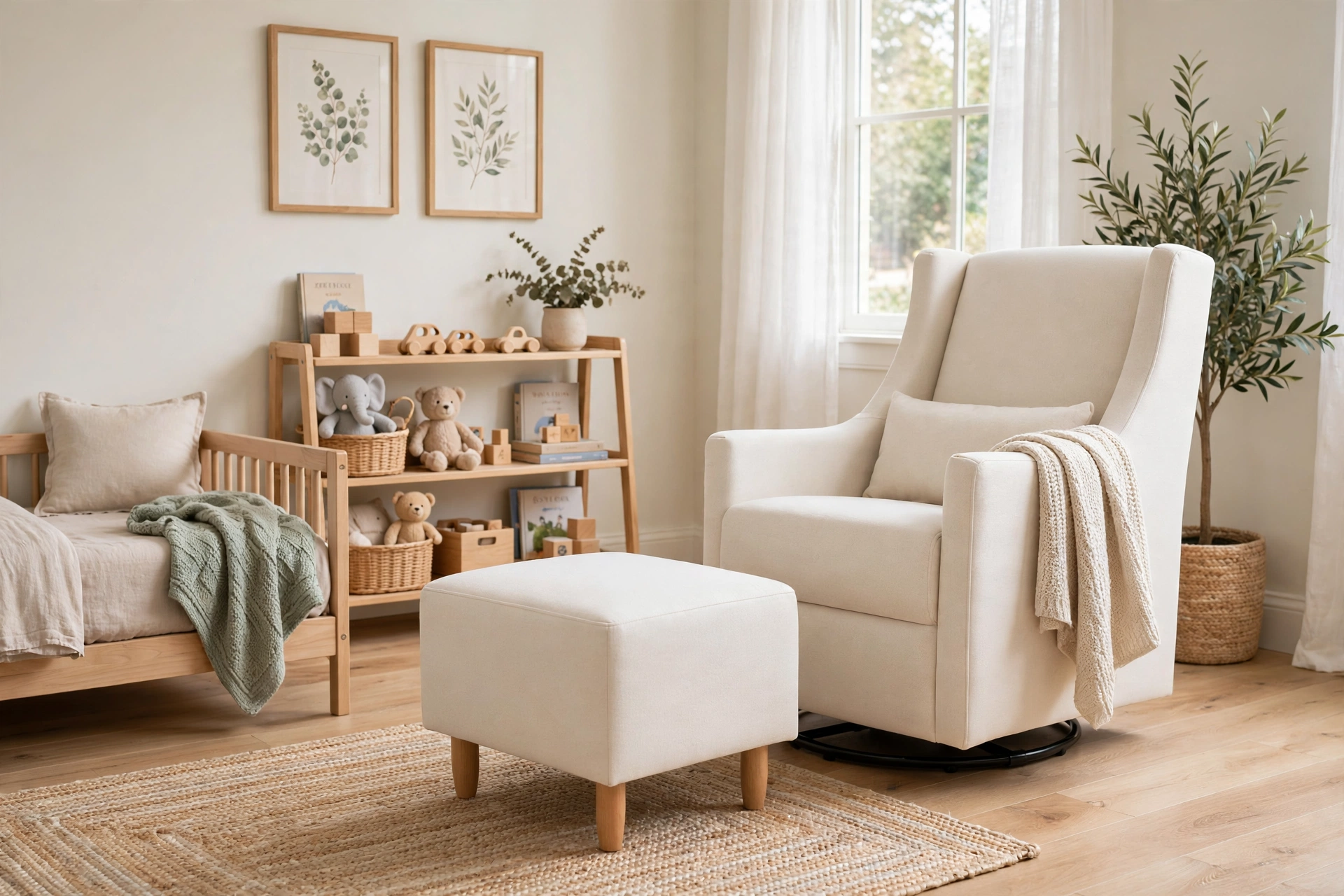
Keep the pieces that grow with the room. The crib you chose in step one converts to a toddler bed and then a daybed, so the biggest piece never needs replacing. Keep the glider too, because it stops being a feeding chair and becomes the reading chair, the place you sit for one more story every night. The daVinci Olive glider swivels and glides, comes with a storage ottoman, and the cream polyester is stain resistant and GREENGUARD Gold certified, so it is built for years of daily use.
daVinci Olive Swivel Glider with Ottoman, Cream
Swivel glider with storage ottoman, stain resistant, GREENGUARD Gold.
Small Room vs Large Room, Near vs Far
| Choice | Wins | Watch Out For |
|---|---|---|
| Small room | Cozy, easy to keep dark, everything within reach | Crib, glider, and changing spot may not fit; needs a mini crib |
| Large room | Fits everything, grows into a toddler room | Harder to keep dark and warm; corners collect clutter |
| Near your bedroom | Short night walks, fast response | Cries travel to your room and to a sibling next door |
| Far from your bedroom | The rest of the house stays quiet at 2am | Long walks when half asleep; needs a lit hallway |
| Ground floor | No stairs with a baby in your arms | Street noise, and the kitchen and laundry are close |
| Upstairs | Quieter, away from the front door and the kitchen | Stairs at night; check it stays warm in winter |
Nursery Safety Pass
Pretty is not the same as safe, so run this pass before the room is done. Room share for the first six months, with your baby in your room in their own sleep space, and keep the crib bare: a firm, flat mattress, a fitted sheet, and nothing else until 12 months. No pillows, no blankets, no bumpers, and no stuffed animals in the crib. A wearable blanket keeps your baby warm instead. Anchor every dresser, shelf, and heavy piece to the wall with the hardware that comes in the box. Choose cordless blinds or move cords out of reach, and use low-VOC paint. Keep the room at 68 to 72 degrees Fahrenheit. And one rule for anything that hangs: nothing heavy above the crib, and no art or shelf over the spot where your baby sleeps.
Shop This Post
| Product | Used For | |
|---|---|---|
| Babyletto Lolly 3-in-1 Convertible Crib, White and Natural | Room Size (Consideration 1) | (Check Price) |
| Dream On Me Aden 4-in-1 Convertible Mini Crib | Room Size, Small Rooms (Consideration 1) | (Check Price) |
| NICETOWN Nursery Curtains, Sage Green Star Cutout, Room Darkening, Set of 2 | Natural Light (Consideration 2) | (Check Price) |
| Amazon Basics Portable Blackout Curtain Shade, Moon and Stars | Natural Light, Travel Naps (Consideration 2) | (Check Price) |
| Yogasleep Dohm White Noise Machine | Noise (Consideration 3) | (Check Price) |
| Elephant 3D Night Light | Distance From Your Bedroom (Consideration 4) | (Check Price) |
| HALO SleepSack Toddler Sleeping Bag | Ventilation and Temperature (Consideration 5) | (Check Price) |
| KeaBabies Baby Diaper Caddy Organizer | Closet and Storage (Consideration 6) | (Check Price) |
| UTEX Stackable Toy Storage Cabinet, 3 Cubes | Closet and Storage (Consideration 6) | (Check Price) |
| daVinci Olive Swivel Glider with Ottoman, Cream | Future Use (Consideration 7) | (Check Price) |
Want the Room Choice in One Checklist?
I am putting the 7 checks from this guide into a Nursery Room Planning Pack: a one-page room scoring sheet, a furniture measuring worksheet, and a room comparison planner, one page per check. No link or price here yet, this is the pack I am building next, and the details will land here when it is ready.
Frequently Asked Questions
What is the smallest room that works as a nursery? A room that fits a crib, a glider, and a changing spot with a clear path between them. In a tight room, a mini crib needing about 40 inches of wall is the honest answer.
Should the nursery be near or far from the parents’ bedroom? Near is best for the first year, because the walks are short and your baby settles faster. Far works when a light-sleeping sibling or guest needs the quiet, as long as the hallway is lit.
Which direction should the nursery windows face? North facing rooms stay coolest and steadiest, with soft light all day. South and west facing rooms get strong afternoon sun, so keep the crib out of the sunbeam and darken the room on demand.
What temperature should the nursery be? The range most safe-sleep guidance points to is 68 to 72 degrees Fahrenheit. Dress your baby for the room with a wearable blanket, and check the back of their neck: warm and dry is right, sweaty is too warm.
Can a nursery share a room with the parents or an older sibling? Yes, and for many families it is the right first step. A mini crib in a corner of your room, or a crib on one side of a sibling’s room, works. Move your baby to their own room once they sleep through fairly well.
The Short Version
The best nursery room is the closest, quietest room that fits the crib, the glider, and the changing spot, with a window you can darken and air that stays steady. Score each room on the seven checks, pick the one that passes the most, and let the closet and the toddler-room future break the tie.
More Nursery Guides