18 Free Printable Coloring Pages for Kids: Print, Color & Keep Them Busy
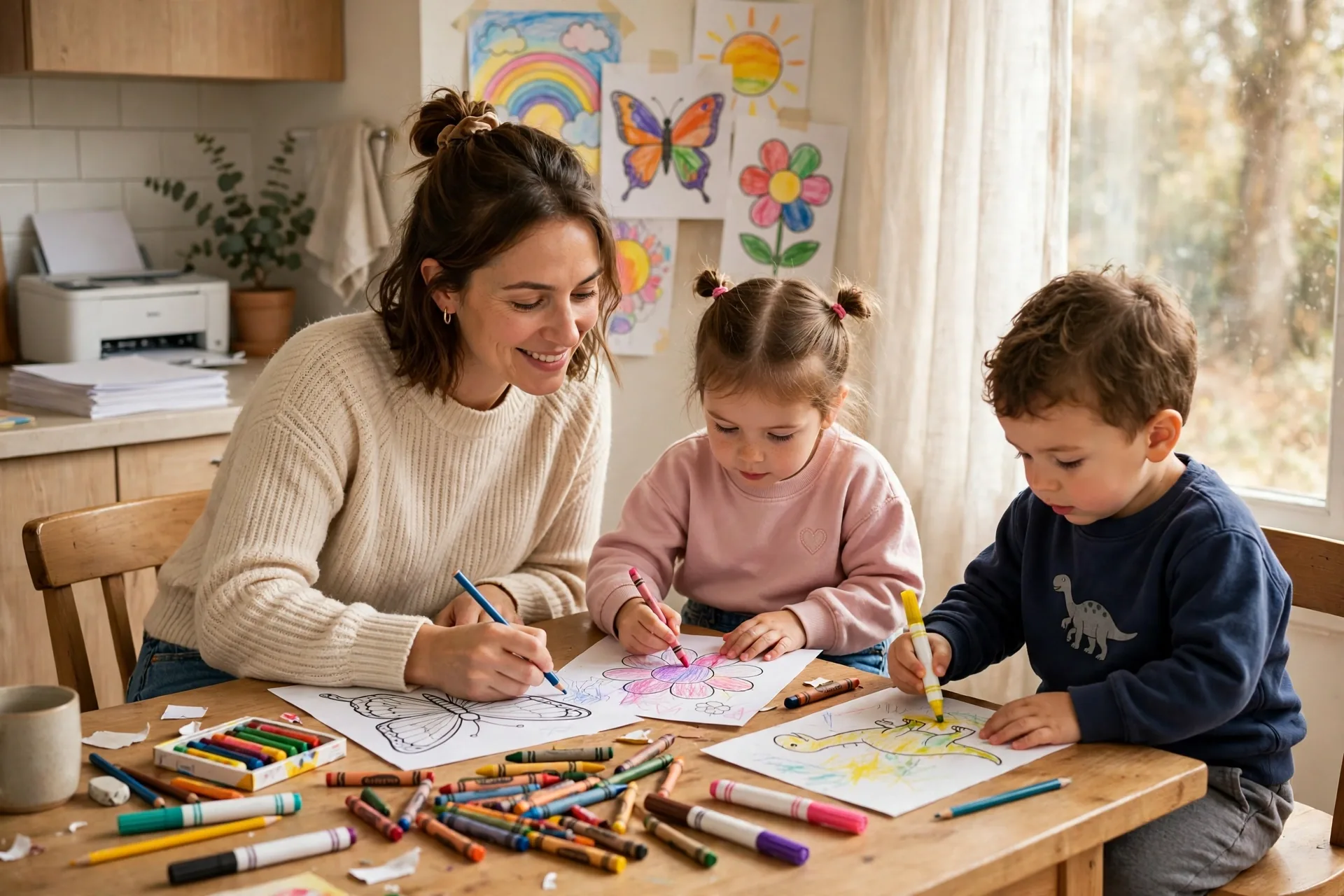
Coloring pages are the quiet hero of our house. They buy me a calm cup of coffee, they survive every rainy afternoon, and they are the one screen-free activity my 4-year-old asks for by name and my 2-year-old can join without a single rule being explained. If you have a printer and a handful of crayons, you already own the whole activity.
This guide is the map of our coloring library: every theme we keep, organized so you can find the right page in under a minute — plus the parts nobody tells you. How to print a page so the lines come out crisp instead of gray and cut off. Which paper is worth it (and when the cheap stuff is fine). And what to hand a 2-year-old versus an 8-year-old, because the wrong tool is the difference between twenty quiet minutes and a meltdown with marker on the wall.
Heads up: this post contains affiliate links. If you buy through them, MamaKinder may earn a small commission at no extra cost to you — it helps keep these guides free.
How This Library Works
Every theme lives in its own guide: open the theme your kid is currently obsessed with, pick a page inside it, and print it at home on regular letter paper. No accounts, no sign-ups, no hunting through a hundred mixed-up pages to find one good elephant. The library is organized the way kids actually ask — by theme, by season, and by how much detail their little hands can handle.
One thing to know before you print a stack: bold, simple pages are for little kids; detailed pages are for bigger kids. A page that delights a 7-year-old will frustrate a 2-year-old in about ninety seconds. Match the page to the hand, and coloring time runs itself.
Start Here: 18 Free Pages to Print Right Now
New to the library? Start with these eighteen — the pages our readers print first. Tap any picture to open its full-size PDF, print it on US Letter in grayscale (the settings that save your ink are in tip 7 below), and hand it over. Every page is free, no sign-up, and you can print as many copies as your house needs.
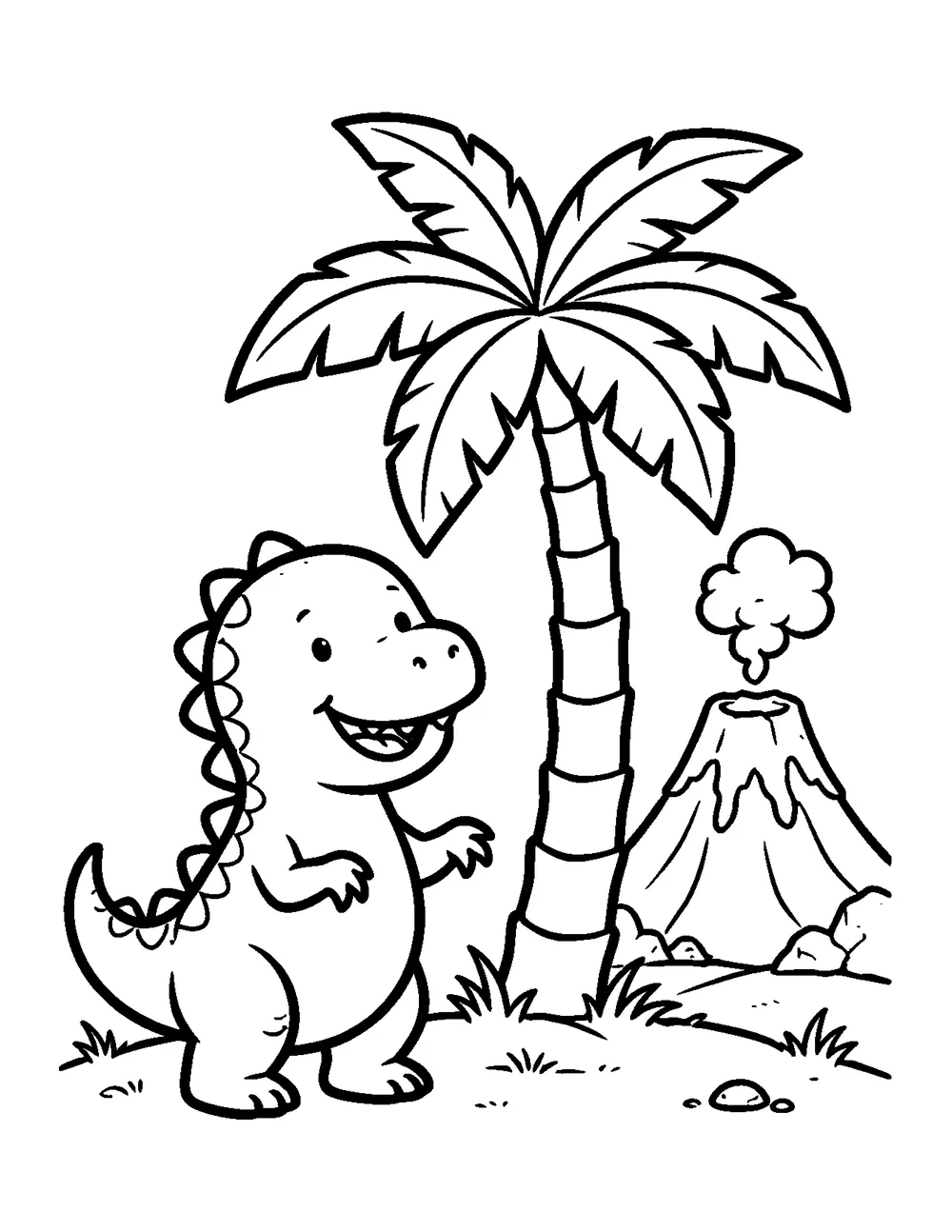
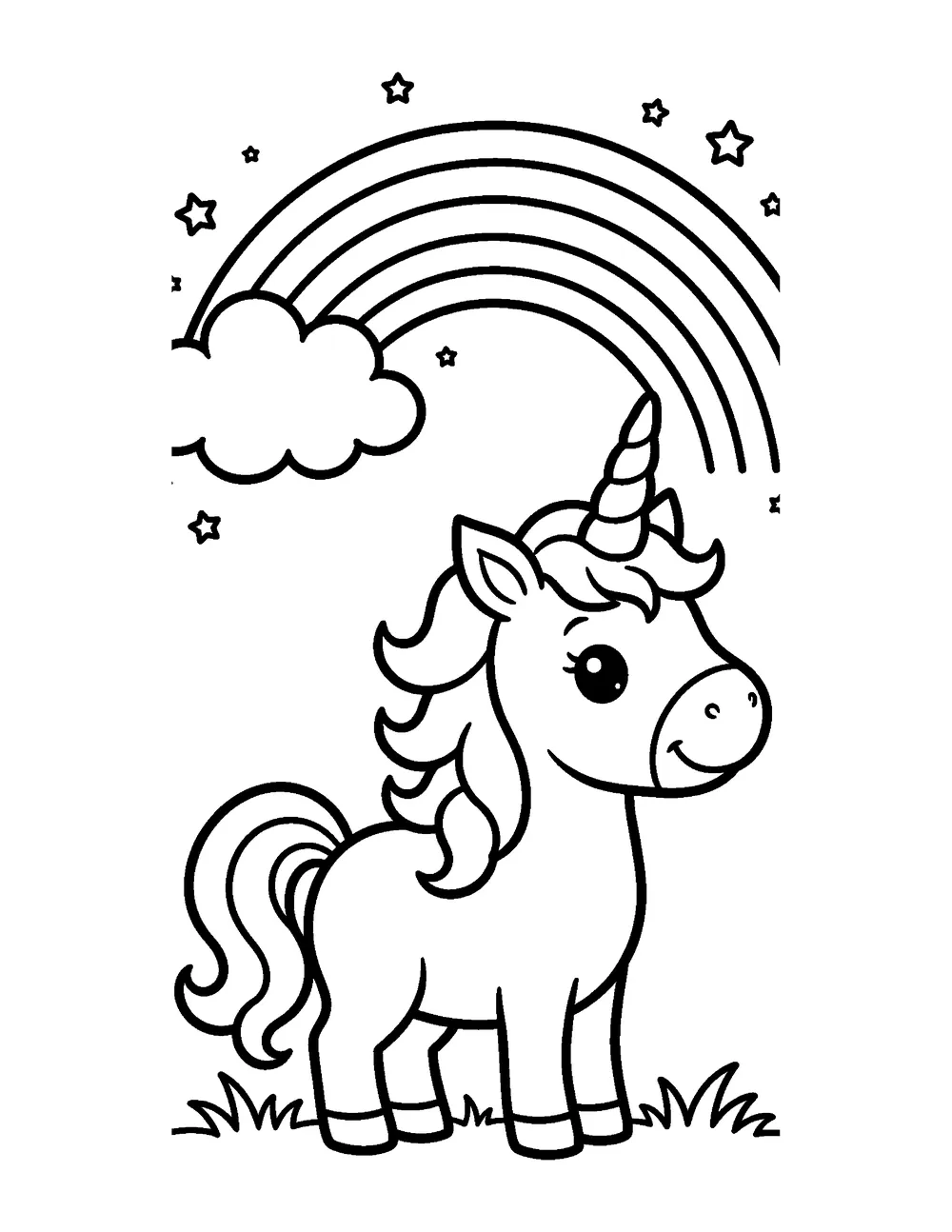
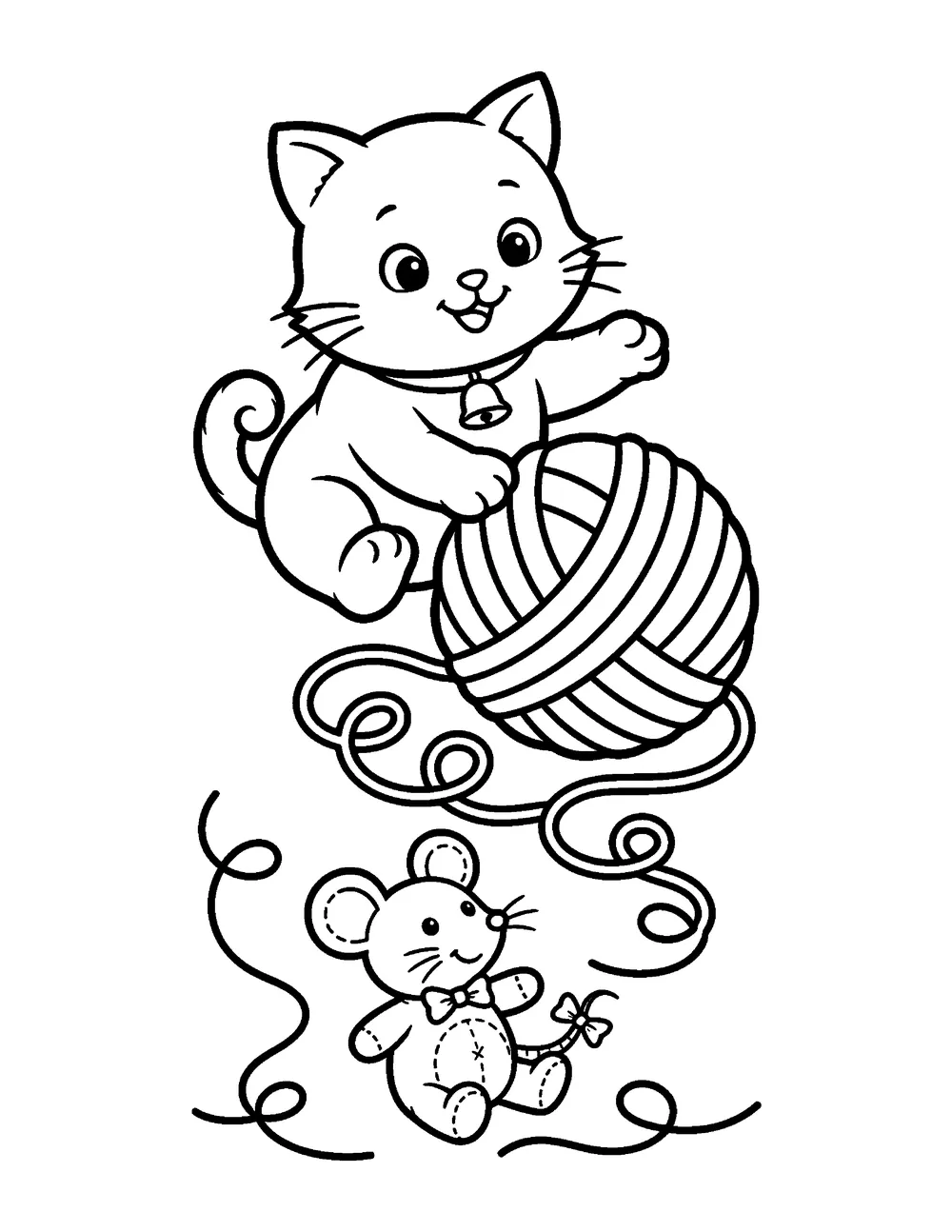
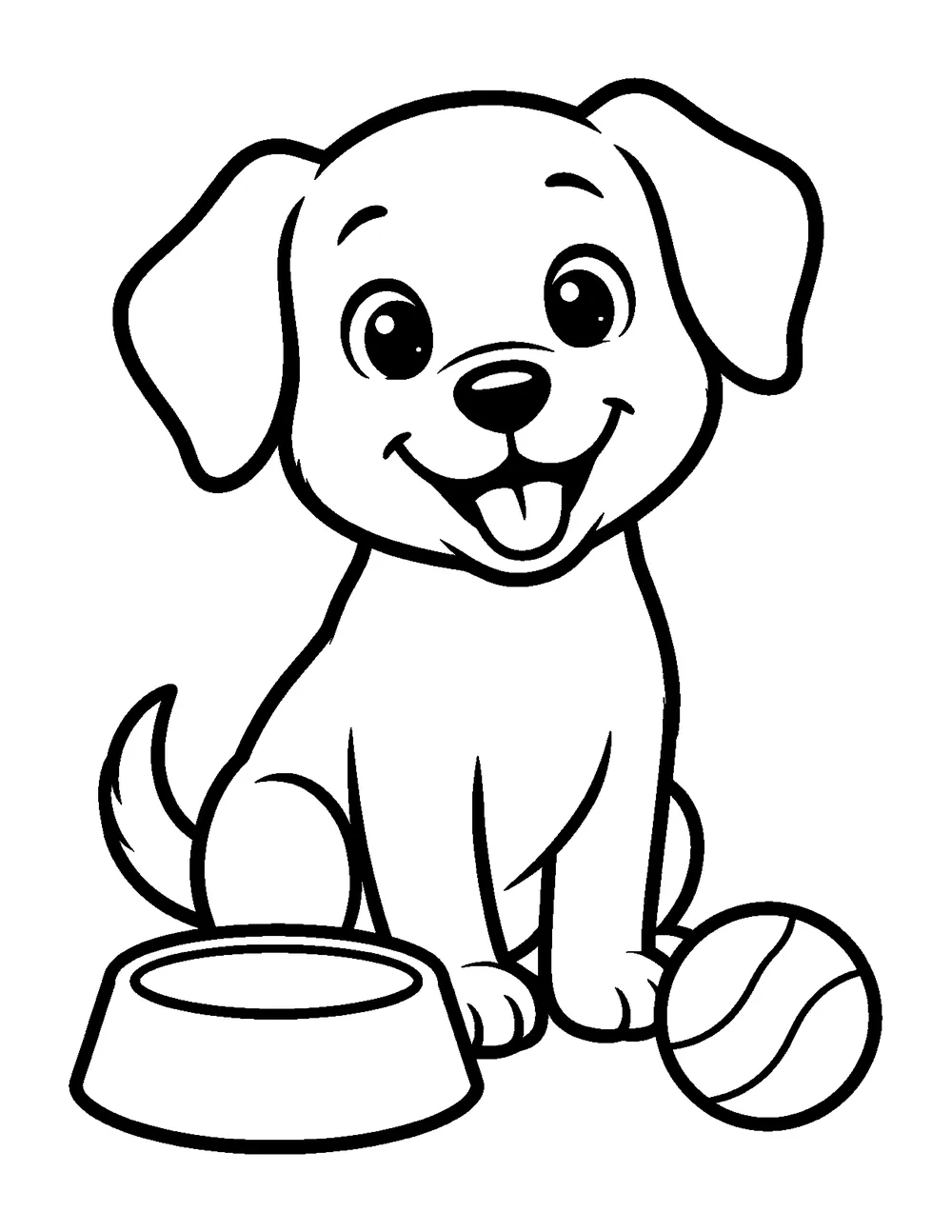
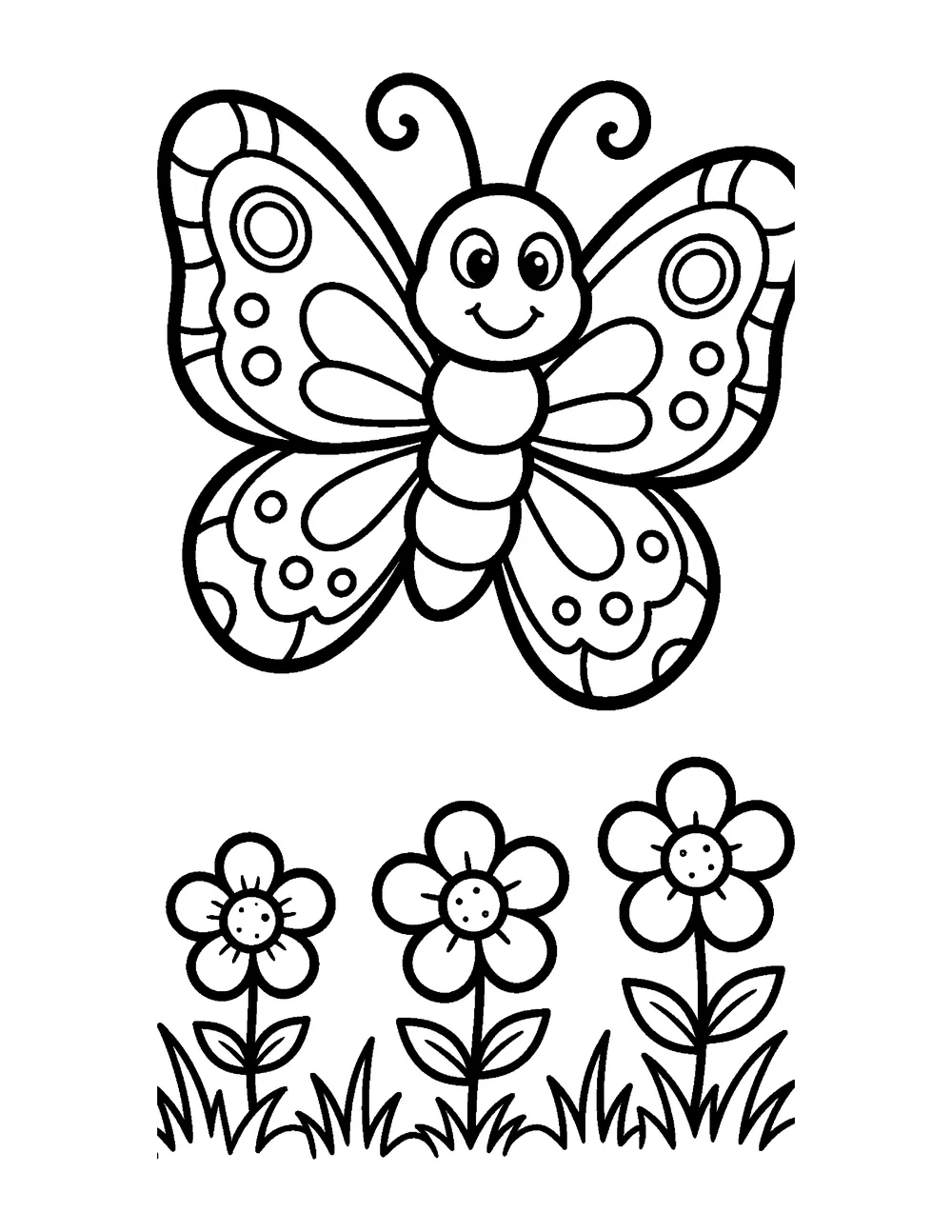
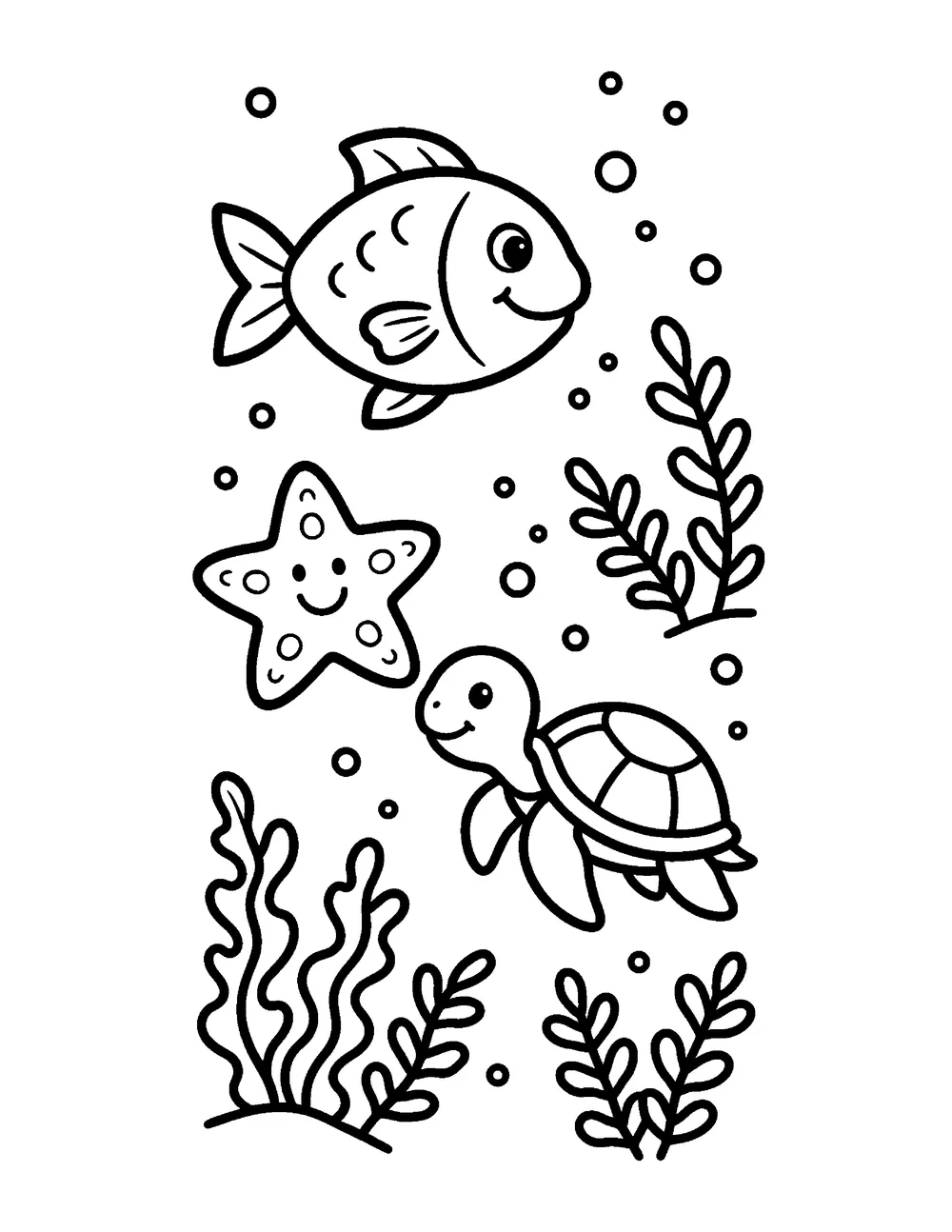
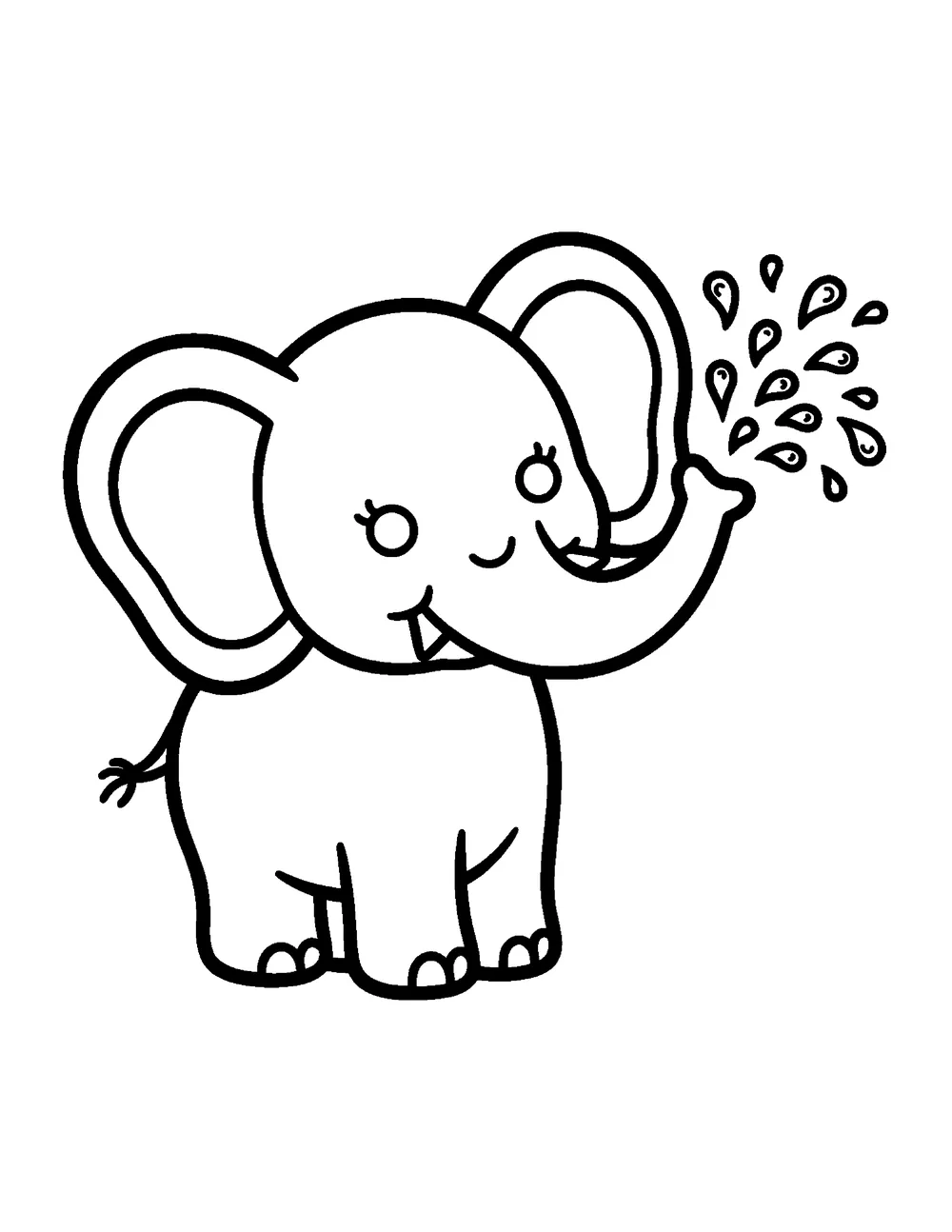
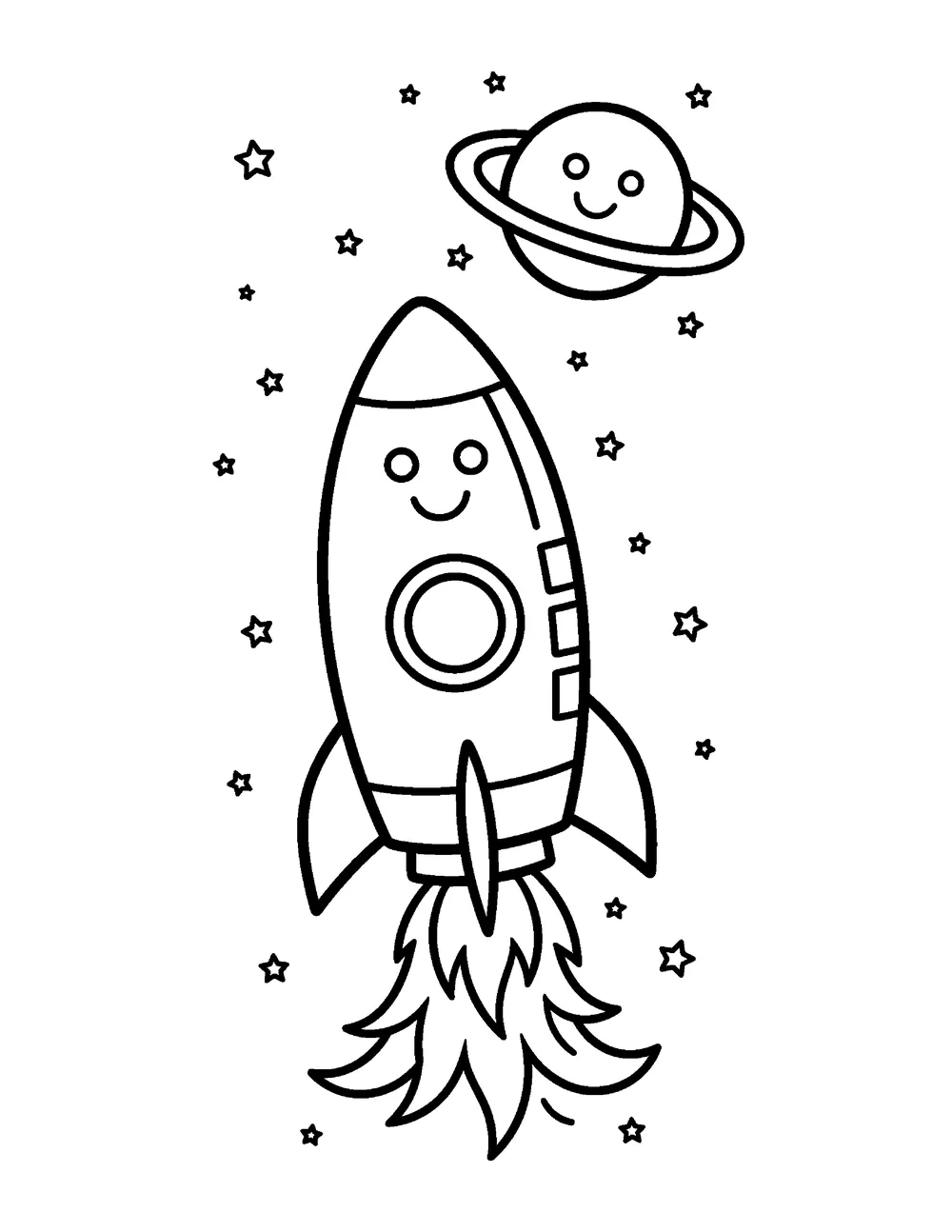
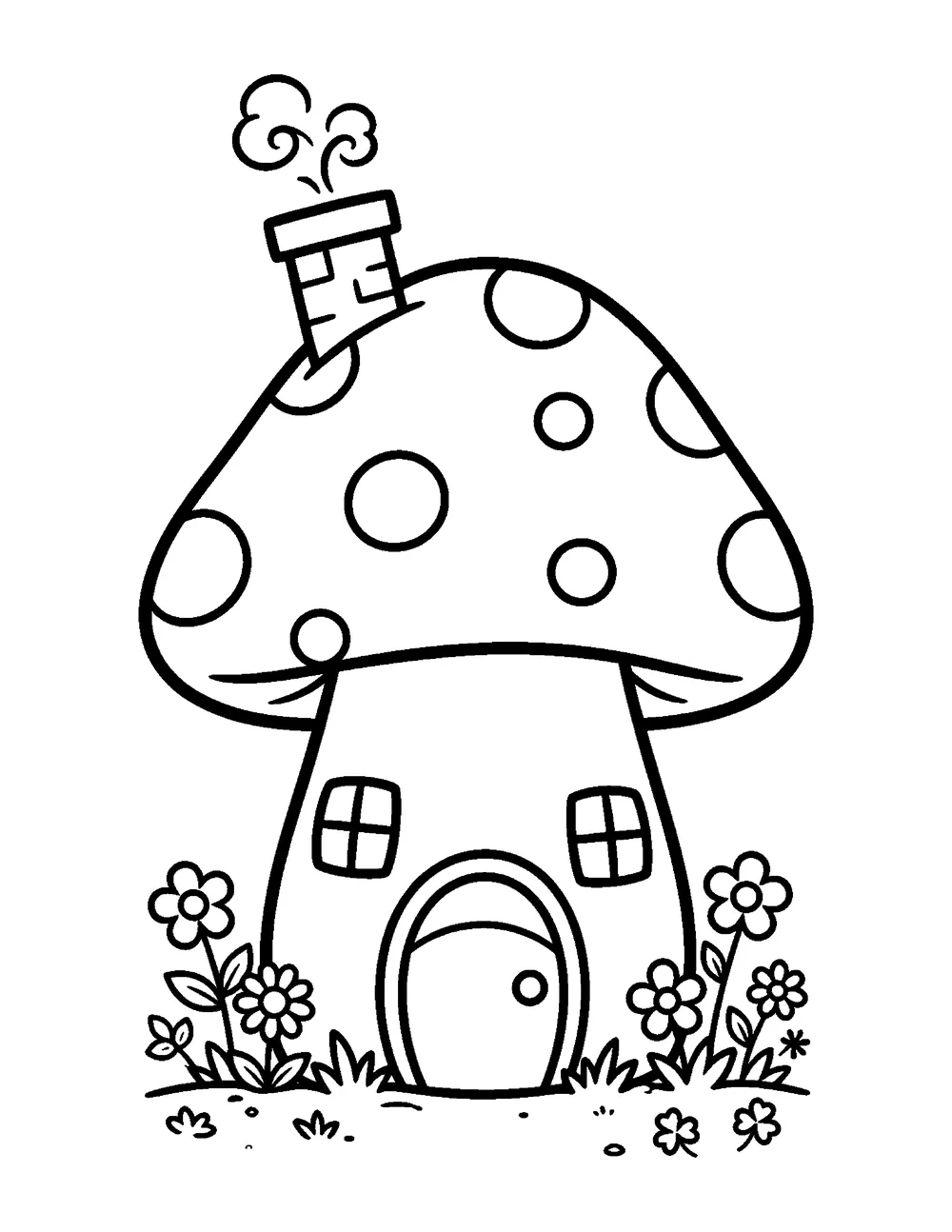
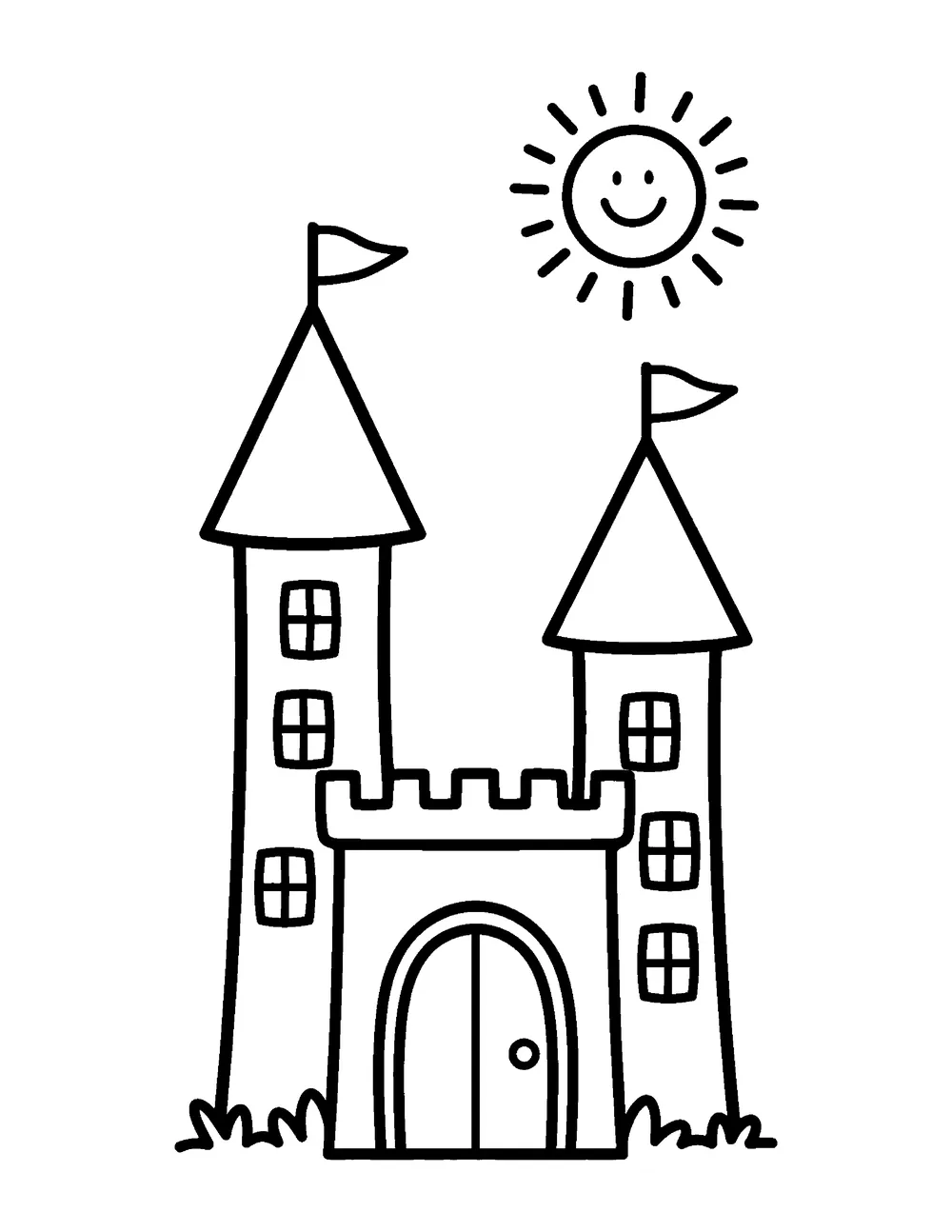
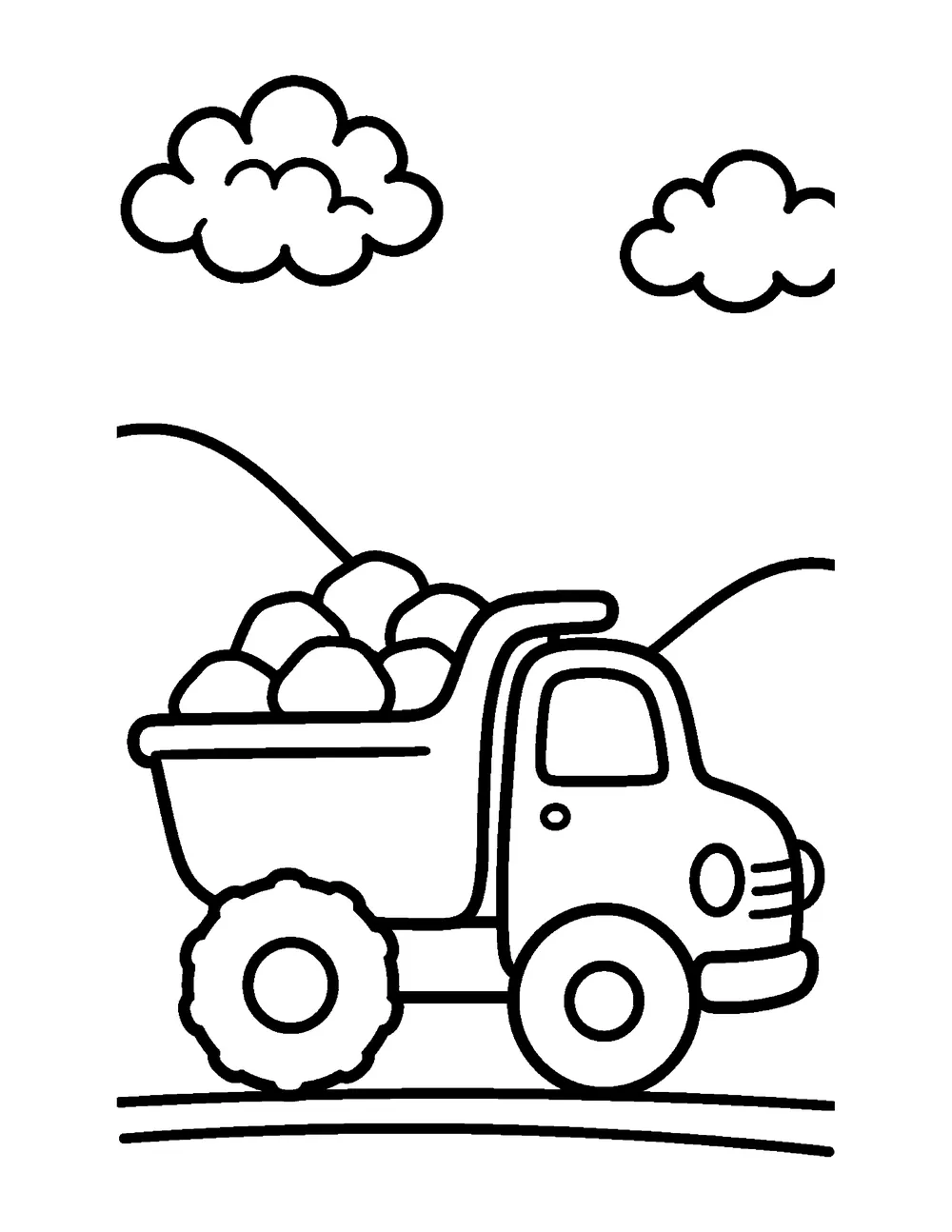
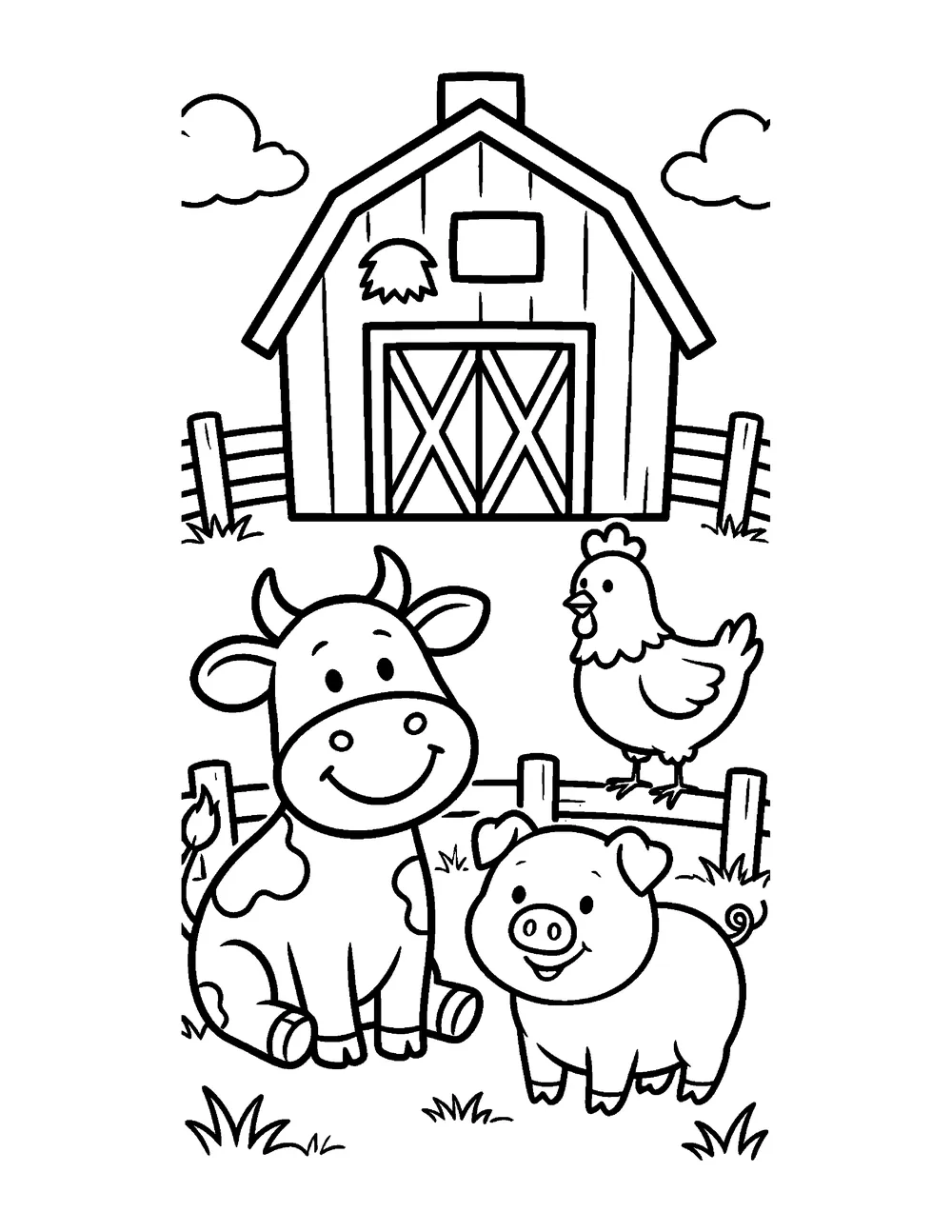


Want the whole set at once? Download all 18 coloring pages in one PDF and print the stack in one go.
Start With the Theme Your Kid Is Obsessed With
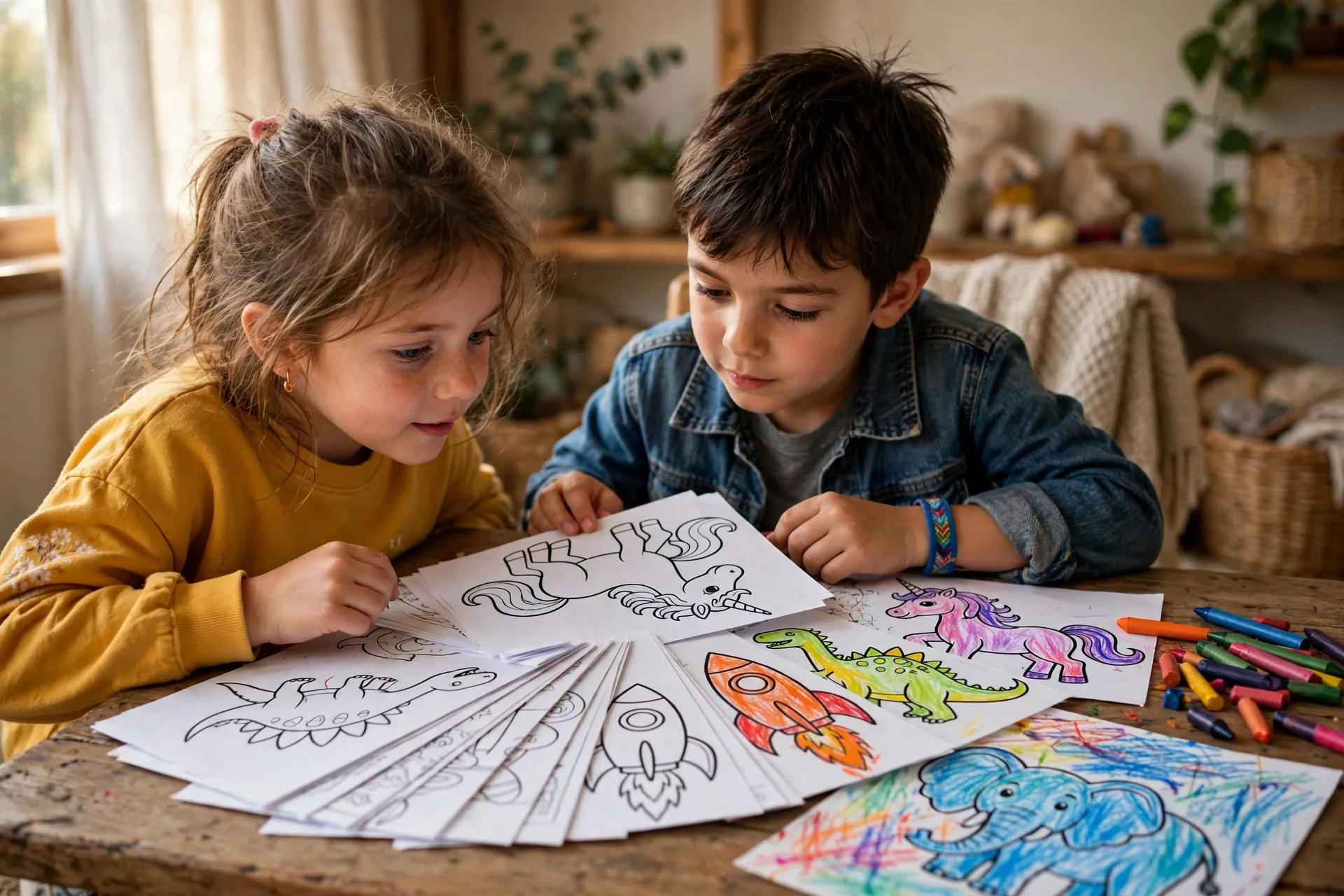
The fastest way to a quiet afternoon is not a new page — it’s the right page. Whatever phase your kid is in (dinosaurs, unicorns, rockets, mushy peas — no judgment), there is a theme guide waiting. These are the favorites our readers open again and again: animals and storybook picks first, then the seasonal sets we rotate through the year.
Animals & storybook favorites
Seasons & holidays
Finding the Right Page
1. Follow the current obsession. Kids color longest when the page matches the thing they already love. A dinosaur kid will color four dinosaur pages in a row and ask for a fifth; a random “cute animals” page gets ninety seconds. Start where their heart already is.
2. For under-4s, go big and bold. Toddlers and young preschoolers need thick outlines and big, simple shapes — one animal, one vehicle, one giant flower. Tiny details and crowded scenes are the number-one cause of “I can’t do it” tears at this age.
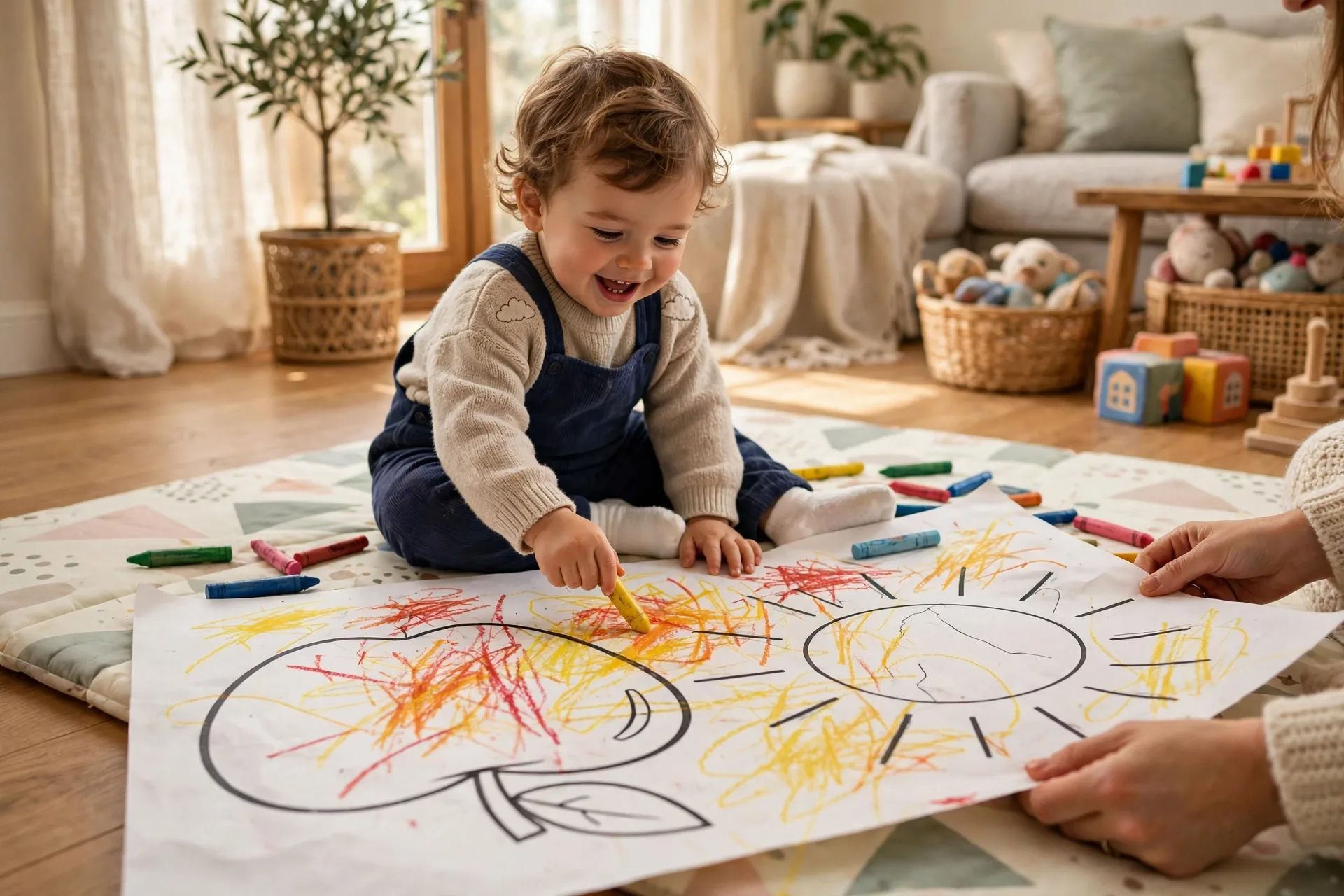
3. Let the detail grow with them. Around 5 to 7, kids start wanting the detailed pages: patterns, backgrounds, little hidden bits. That’s the pencil stage (more on tools below), and it’s when coloring quietly turns into a real fine-motor workout.
4. Print a spare of every favorite. Siblings will want the exact page their brother has — this is a law of physics. And every kid deserves a restart page for the one that went sideways. Two copies cost you one extra sheet; they save the whole session.
5. Build a five-page session stack. Before you sit them down, print a small stack: two favorites, one new theme to try, one easy bold page for the little one, and one detailed page if you have an older kid. A ready stack means nobody is yelling “MOOOM, another one!” every four minutes.
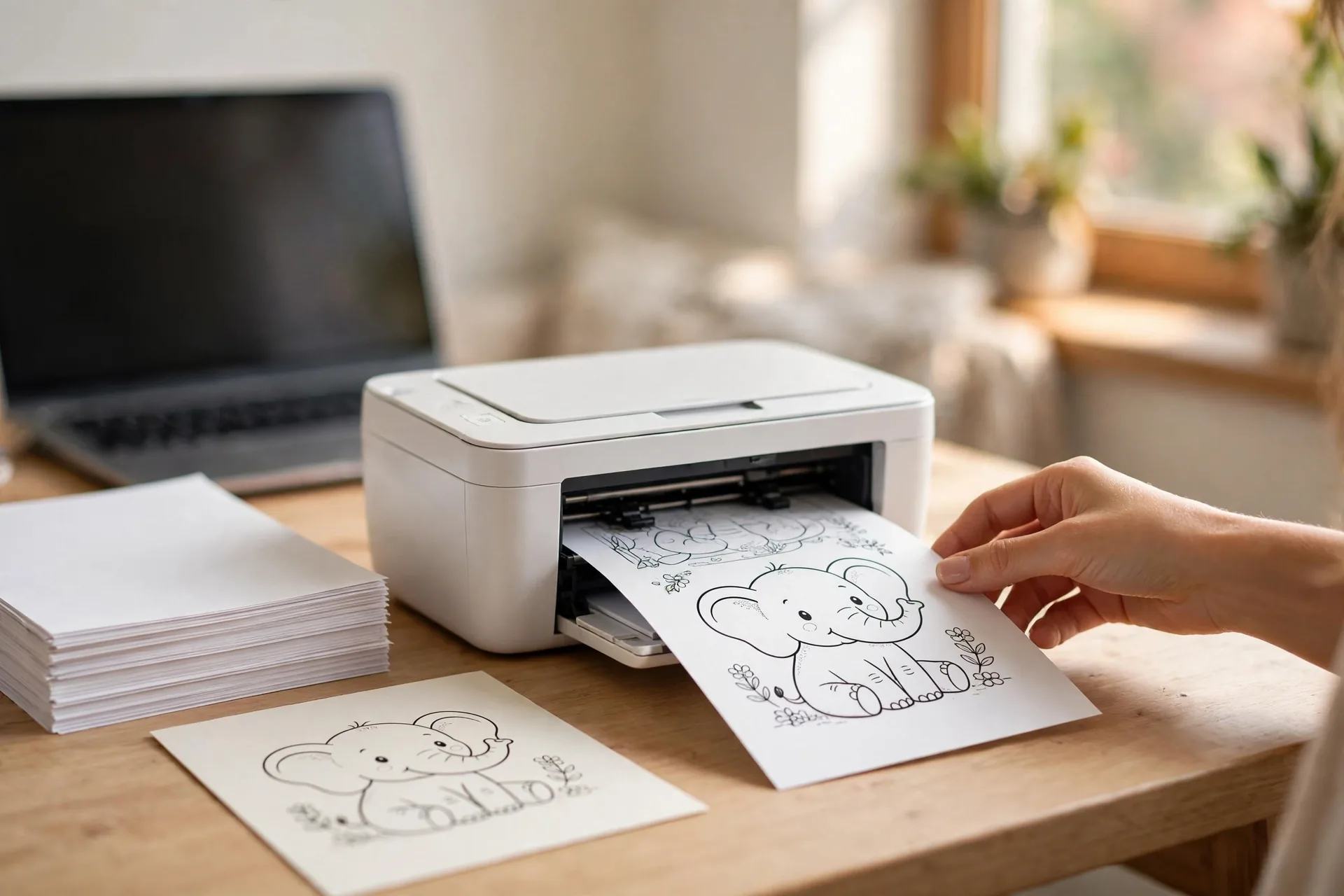
Print It Right: Settings That Save Your Ink
6. Always print on US Letter, fit to page. Our pages are made for standard 8.5 x 11 paper. In the print dialog, choose “Fit to page” (or 100% if the page already fits) so nothing gets clipped at the edges — a cut-off tail or wheel is a tragedy at age four.
7. Print in grayscale or black-and-white. Coloring pages are line art; printing them in “color” mode just burns your expensive color ink for no reason. Set the printer to grayscale/black only once, and it stays your default for every page after.
8. Regular copy paper is fine — most of the time. For crayons and colored pencils, the basic copy paper already in your printer is honestly all you need. It is cheap, it is cheerful, and nobody cries when a page gets crumpled.
9. Switch to cardstock for markers and keepsakes. Markers bleed through thin copy paper and feather at the edges. A light cardstock (the 60–90 lb kind other moms swear by) keeps marker color where it belongs — and it’s the right call for any page destined for grandma’s fridge or a birthday card.
10. Test-print one page before a big batch. Printer low on ink? Lines coming out gray and patchy? Print one page first, check it, then run the stack. A faded page is still colorable, but a whole stack of faded pages is just recycling with extra steps. If the test page comes out streaky, one head-cleaning cycle from the printer’s menu usually brings the lines back — worth the two minutes before you print twenty.
11. Grown-ups run the printer. The printer is a grown-up job at our house — little fingers and paper trays are a jam waiting to happen, and fresh prints sometimes come out warm. Kids choose the page; you press print. That division of labor saves tears and toner.
12. Keep a printed-pages folder. A cheap folder or magazine holder by the printer, stocked with a few ready prints, is the difference between a calm “grab a page” moment and a full production when you’re trying to start dinner. Future you says thanks.
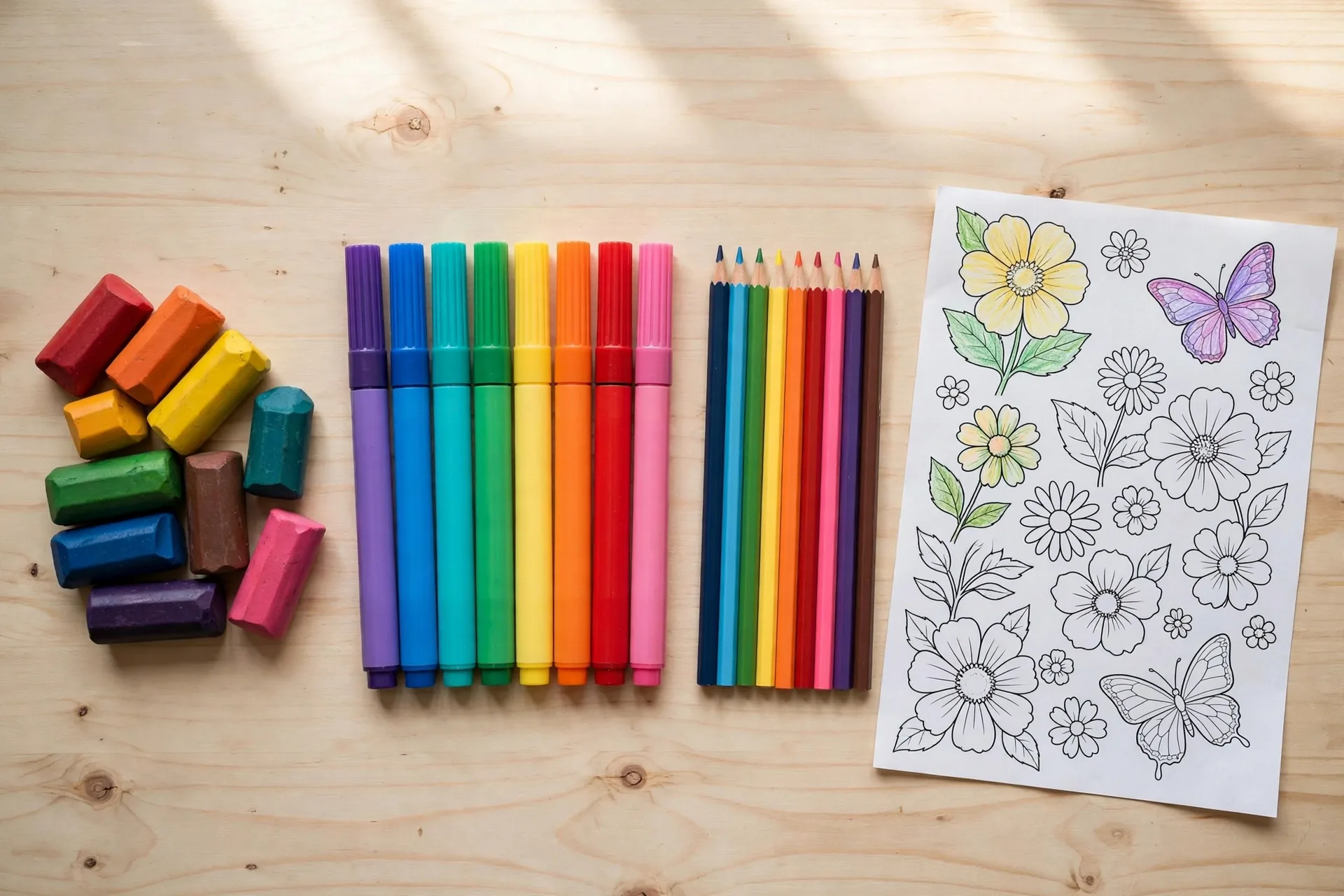
What To Color With (By Age)
13. Ages 2–3: chunky crayons, full stop. Short, thick crayons fit a toddler fist and survive being thrown, chewed on (watch them anyway), and pressed with their whole body weight. This is scribble stage — the page is a suggestion, and going outside the lines is not a mistake, it’s the entire developmental point.
14. Ages 3–5: washable broad-line markers. This is where coloring gets satisfying: big areas fill in fast and the color actually shows up. Our house standard is Crayola’s Ultra-Clean washable markers — whatever brand you choose, “washable” is the word that matters, because markers will end up on hands, sleeves, and at least one wall. Lay a mat or old towel under the page and let them go.
15. Ages 5–7: colored pencils for the detail stage. When your kid starts asking for the pages with patterns and tiny bits, hand over colored pencils — a classic 24-count Crayola set covers every color a page can ask for. Pencils don’t bleed, they sharpen back to a point, and they teach the light-and-heavy pressure control that handwriting will need soon. Watch for the grip shift at this age, too — most kids move from the toddler fist-grip to holding the pencil with their fingers around now, and coloring is the low-pressure practice that gets them there.
16. Ages 7+: paint pens are the level-up. For older kids who’ve outgrown crayons but still love a coloring page, acrylic paint pens lay down bold, opaque color with crisp edges — no water cup, no brush cleanup. They’re also how a printed page turns into something that looks genuinely frame-worthy. Caps on between colors, and this is still a table-only tool at our house.
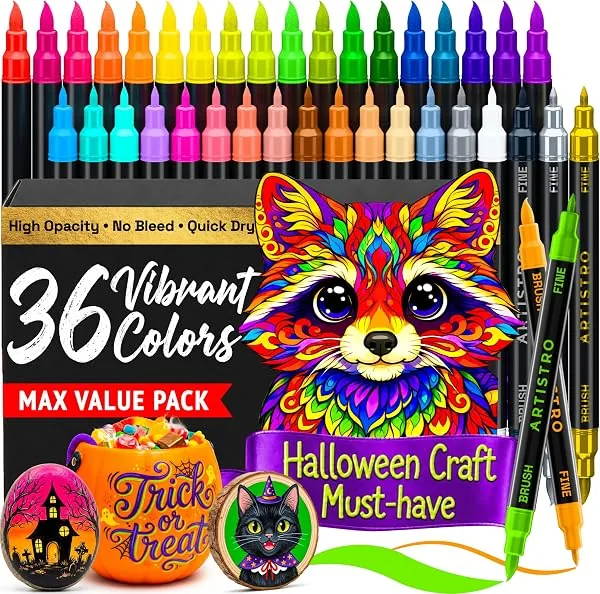
ARTISTRO Acrylic Paint Pens
The level-up tool from #16 — bold, opaque color with crisp edges on printed pages, and no water cup to knock over. Grown-ups: caps back on between colors keeps the tips alive.
17. Retire the dried-out markers. A shoebox of half-dead markers is why kids abandon pages halfway. Once a month, test the set on scrap paper and toss the scratchy ones. A small, working set beats a giant, disappointing one — and a fresh set of colors makes old favorite pages feel brand new.
18. One cup, one home for everything. Crayons in a cup, markers in a pouch, pencils in a tin — everything in one coloring basket that lives in one place. When the tools have a home, kids can start (and, dream with me, tidy) coloring time on their own.
Make Coloring Time Actually Work
19. The two-page quiet-time rule. Our quiet time deal: you may leave the table when two pages are done — or when the timer ends, whichever comes second. A tiny finish line turns “I’m bored” into a mission, and most days they blow straight past two pages once they’re in the zone. For the 2-year-old the deal is simpler: when the big kids are coloring, she colors. Parallel quiet counts as quiet.
20. Color with them sometimes. Pull up a chair and color your own page once in a while. It feels indulgent; it is actually strategy. Kids color longer next to a coloring grown-up, and some of the best conversations in our house happen side-by-side over a dinosaur page, when nobody has to make eye contact.
21. Take pages on the road. A clipboard, five pages, and a pouch of pencils is a restaurant kit, a waiting-room kit, and a grandma’s-house kit in one. Print before you leave — “we’ll print there” is a lie we have all told ourselves.
22. Read, then color. Pair the page with its story: read a dinosaur book, color the dinosaur. Read about rockets, color the rocket. The page sticks in their memory when it arrives with a story attached, and it buys you a two-part activity from one library trip’s worth of effort.
23. Name and date every keeper. When a page is finished and they’re proud of it, write their name and the date on the back together. It takes ten seconds, and it turns a pile of pages into a timeline of their childhood you will be genuinely glad you kept.
24. Turn favorites into real things. A beloved finished page is raw material: fold it into a card for grandma, cut out the character for a puppet, or back it and hang it properly (next section). And when a coloring session is going well and nobody wants it to end, that’s your cue to graduate to a full project from our Easy Kids Craft Ideas — the natural next step once the pages run out.
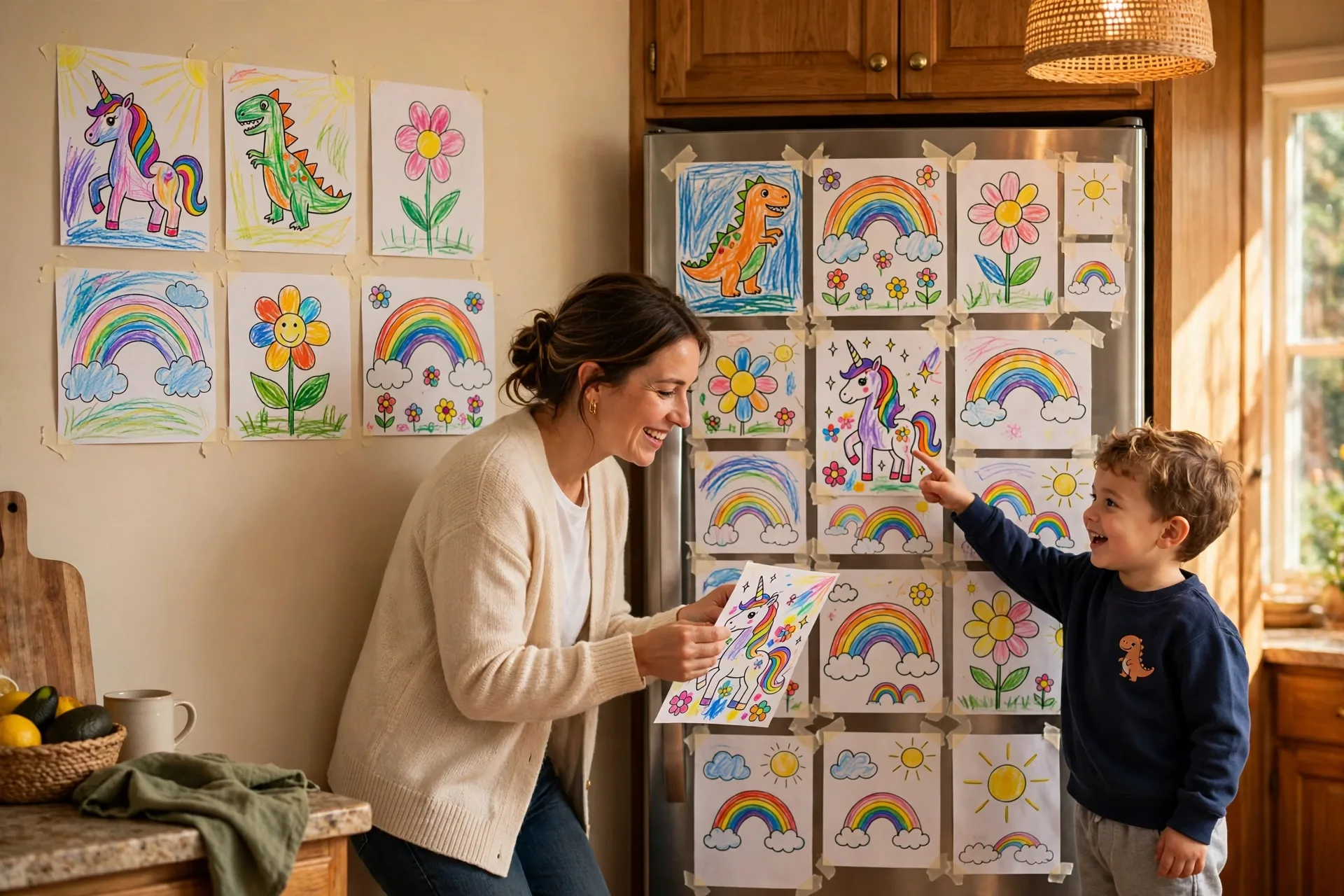
Display It, Gift It, Keep It
25. Run a fridge gallery with a rotation rule. The fridge (or one kitchen wall) is the gallery; the rule is one in, one out. New masterpiece goes up, the oldest comes down into the keepsake folder. The rotation keeps the gallery fresh and quietly teaches kids that display space is an honor, not a default.
26. Back the keepers on construction paper. A finished page glued onto a slightly larger sheet of colored construction paper instantly looks like art — the colored border does the framing for free. This is exactly what our big 480-sheet pack is for; it lives next to the printer for gallery duty.
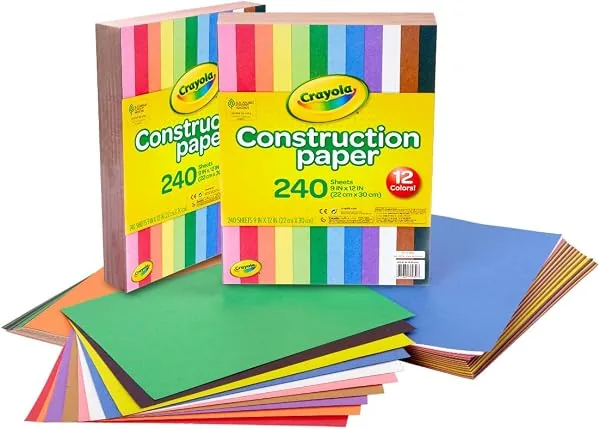
Crayola Construction Paper — 480 Sheets
The gallery supply from #26 — back a finished coloring page on a colored sheet and it looks framed. The big pack lives by our printer for exactly this job.
27. Mail one to a grandparent. A colored page in an envelope is the highest-value mail a grandparent can receive, full stop. Let your kid pick the page, sign the back, and walk it to the mailbox themselves. Expect the phone call. It will make their week.
28. Keep a slim keepsake folder, not a mountain. One folder per kid per year: the dated favorites, the funny ones, the first page where they stayed in the lines on purpose. Everything else gets photographed and recycled without guilt. A curated folder gets looked at; a guilt-mountain in a closet does not.
Quick Picks: Pages & Tools by Age
| Age | Page style | Best tool | Start here |
|---|---|---|---|
| 2–3 | One big shape, thick lines | Chunky crayons | Elephant Coloring Page Printable |
| 3–5 | Bold themes, some background | Washable broad-line markers | Unicorn Coloring Pages |
| 5–7 | Patterns & detail appearing | Colored pencils | Rocket Ship Coloring Page Printable |
| 8+ | Detailed scenes | Colored pencils, paint pens | Mushroom House Coloring Page Printable |
Shop This Post
Everything we used in this guide, in one place:
| Product | Used For | Price |
|---|---|---|
| ARTISTRO Acrylic Paint Pens |
Detailed pages for older kids (#16) — the frame-worthy finish | Check Price |
| Crayola Construction Paper — 480 Sheets |
Backing finished pages for the fridge gallery (#26) | Check Price |
Coloring Questions Moms Actually Ask
Are the coloring pages really free?
Yes — the theme guides in this library are free to open and print from at home, with no account or sign-up. Print as many copies as your own kids (or your own classroom) need; just don’t sell the pages or share them as your own files.
What’s the best paper for coloring pages?
Regular copy paper for crayons and pencils — don’t overthink it. Step up to light cardstock when markers enter the picture (it stops bleed-through) or when a page is a keeper you plan to display or mail.
Why did my page print faded or cut off?
Two usual suspects: the print dialog wasn’t set to “Fit to page” (edges get clipped), or the printer was still in a photo/color mode with a low cartridge. Set Letter size, fit to page, grayscale — and test-print one page before a batch.
What should my 2-year-old start with?
The simplest pages you can find: one big animal or shape with thick outlines, chunky crayons, and zero expectations about lines. Scribbling is the activity at two — the grip, the pressure, and the color-choosing are all doing real work.
Can I print these for my classroom or homeschool?
Yes — printing for your own students is exactly the kind of use these pages are for. Print class sets from the theme guides, and keep a printed-pages folder by the classroom printer for early finishers.
More family guides on MamaKinder
However your coloring time looks — a five-minute coffee break or a whole rainy Saturday — the library is here when you need it. Pick a theme, print a small stack, and let the quiet begin. And when the colored pages start taking over the house, you know where the craft ideas live.