Thanksgiving Pass the Prize Game: A Simple How-to Guide
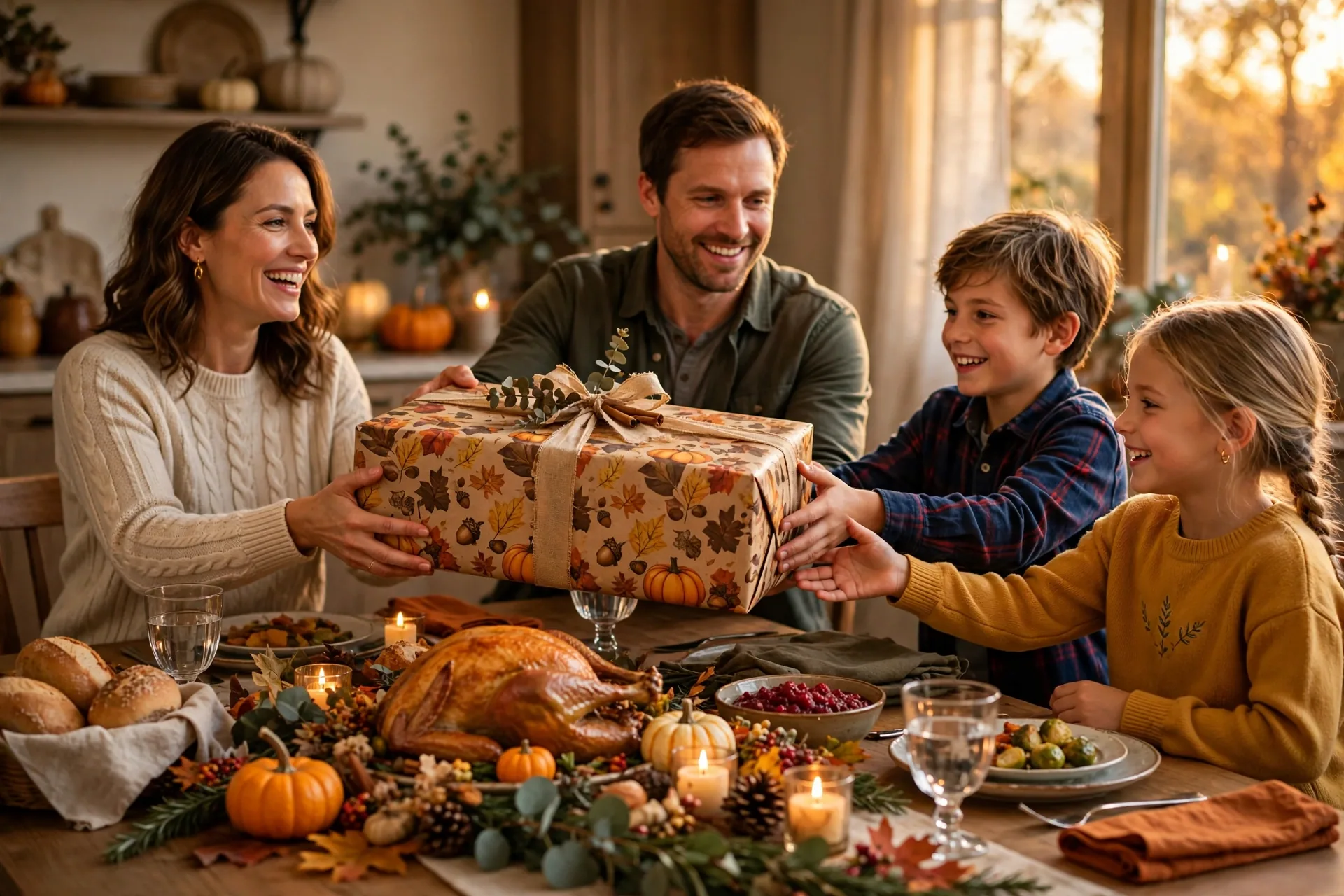
Two Thanksgivings ago, the dead hour hit at 3 p.m. Dinner was still an hour out, my four-year-old had climbed onto the back of the couch and declared herself “the boss of everyone,” and my two-year-old was opening and closing the same cabinet door on repeat. The cousins were circling each other, grandma was napping in the good chair, and I had nothing. Then I remembered the game from my own childhood birthdays: a prize wrapped in a ridiculous number of layers, a circle of kids, music, and the thrill of peeling off exactly one layer when the music stopped.
I wrapped a bag of candy in six layers of leftover wrapping paper, stuck my phone in a mug for a speaker, and we played it twice before the turkey came out. The four-year-old still calls it “the unwrap game. With the little surprises inside.” The nine steps below cover everything, from picking your version to the fairness rules that keep the peace.
Heads up: this post contains affiliate links. If you buy through them, MamaKinder may earn a small commission at no extra cost to you. It helps keep these guides free.
Why This Game Owns Thanksgiving
Nobody needs a store run. The whole game is a prize, wrapping paper, and your phone. On Thanksgiving Day, when every store is closed, that is not a convenience, it is the whole point.
Four-year-olds and eighty-year-olds play at the same table. No reading speed, no trivia memory, no balance required. Hold the parcel, pass it, peel a layer. That is the entire skill set.
It fills the dead hour. Between arrival and dinner, or between the plates clearing and dessert, there is always a stretch where the energy goes weird. This game drops into that gap and fixes it in ten minutes.
Zero cleanup. The only mess is torn wrapping paper, straight into the recycling bag.
Step 1: Pick Your Version
There are two classic ways to play, and you pick one before you wrap a thing.
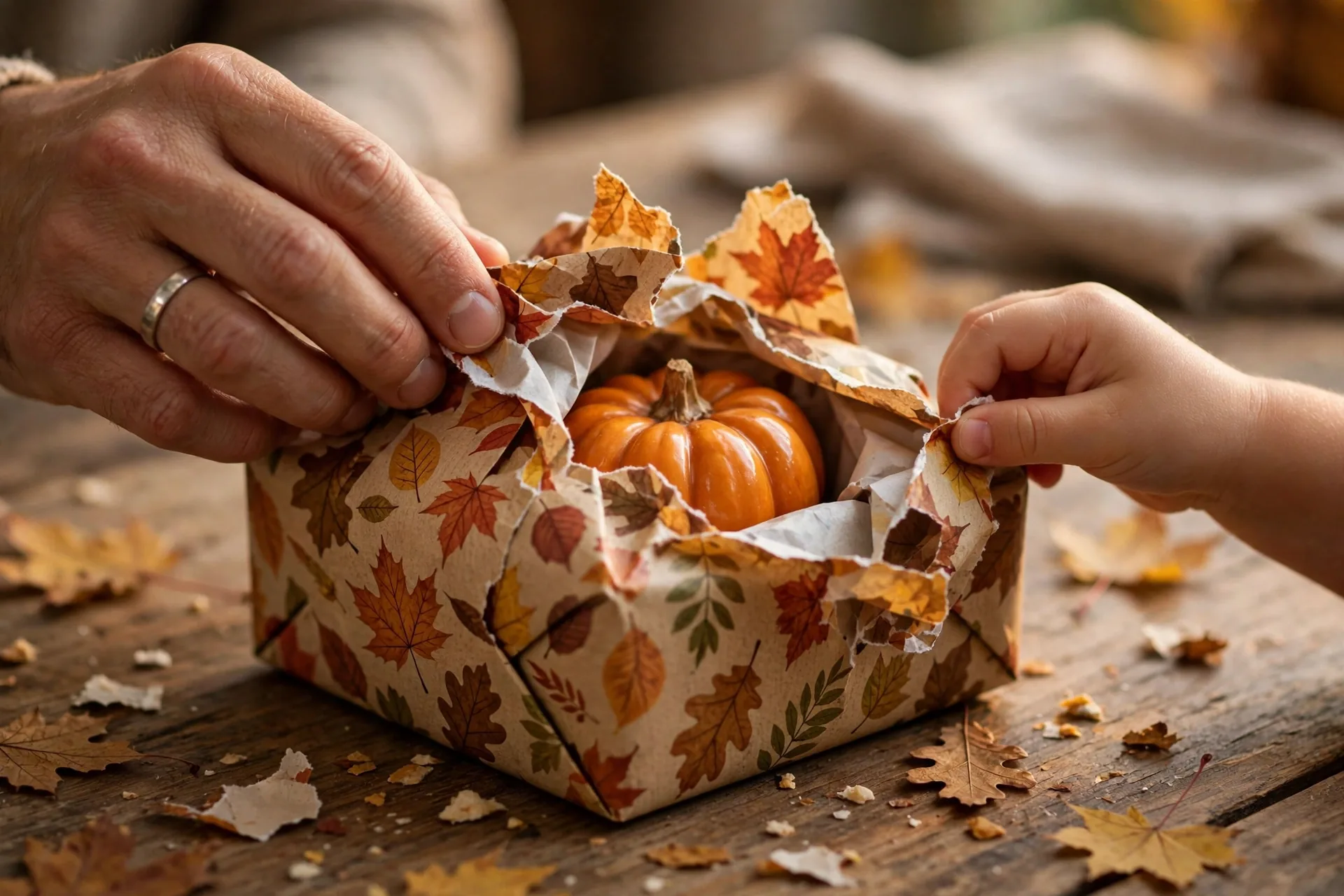
Version A: Music-stop layers. The original pass-the-parcel. Music plays, the parcel travels around the circle, the music stops, the holder peels off exactly one layer and claims whatever is under it. Repeat until the final layer, whose unwrapper gets the main prize. Best for young kids.
Version B: Read-aloud poem. One person reads a rhyming poem aloud and each line tells the group who gets the parcel next. The person holding it at the end opens it. Four sample lines I wrote for our table:
“Thanksgiving is here, so let’s have some fun,
pass the prize to the youngest one.
Now give it to someone wearing orange or red,
then hand it to the one who helped bake the bread.”
Best for older kids, classrooms (it sneaks in listening practice), and adults who love the funny directions. One catch for Version B: write your poem AFTER you know your group, and count the passing lines so the last one lands on a real player. The steps below walk through Version A in detail; wherever Version B differs, I note it.
Step 2: Build the Prize Parcel
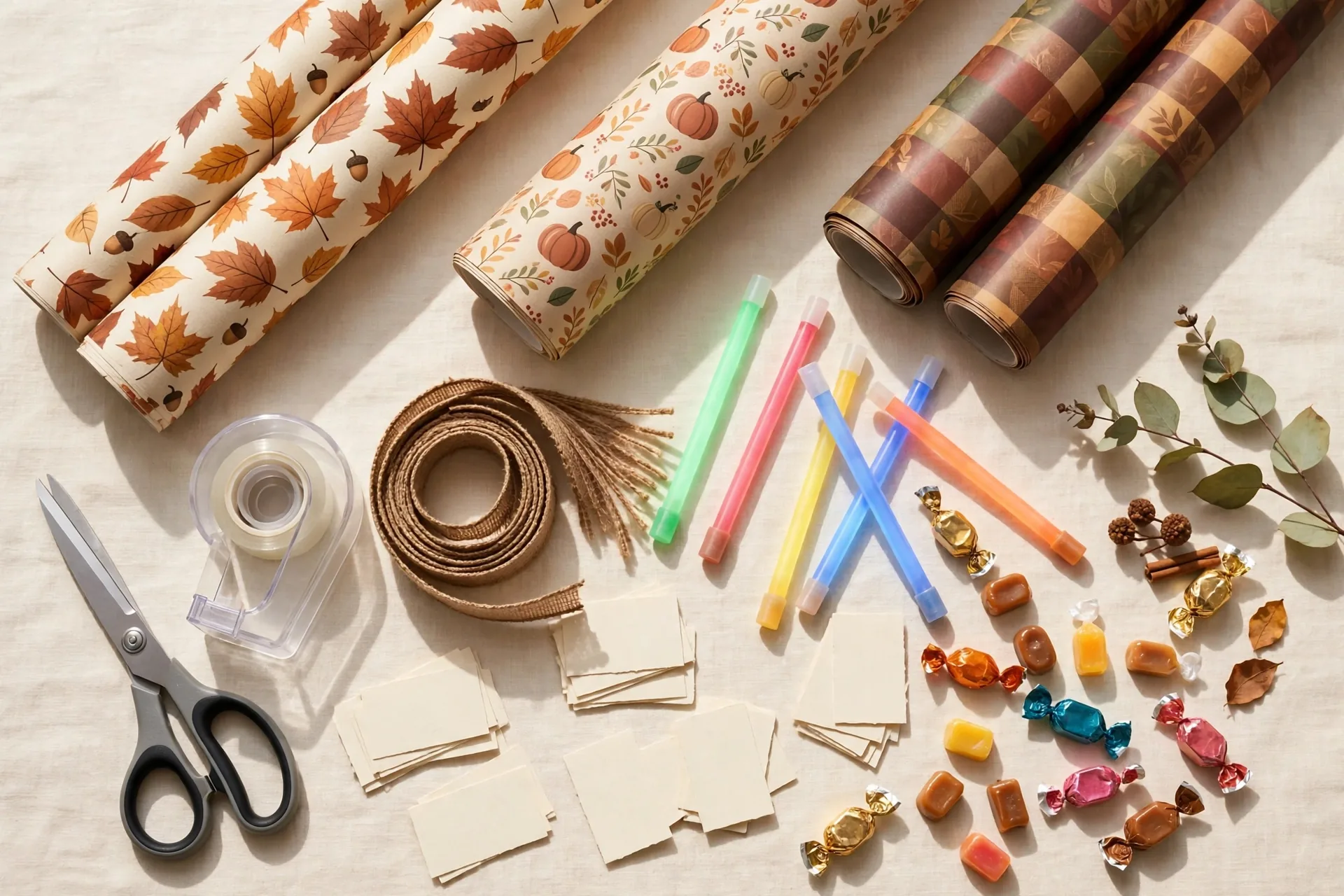
Start with the main prize at the center. Then wrap, and wrap again, and wrap again.
The layer rule: wrap at least one layer per player. Eight players means eight layers minimum, which lets the music boss stop once on everyone in Version A. Ten players, ten layers. If the parcel gets fat before you run out of layers, switch to tissue for the inner ones.
Use a different paper pattern for each layer. This is the old pass-the-parcel rule, and it exists so everyone can SEE a layer come off and cheer for it. Three or four wrapping paper designs, alternated, is plenty. Any wrapping paper you own works; this is a use-up-the-leftovers game, not a buy-new-paper game. A grown-up does all the cutting, and tape beats ribbon for the inner layers so the peeling stays quick.
Wrap snugly. A loose layer slides off in someone’s lap and spoils the moment. A snug layer that takes ten seconds of real peeling is the sweet spot.
Step 3: Tuck Surprises Into the Layers
Between each layer, hide something small. The holder peels, finds a mini surprise, and keeps it. Even the players who don’t get the main prize walk away with something, which is the whole reason nobody cries at the end.
What goes in each layer:
- Outer layers: single candies, stickers, a funny handwritten note.
- Middle layers: mini erasers, temporary tattoos, a packet of hot cocoa mix.
- Two layers from the center: the good stuff, because the suspense peaks here. A $5 coffee gift card, cozy socks, a small puzzle.
Keep layer prizes chunky for under-threes: small candies and erasers are choking hazards, so toddlers only get big, soft layers, or they watch from a grown-up’s lap.
Glow sticks are my favorite layer surprise for the evening round. They are cheap, every age loves them, and once the sun sets they turn the backyard into the after-party. A grown-up cracks and activates the sticks; little hands do not do the bending. PartySticks glow sticks (100 pack) is the box I point people to, because one box covers every layer prize, the winner’s prize, and the sibling who “didn’t win anything.”
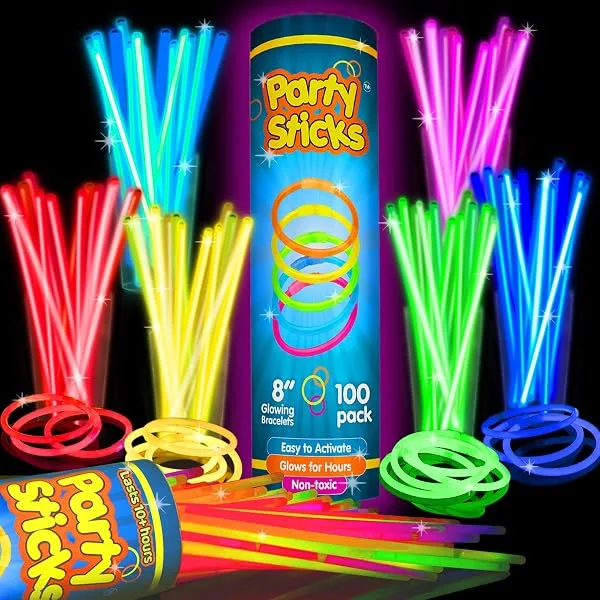
Glow Sticks — 100 Pack
One box covers every layer prize, the winner’s prize, and the sibling who “didn’t win anything.” A grown-up cracks and activates the sticks; little hands do not do the bending.
Step 4: Print the Trivia Slips
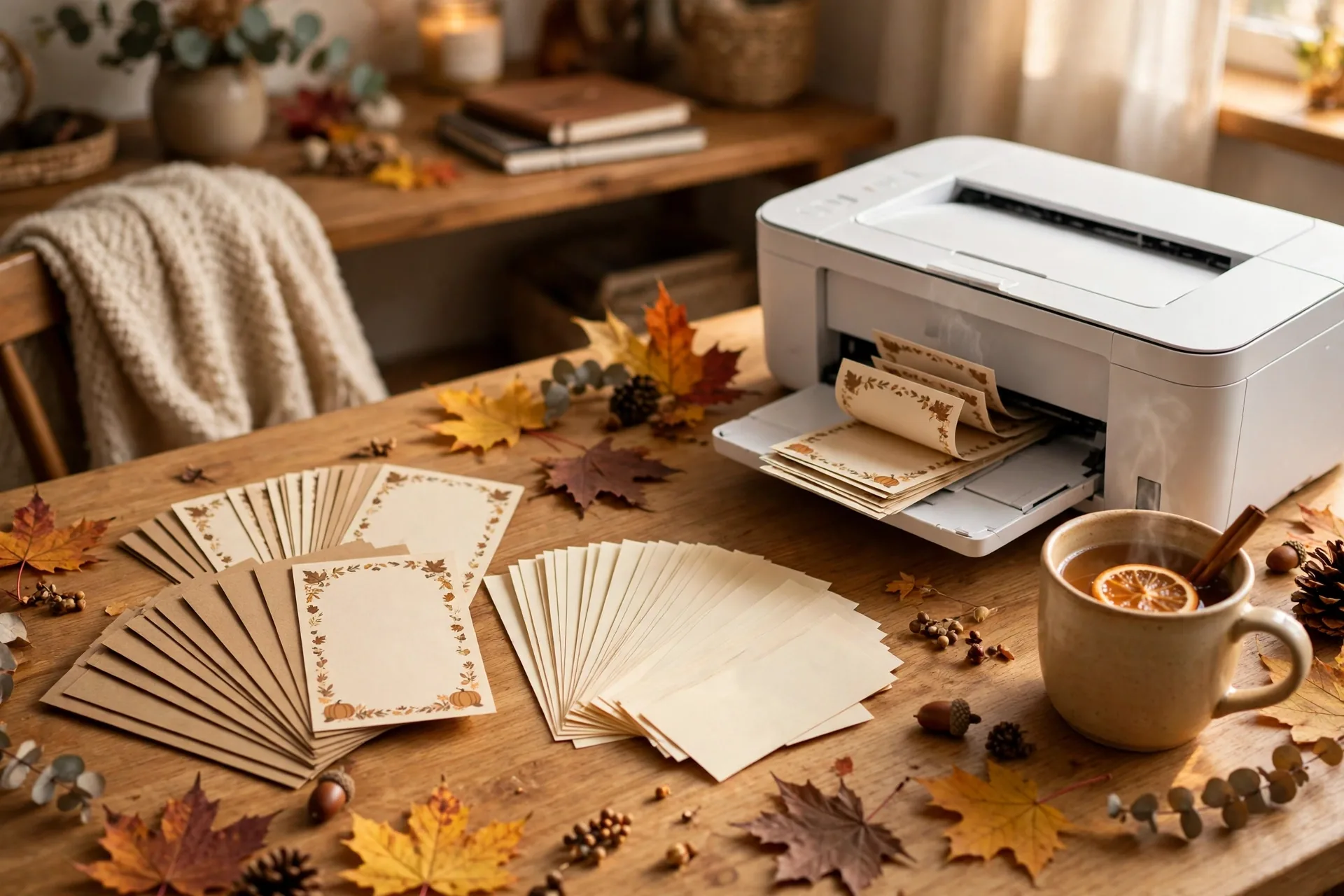
Tuck a folded trivia slip between some of the layers. When a player peels a layer with a slip, they read the question aloud. Get it right and the whole table cheers; get it wrong and the table groans lovingly and moves on. No points, no penalty, just a laugh. It is the easiest way to make the game feel Thanksgiving-y instead of generic.
Eight sample questions for a mixed-age table:
- What meat is the centerpiece of a traditional Thanksgiving dinner?
- Name one thing pumpkins are used to make besides pie.
- True or false: Thanksgiving is always on a Thursday.
- What do you call a baby turkey?
- Which President made Thanksgiving a national holiday?
- Name two things you might be thankful for that cost nothing.
- Cranberry sauce is made from what fall fruit?
- Who at this table traveled the farthest to be here today?
Print two or three slips per page, cut them apart, and fold each one before tucking it in. For stacks of slips, Epson’s EcoTank ET-2800 is the printer I point people to: refillable ink tanks instead of cartridges keep the per-page cost tiny, and Epson rates one ink set at up to 4,500 black and 7,500 color pages. No printer? Hand-write the slips on Crayola construction paper (480 sheets) and let the kids decorate the borders.
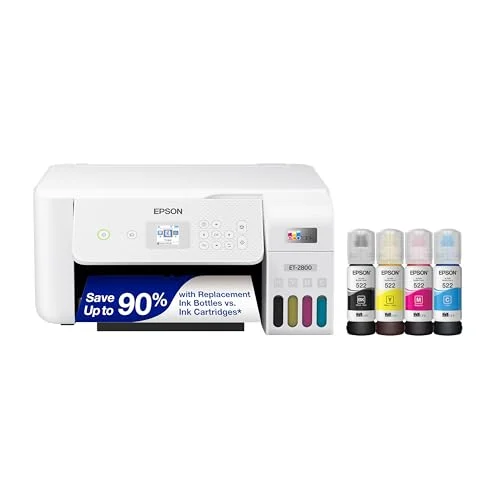
Epson EcoTank ET-2800 Printer
For stacks of slips, the EcoTank ET-2800 uses refillable ink tanks instead of cartridges, and Epson rates one ink set at up to 4,500 black and 7,500 color pages.
Step 5: Gather Your Supplies
Lay everything out before the guests arrive. The game should start in ninety seconds flat when the dead hour hits.
The checklist: the finished parcel, your phone with a playlist queued (or your printed poem for Version B), a bag for torn paper, and scissors only if someone might need to rescue a stubborn layer (the grown-up keeps them). Crayola’s 480-sheet construction paper pack also makes the best parcel decoration: cut leaf shapes and tape them onto the outer layer, and let the kids decorate the trivia slips before dinner. It doubles as a pre-game activity for the four-year-old who keeps asking when dinner is ready.
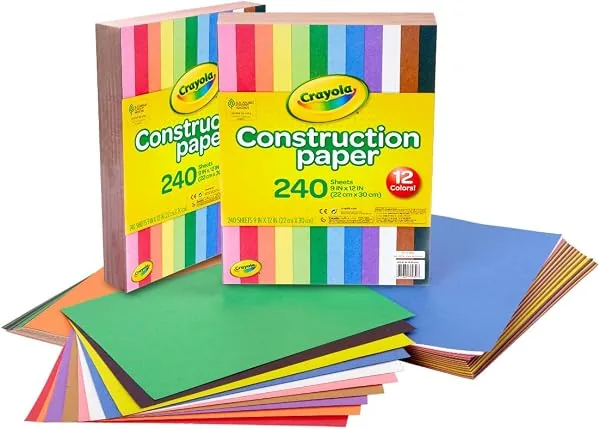
Crayola Construction Paper — 480 Sheets
Cut leaf shapes to decorate the outer layer, and let the kids decorate the trivia slips before dinner. 480 sheets in assorted colors.
For the music (Version A): queue a playlist of upbeat songs, not one track on repeat, and hand the phone to the music boss BEFORE the circle forms.
For the poem (Version B): print or hand-write it in big letters for the reader, and write the final line LAST, after you know exactly who is sitting where. Seating charts change when grandma claims the good chair.
Step 6: Gather Everyone and Name Your Music Boss
Circle up. Dining chairs pulled into a ring, the living-room floor, the classroom rug, anywhere everyone can reach everyone else. The parcel starts with anyone except the music boss.
The music boss does not play. This is the fairness engine of the whole game. Pick a grown-up (or a responsible teen) who sits OUT, holds the phone, and stops the music. Their one job: make sure the music stops once on every player before anyone gets a second turn. Say that rule out loud before you start, and you stop the “she always picks HER kid” fight before it begins.
The reader (Version B) needs a loud, clear voice. Pick someone who will ham it up. Dramatic pauses are free entertainment. If a confident older kid wants the job, let them.
Say the rules once, out loud, before the first pass: peel only ONE layer per stop, claim what is under it, pass gently, no yanking the parcel out of anyone’s hands.
Step 7: Play
Music on, parcel moving, everyone watching the music boss’s thumb like it holds the secrets of the universe.
Pass, stop, peel, claim. The parcel travels hand to hand while the music plays. When it stops, the holder peels off exactly ONE layer, claims whatever surprise was under it, and the music starts again. If that layer had a trivia slip, read it aloud now. Then pass.
Two rules that prevent the two classic arguments. First, the peel happens in the circle, where everyone can see the layer come off. Second, if the music stops mid-pass, the person RECEIVING the parcel is the holder. Say both before you start and you will never have the argument.
For Version B, the loop is different: the reader reads one line at a time, the parcel moves to whoever the line names, and the holder does NOT peel. The unwrapping happens once, at the end, by the final holder. If two people fit a description, the current holder picks. That picking moment is half the fun, so never rush it.
Step 8: Run the Fairness Rules
The game is only as good as its fairness, and fairness is the host’s job.
Everyone gets one unwrap turn before anyone gets two. The music boss tracks this quietly. In a mixed-age group this matters more than anything else, because the seven-year-old will absolutely notice if the music keeps landing on the same teenager.
The host’s call is final. Questionable peel or dropped parcel? The host decides, everyone moves on.
Shy kids get a buddy pass. If a little one freezes when the music stops on them, the host smiles and lets them peel with a grown-up’s help, or quietly moves the parcel along with zero commentary. The kind version of this game is the one they ask to play again.
Classroom version: run Version B with the poem, and make every direction a name or a seat (“pass it to the person in the blue shirt”), never a judgment. The teacher reads, the final holder opens the class prize, and every layer holds a sticker or pencil so all thirty kids win something.
Step 9: Crown the Winner and Start the Rematch
The final layer comes off. Someone is holding the main prize. Cue the cheers. The unwrapper holds the prize up like a trophy while the table applauds. Photos happen here. Then hand every other player a small consolation treat, a candy or a sticker, on the spot. Nobody leaves the circle empty-handed.
Then ask the magic question: “Rematch?” Change one thing for round two so it feels new:
- Pass the pumpkin: swap the parcel for a mini pumpkin and run Version B. Whoever holds the pumpkin at the end wins the prize.
- Everyone wins: every layer holds a real gift, one layer per person. Best for classrooms and big kid crowds.
- Friendsgiving adults: harder trivia slips, and funny dares instead of candy. (“Do your best turkey impression before you pass.”)
- Plastic-wrap ball: for the rowdy crowd, wrap the gifts in a giant ball of plastic wrap instead of layered paper. Players take turns tearing at it while the next person waits. Messier, louder, unforgettable.
When to Play It
The dead hour between arrival and dinner is the classic slot: ten minutes of passing and peeling resets the room’s mood. The second-best slot is right after the plates clear and before dessert.
Roughly one minute per layer, plus three minutes of setup talk:
| Players | Layers | Time needed |
|---|---|---|
| 4 to 6 | 6 to 8 | 10 to 12 minutes |
| 8 to 12 | 10 to 14 | 15 to 20 minutes |
| 12 or more | 16+ | 25 minutes, or run two parcels at once |
For twelve or more players, run two parcels in two circles at the same time.
Keeping It Kind
A grown-up wraps, cuts, and runs the music. Scissors stay in grown-up hands during the build, the music boss is a grown-up or a responsible teen, and the torn-paper bag goes where the two-year-old cannot reach it.
Small layer prizes are for big kids only. Anything that fits through a toilet-paper tube is a choking hazard for under-threes. Toddlers get the big soft layers, spectate the candy layers from a grown-up’s lap, and join the final unwrap as the guest of honor.
Pass, don’t throw. The parcel moves hand to hand. No tossing it across the circle, no yanking it out of small hands. Glow sticks, if you use them as layer prizes, are cracked and activated by a grown-up, never by little hands.
Cheer for every unwrap, not just the final one: the whole point of the layers is that everyone gets a moment.
Shop This Post
Everything used in this guide, in one place:
| Product | Used For | Price |
|---|---|---|
| Glow Sticks — 100 Pack |
Layer prizes + winner’s prize | Check Price |
| Epson EcoTank ET-2800 Printer |
Printing the trivia slips cheaply | Check Price |
| Crayola Construction Paper — 480 Sheets |
Parcel decoration + hand-written slips | Check Price |
Frequently Asked Questions
What is the Thanksgiving Pass the Prize Game? A circle game where players pass a multi-layered wrapped parcel while music plays. When the music stops, the holder peels off one layer and claims the surprise under it. The final layer holds the main prize. It is the American name for the British classic pass-the-parcel.
How many layers should I wrap? At least one layer per player, so everyone gets an unwrap turn. Use a different paper pattern per layer so each peel is visible, and tuck a small surprise or trivia slip between most layers.
What do you put between the layers? Cheap thrills on the outside (candy, stickers, notes), better surprises in the middle (hot cocoa packets, glow sticks), and the best surprise one or two layers from the center (a gift card, cozy socks).
Music version or poem version, which is better? Music-stop suits young kids and big groups because it needs no reading. The read-aloud poem suits older kids, classrooms, and adults who enjoy the funny directions. Both use the same parcel.
How long does the game take? About one minute per layer: 10 to 12 minutes for six players, 15 to 20 for ten. For twelve or more, split into two circles with two parcels.
Can we play it in a classroom? Yes. Run the poem version with name-or-seat directions, make every layer hold a sticker or pencil so every kid wins something, and end with a class prize like extra recess.
Wrap It, Pass It, Win It
Nine steps: pick your version, build the parcel, tuck in the surprises, print the slips, gather the supplies, circle up, play, keep it fair, crown the winner. Ten minutes of prep the night before, ten minutes of chaos on the day, and a story the kids will retell at every Thanksgiving for years.
Our table’s second round ended with my mother-in-law demanding the music stop on her and my four-year-old negotiating for “one more layer, just one.” We gave her the rematch. You will too. Happy Thanksgiving, mama.
More Thanksgiving guides on MamaKinder