Halloween Phobia Match Trivia Game: How to Play and Win

The first time I heard the word “samhainophobia,” I was at a neighborhood Halloween party, and someone said it at the snack table with total confidence. I nodded like I knew it. I did not know it. (It is the fear of Halloween itself, which I fittingly learned about on Halloween.) That night turned into the best party game our street has played in years: matching the spookiest-sounding words in the English language to the fears they actually mean. Arachnophobia is the free point. Selachophobia will start an argument. And triskaidekaphobia is genuinely fun to say after two cups of cider.
Here is the full game: what you need, the rules, scoring that keeps it fair, a bank of 15 verified spooky pairings with pronunciation help, and four versions for kids, classrooms, teams, and speed rounds. If you can cut paper and read a list out loud, you can run this game tonight.
Heads up: this post contains affiliate links. If you buy through them, MamaKinder may earn a small commission at no extra cost to you — it helps keep these guides free.
Quick Picks: Which Version Tonight?
| If this is you… | Play this version |
|---|---|
| Kids under 10 at the table | The Kid-Friendly Version — picture cards, zero big words |
| The party crowd wants noise | Speed Round — one minute per player, loudest table wins |
| A classroom or scout troop | The Classroom Version — whiteboard grid, buzzer teams, vocab win |
| Grown-ups who love trivia | Team Play — pairs, pronunciation bonus, steal rule |
How the Game Works
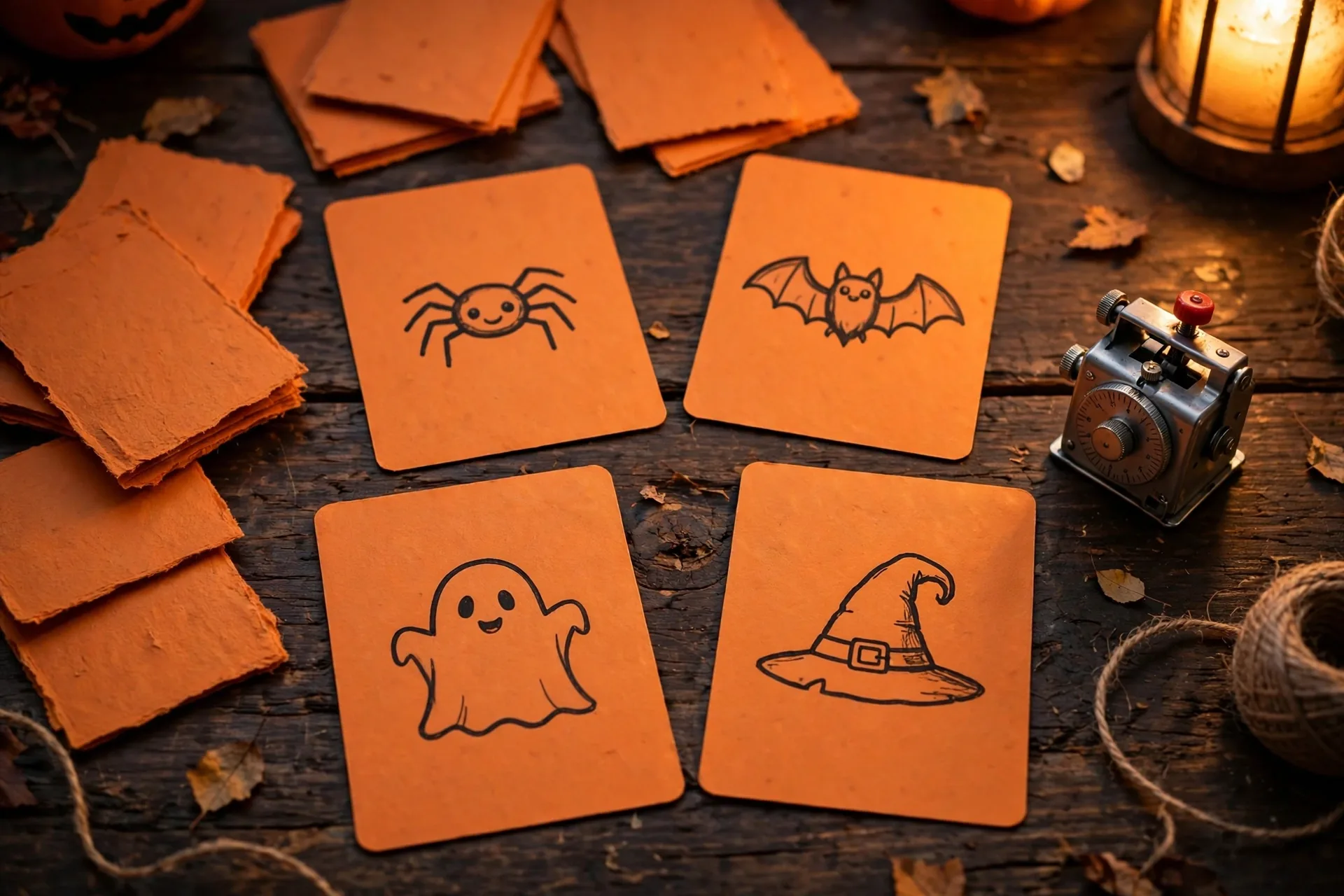
What you need. Thirty cards: 15 with a phobia name, 15 with its fear. Cut them from construction paper — thick enough that the writing does not show through, sturdy enough for small hands to flip all night. Add scissors, pens, a phone timer, and a bowl of candy for prizes. That is the whole supply list.
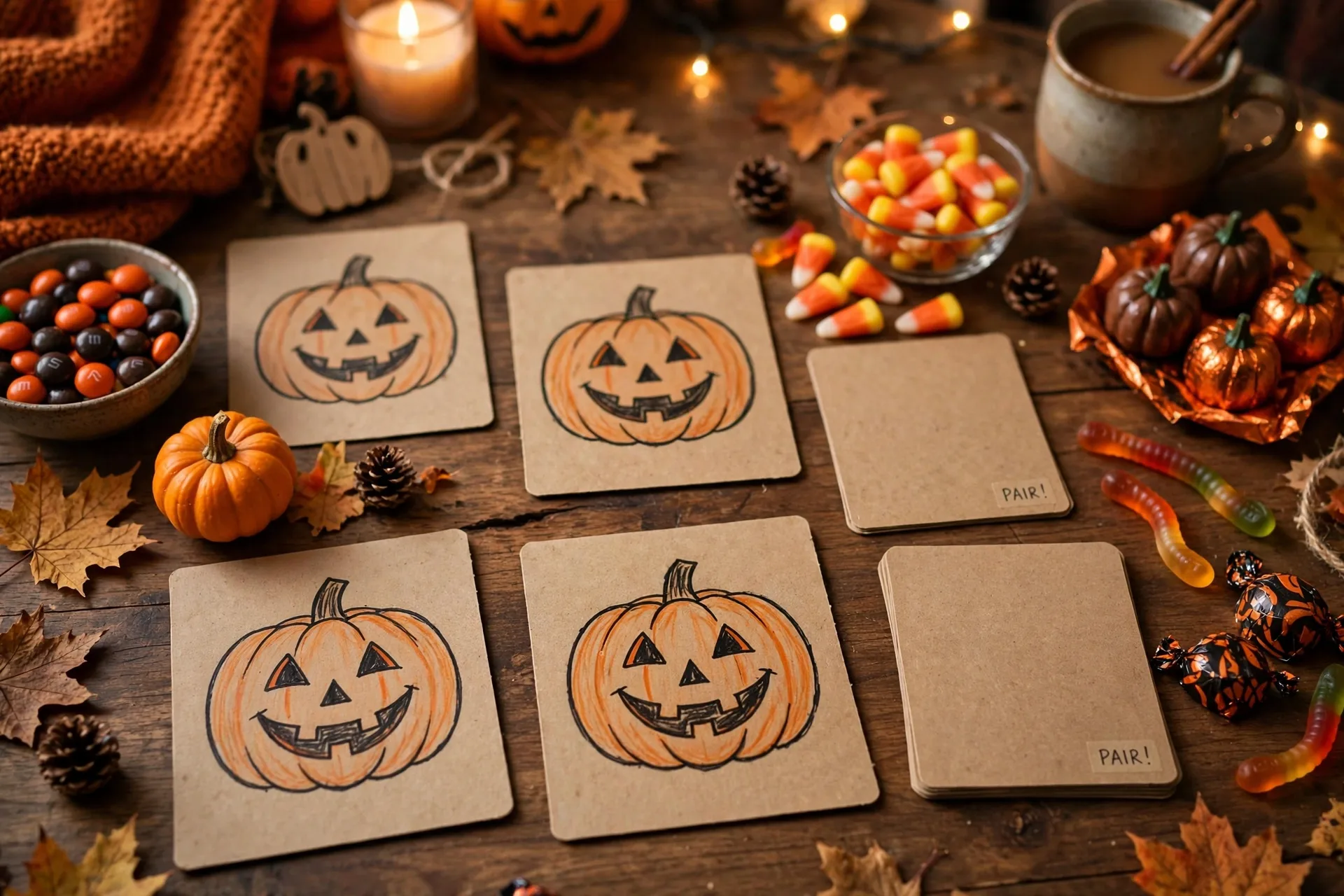
Setting up your card deck. Write the phobia names on one color and the fears on another — orange for names, black or purple for fears looks right and keeps the two piles obvious. Shuffle each pile separately, then lay them face down in two loose groups, or mix everything together memory-style for a harder game. No printer, no craft run? Skip the cards entirely: read the match bank below out loud as a quiz and have players write their answers. The game works either way.
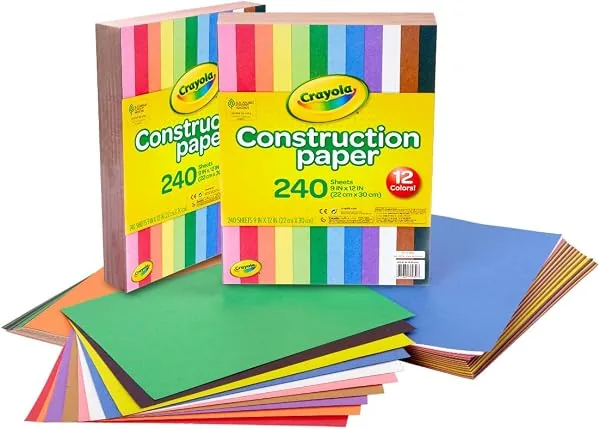
Crayola Construction Paper
The 30-card deck for this game — thick enough that the writing doesn’t show through, and the colors make the draw feel festive. Sturdy enough for small hands flipping all night.
The rules (memory-match style). On your turn, flip one name card and one fear card. If they pair, say the phobia name out loud — say it right and you bank the pronunciation bonus. Keep the pair and take another turn. If they do not match, flip both back over and the next player goes. In quiz style, read the 15 names one at a time; players write the fear, and the reader reveals the answer before moving on.
Scoring. One point per correct match. One bonus point for pronouncing the name correctly on your first try — the group votes, majority rules, and yes, the vote is half the fun. The steal rule: if a player flips a wrong pair, the next player may call out the correct match for a steal point. Most points wins. Tie? Sudden death: each tied player says “triskaidekaphobia” three times fast. Nobody wins cleanly. Everybody laughs.
One Quick Note Before You Play
Real phobias are real anxiety conditions — the words are fun, the fears behind them are not a joke. We play with the vocabulary, not with anyone’s actual fear. If someone at your table genuinely fears something on this list (spiders and the dark are the common ones), keep the teasing at zero. This game is at its best when it feels curious, not cruel.
The Match Bank: 15 Spooky Pairings
Every pairing below is verified against a real reference — a dictionary list, a medical glossary, or, for Halloween’s own fear, the Cleveland Clinic. Say-it lines break each word into chunks; play tips tell you how to remember it.
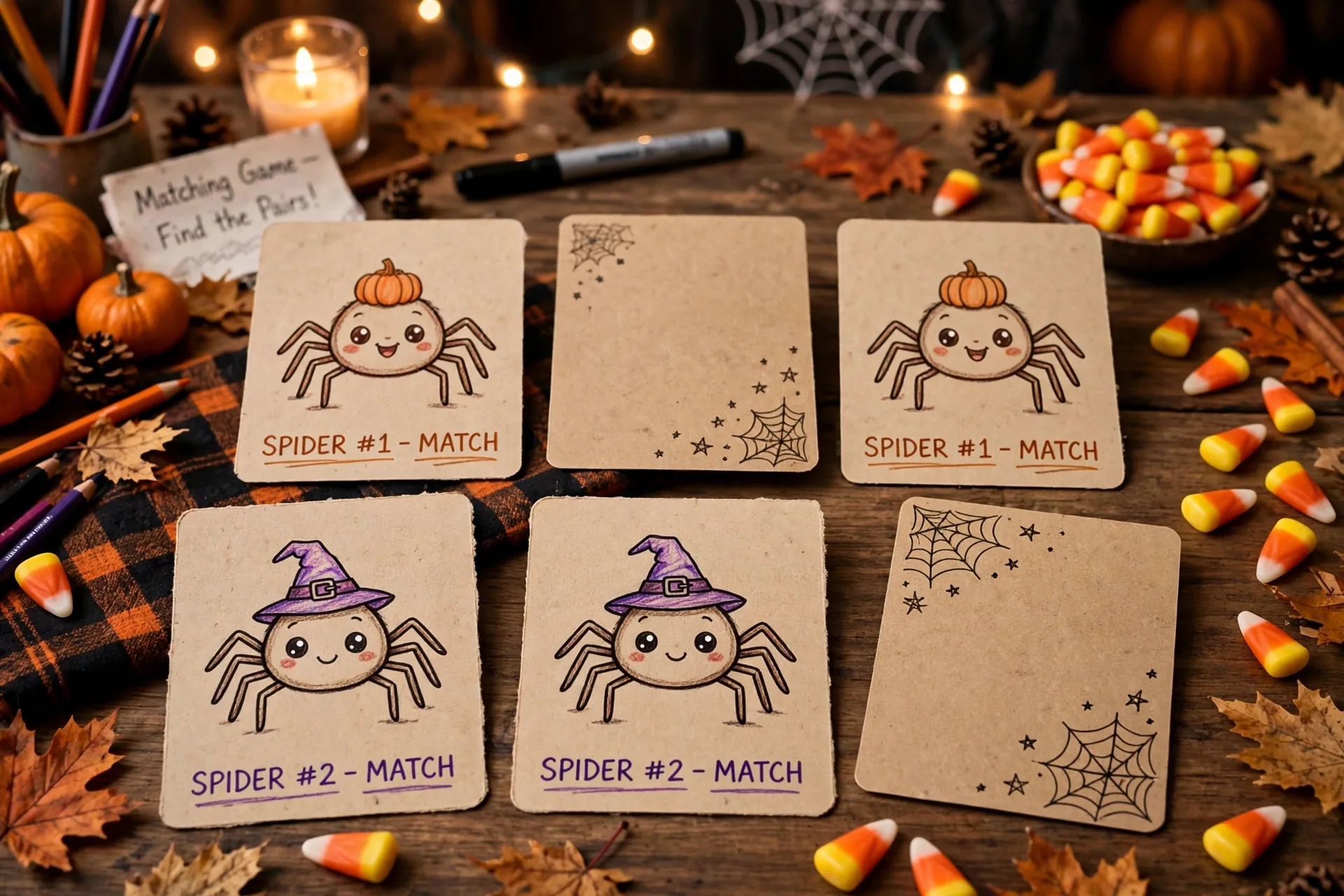
1. Arachnophobia — Spiders
The fear: spiders (and their eight-legged relatives). Say it: uh-rak-noh-FOH-bee-uh. Play tip: split it — arachno is the Greek root for spider, phobia means fear. This is the free point on the board; use it to warm up shy players. It is one of the most common specific fears in the world, which is why every fake spiderweb on your street sells out by mid-October.
2. Coulrophobia — Clowns
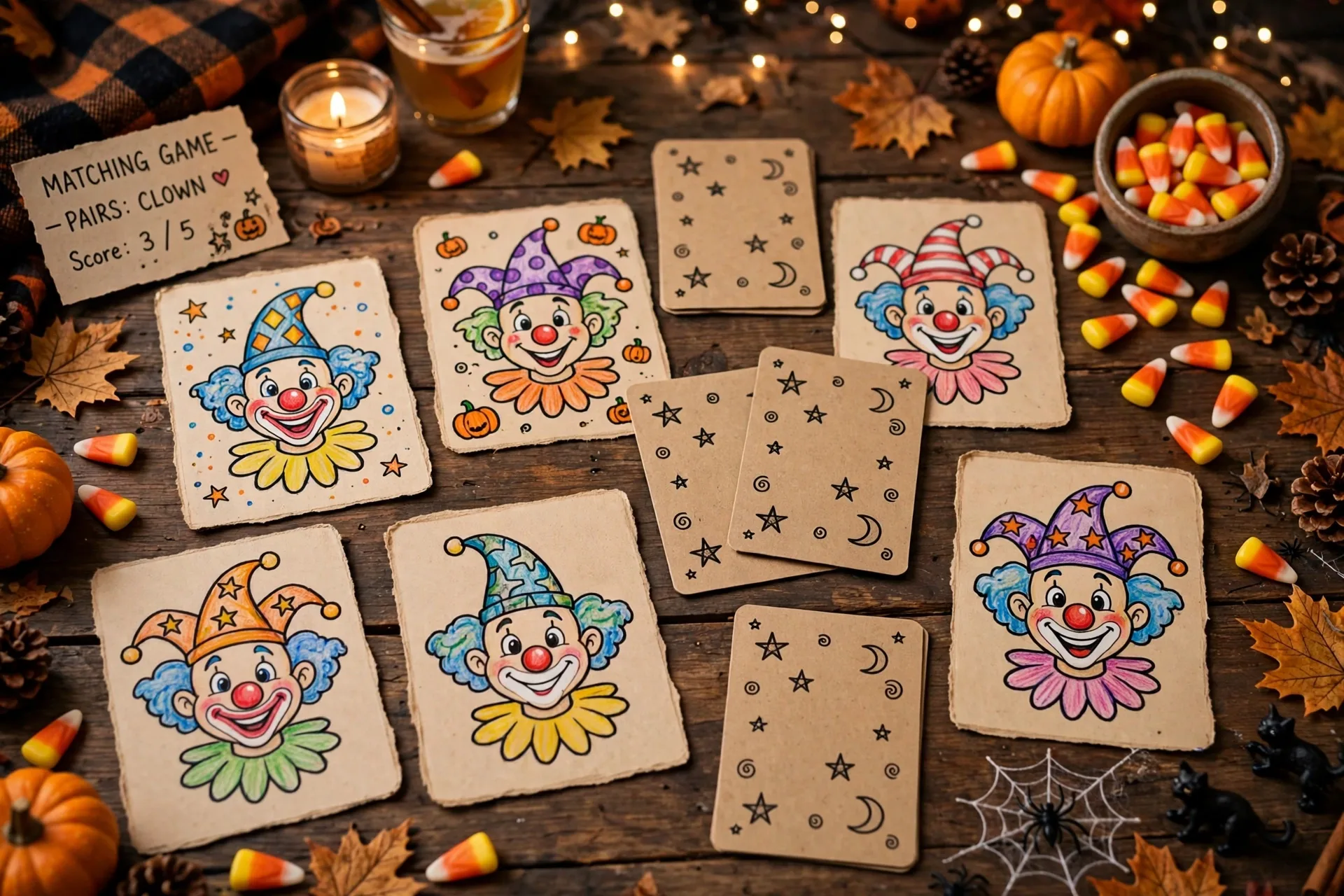
The fear: clowns. Say it: kool-roh-FOH-bee-uh. Play tip: it starts like “cool,” but there is nothing cool about it at the party table. The word itself only showed up in the 1980s — our grandparents’ generation essentially invented a new fear word just for clowns. Teens usually nail this one; grandparents pretend they have never been scared of anything.
3. Nyctophobia — The Dark
The fear: darkness and night. Say it: nik-toh-FOH-bee-uh. Play tip: think “night” with an attitude — nycto is the Greek root for night. This is the fear hiding behind half of all haunted houses: it is not the ghost, it is not seeing the ghost coming. Anyone who has ever sprinted up a dark staircase already understands this word.
4. Hemophobia — Blood
The fear: blood. Say it: hee-moh-FOH-bee-uh. Play tip: hemo means blood — the same root as hemoglobin. Anyone who survived high school biology gets this one instantly. One table rule: keep the fake-blood props away from anyone who actually has this fear. The game is fun; the prop table is not worth a fainting spell.
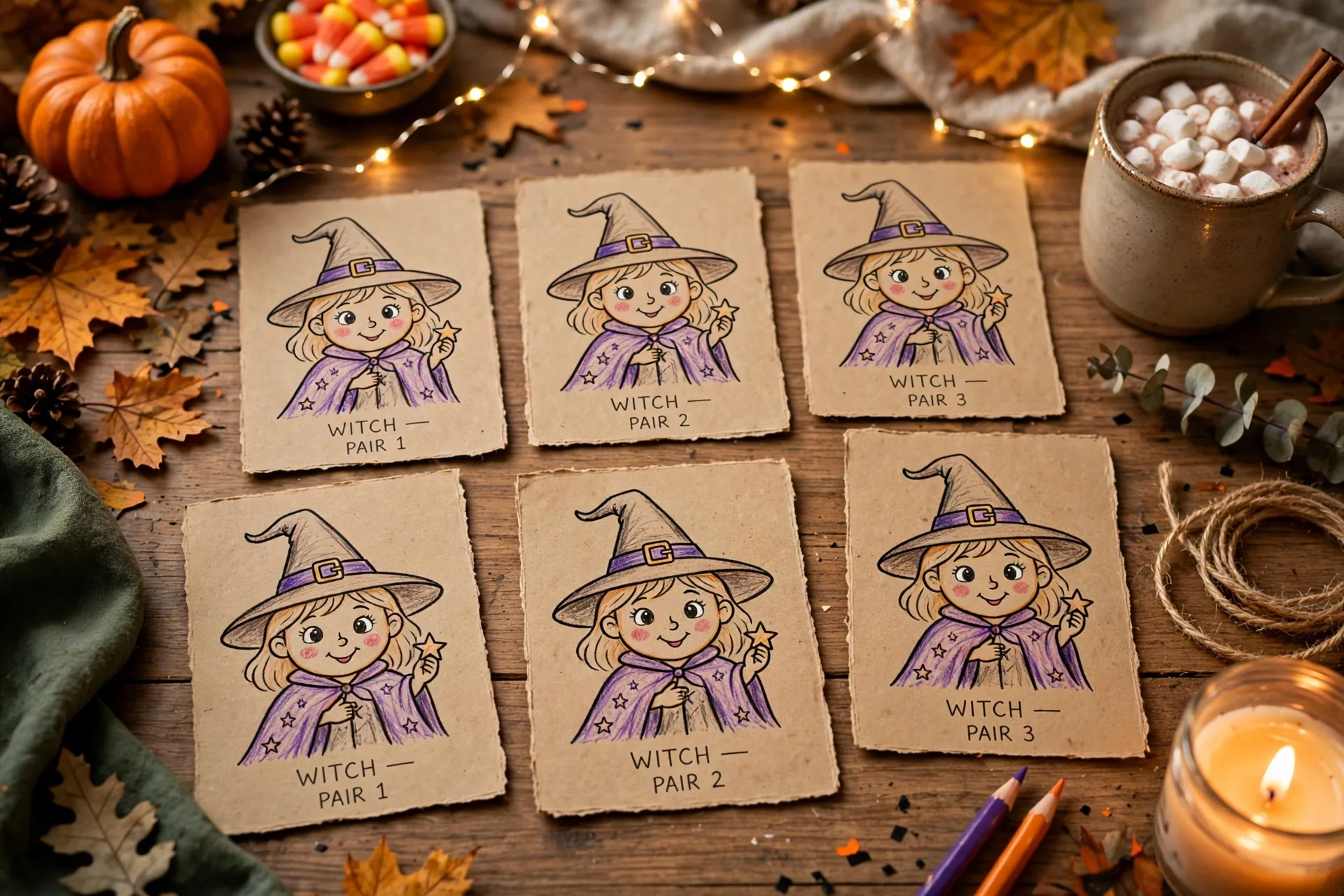
5. Wiccaphobia — Witches and Witchcraft
The fear: witches and witchcraft. Say it: wick-uh-FOH-bee-uh. Play tip: wicca + phobia — it says exactly what it means once you split it. As a dictionary word it is relatively new, but the fear is centuries old, and it is the reason the pointy hat is the most recognized Halloween symbol on earth.
6. Samhainophobia — Halloween Itself
The fear: Halloween — the whole holiday. Say it: sam-HI-noh-foh-bee-uh (that is the Cleveland Clinic’s pronunciation). Play tip: it is named for Samhain, the ancient Celtic festival on October 31st that Halloween grew out of — the holiday is literally inside the name. This is the only pairing where the answer is the party you are standing at, and the clinic lists it as a recognized specific phobia with its own page.
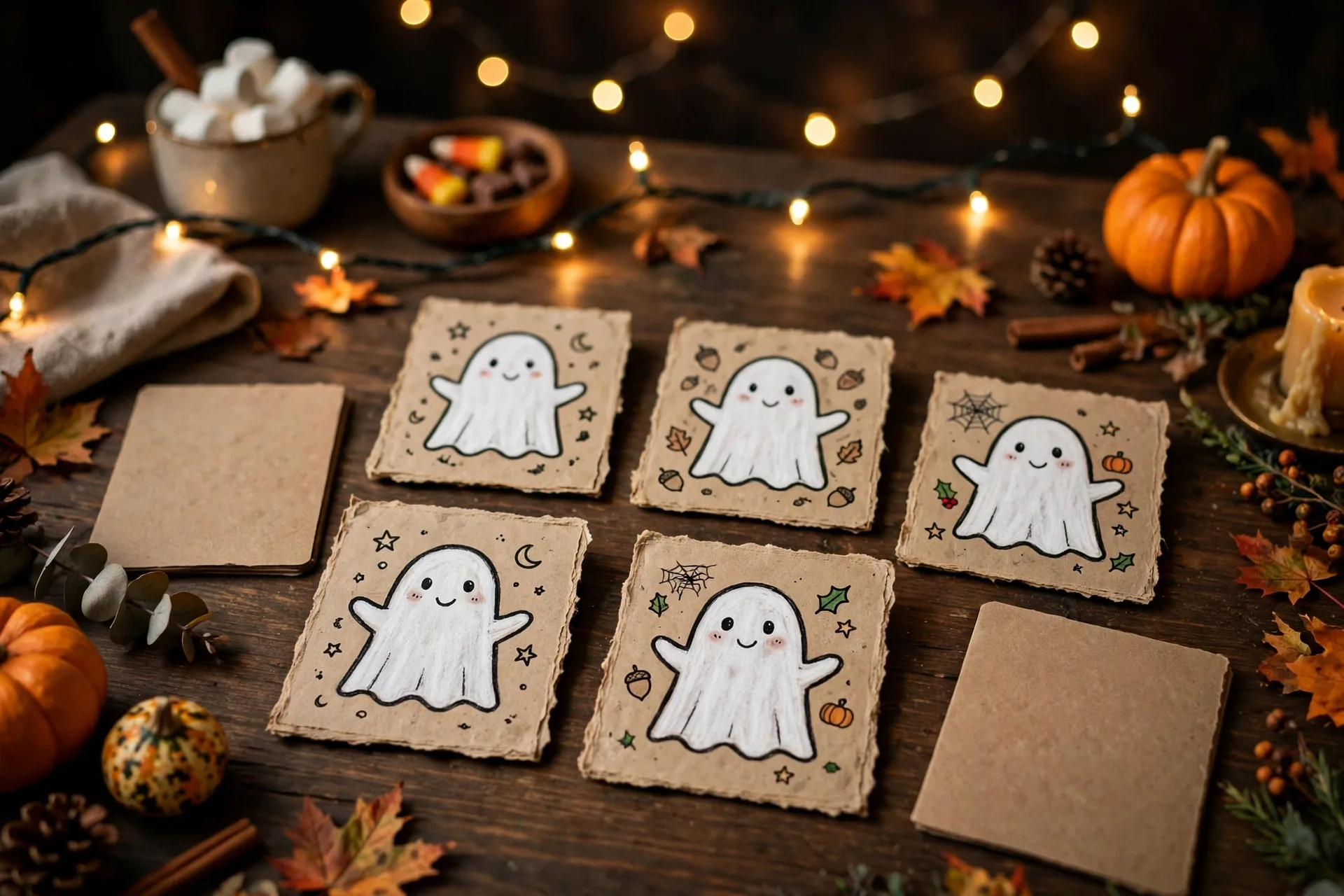
7. Phasmophobia — Ghosts
The fear: ghosts and phantoms. Say it: faz-moh-FOH-bee-uh. Play tip: phasma is Greek for apparition — the same root as “phantasm.” This one flips the usual age advantage: it is also the name of a wildly popular ghost-hunting video game, so the teens at the table may know this word before the adults do.
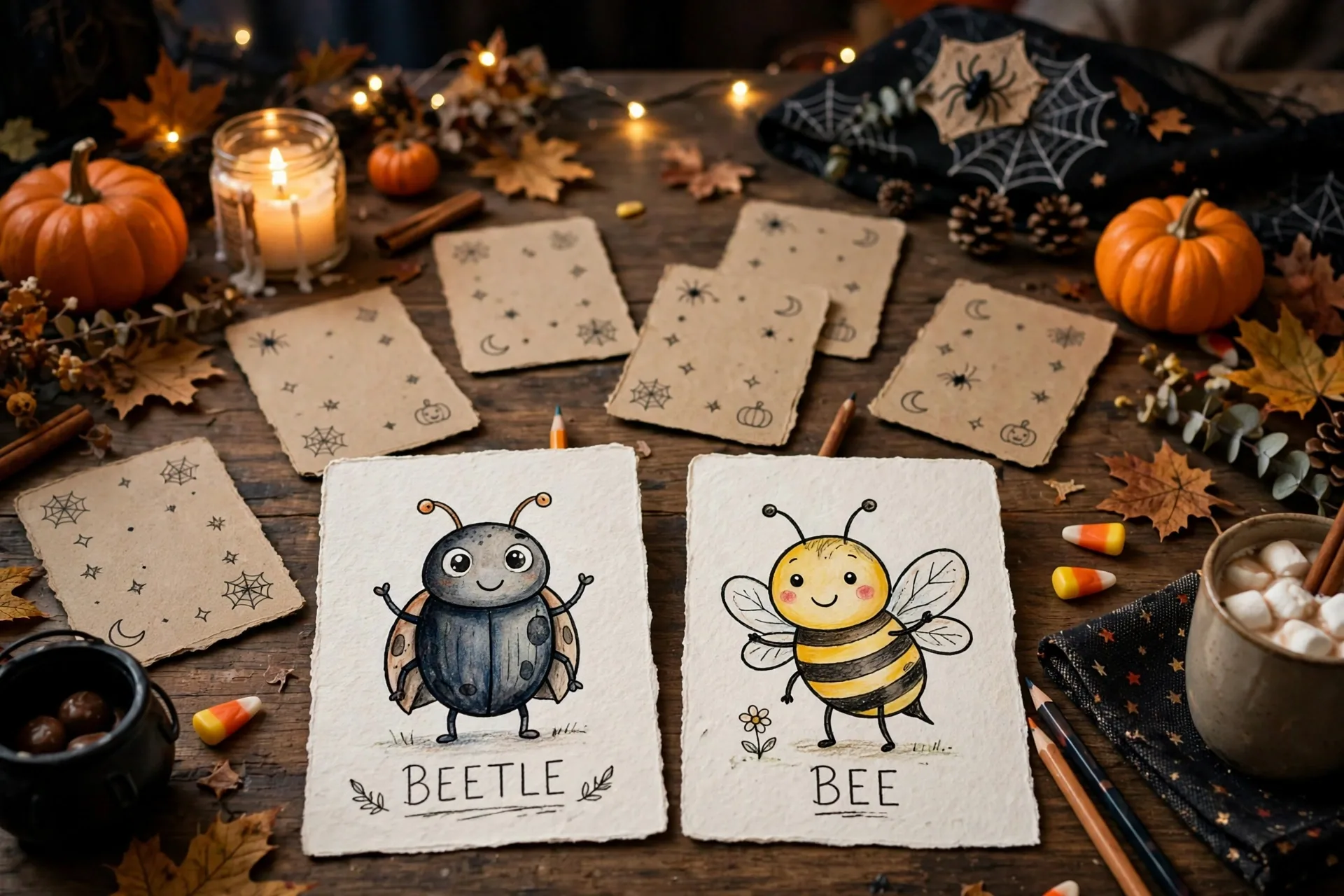
8. Entomophobia — Insects
The fear: insects. Say it: en-toh-moh-FOH-bee-uh. Play tip: entomo means insect — entomologists study bugs. The science-class kids will lock this one in before you finish reading the clue. The plastic cockroaches in the party-store aisle are somebody’s entire October nightmare, which is exactly why they sell.
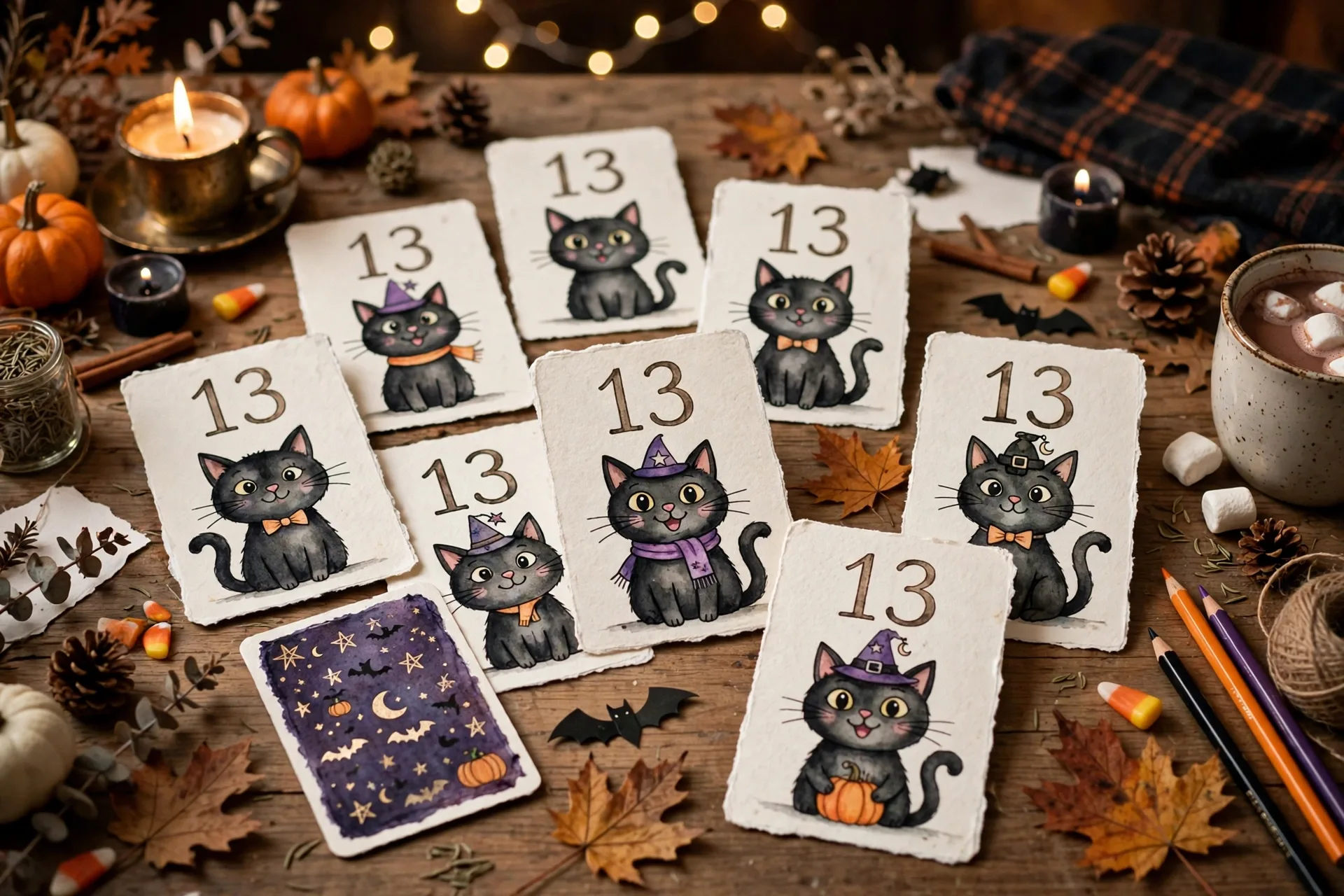
9. Triskaidekaphobia — The Number 13
The fear: the number 13. Say it: tris-ky-dek-uh-FOH-bee-uh. Play tip: tris (three) + kai (and) + deka (ten) — Greek for thirteen. Say it in chunks and it stops being scary. This fear is why some buildings skip the 13th floor, and it is the best tiebreaker word in the game because nobody says it right the first time.
10. Ornithophobia — Birds
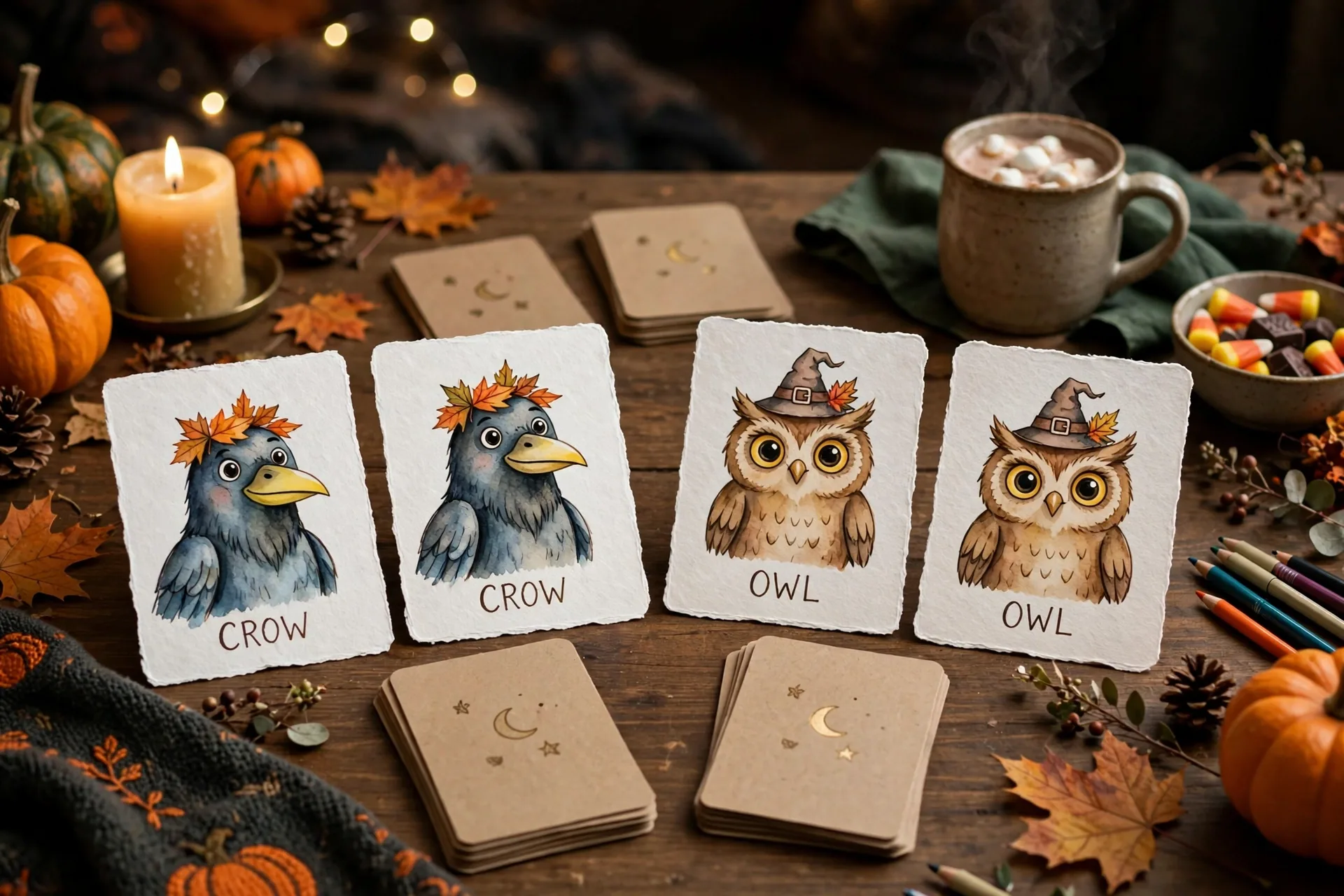
The fear: birds. Say it: or-nih-thoh-FOH-bee-uh. Play tip: ornitho means bird — ornithologists study them. The crows on every Halloween decoration are not random; birds have starred in scary stories for centuries, and this word is older than most players will guess.
11. Musophobia — Mice and Rats
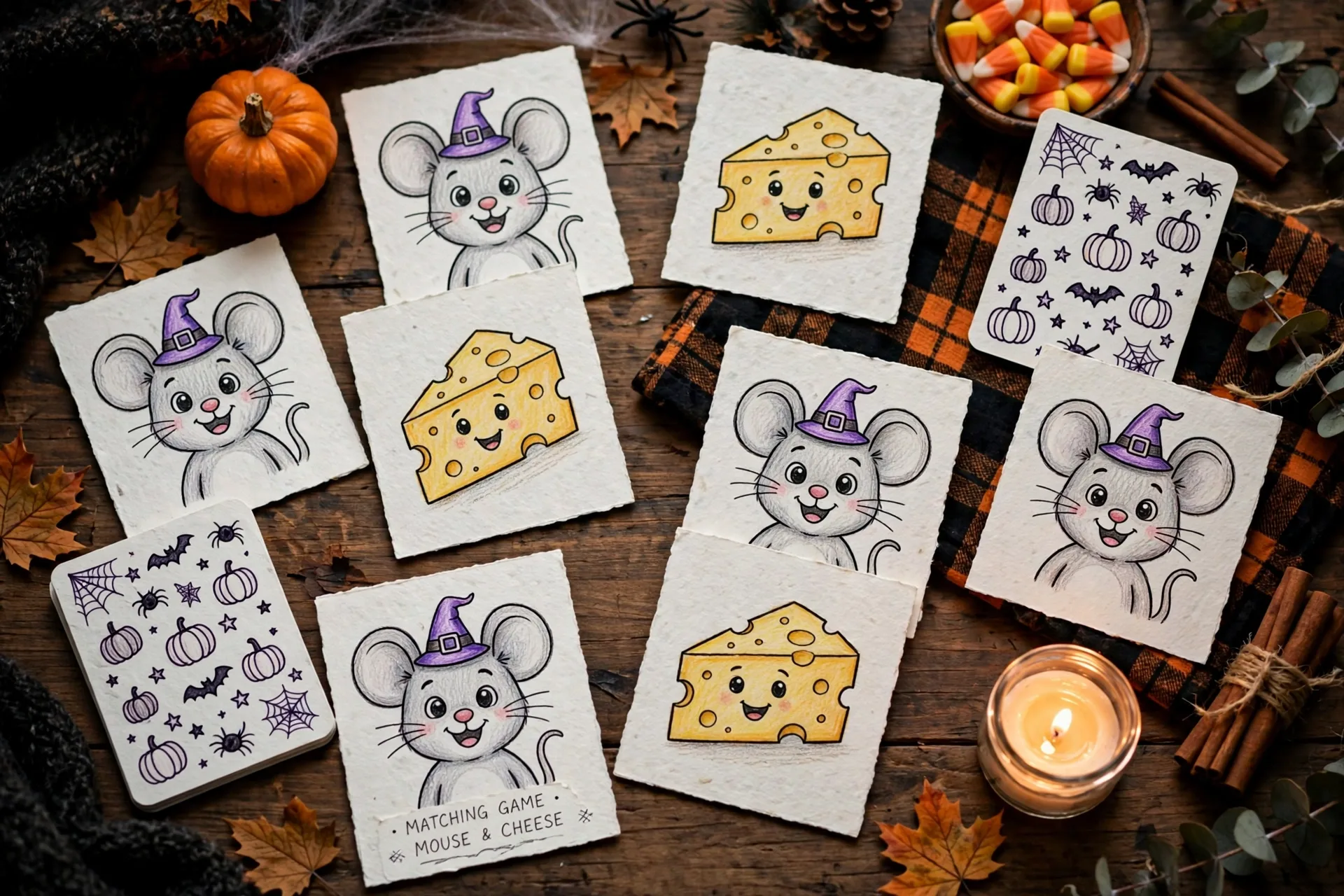
The fear: mice and rats. Say it: myoo-soh-FOH-bee-uh. Play tip: mus is Latin for mouse — a one-syllable root and an easy win. The squeaky toy mice in the Halloween aisle are cute; the real thing in the pantry in October is not, and that contrast is the whole joke of this pairing.
12. Necrophobia — Corpses and Death
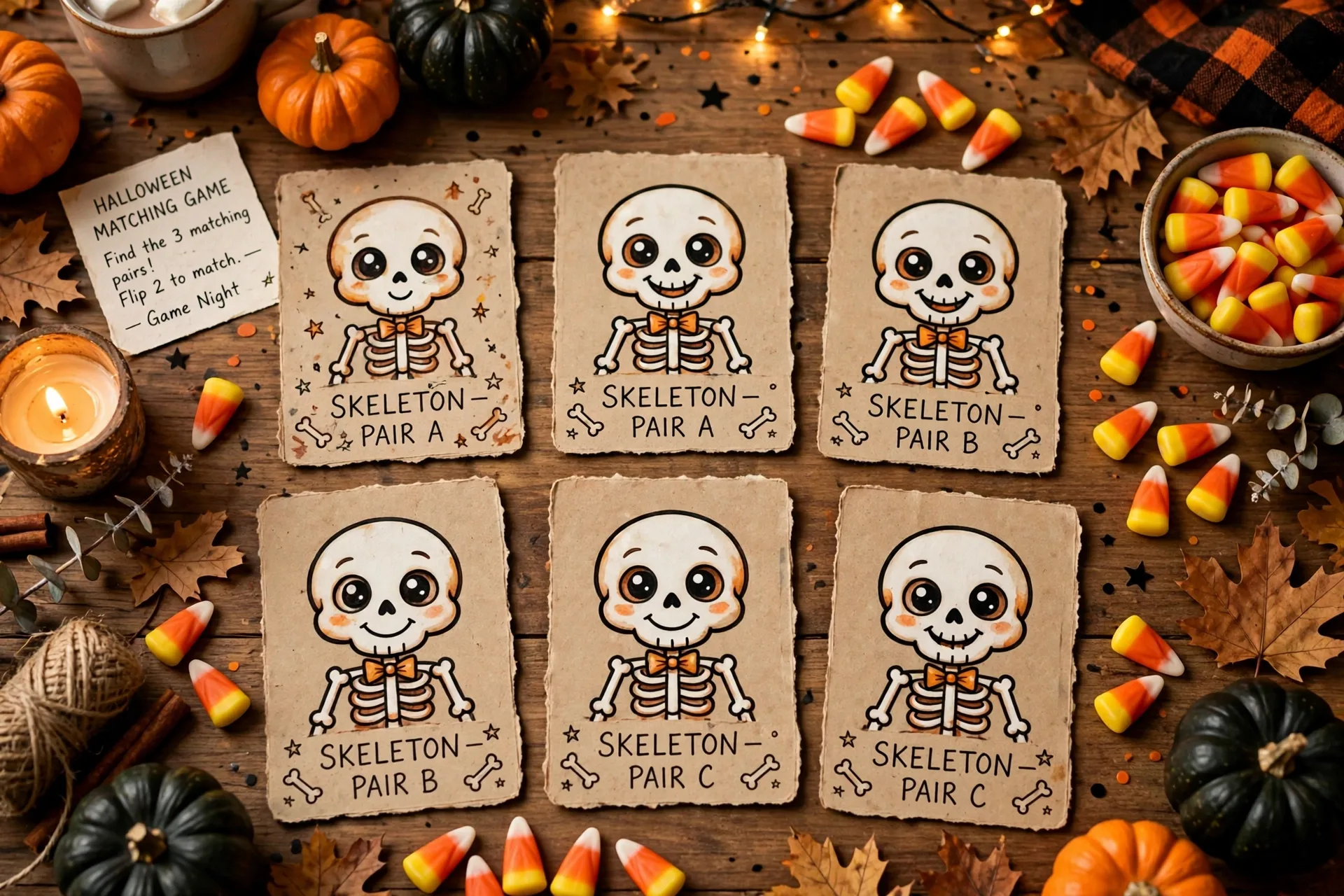
The fear: corpses and things associated with death. Say it: neh-kroh-FOH-bee-uh. Play tip: necro means death — the same root as “necromancer” in every fantasy book on the shelf. Skeletons, tombstones, and graveyard scenes all live under this one word; it is doing the most work of any pairing on a Halloween decoration aisle.
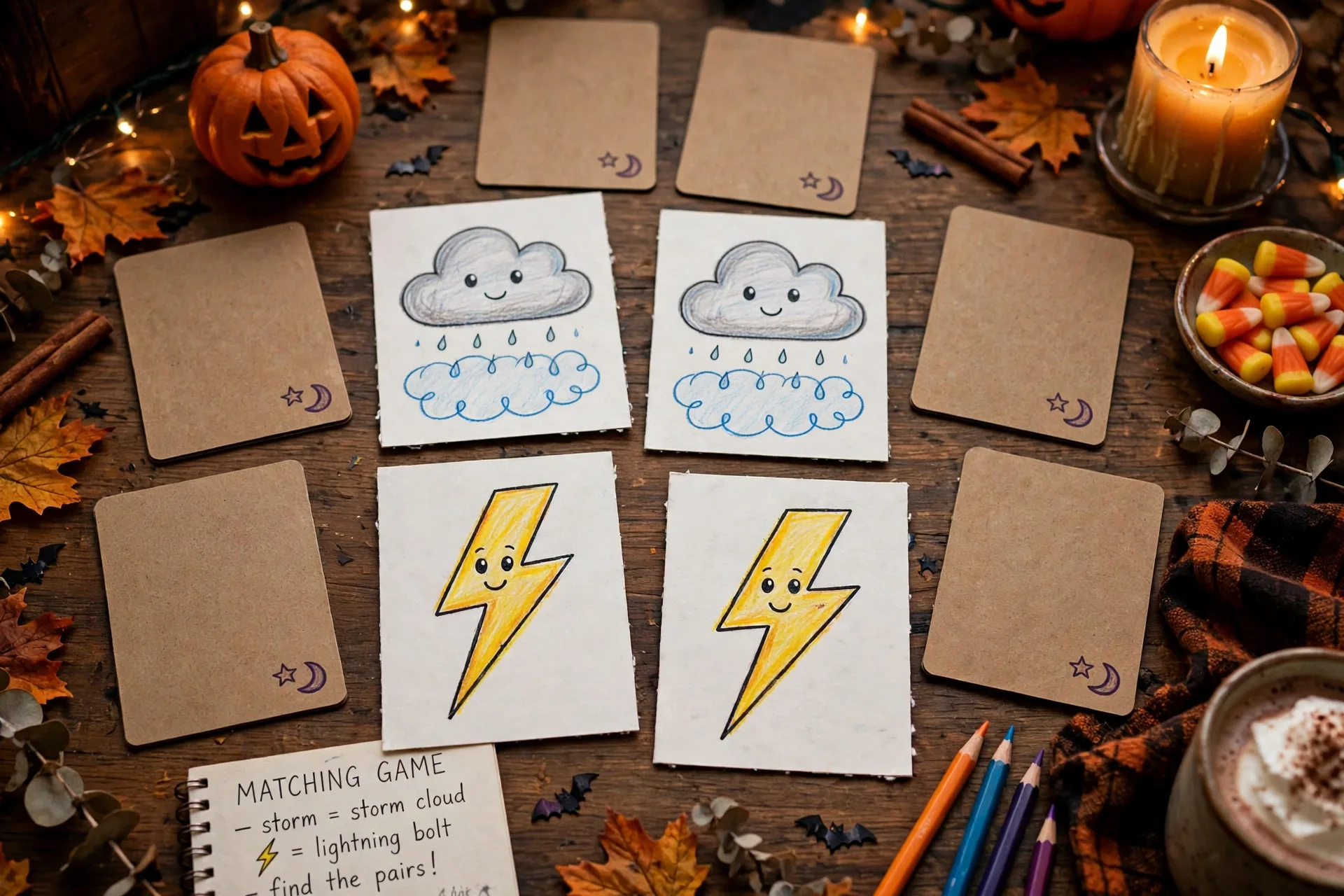
13. Astraphobia — Thunder and Lightning
The fear: thunder and lightning. Say it: as-truh-FOH-bee-uh. Play tip: astra is Greek for a star or lightning flash — think “astronomy goes wrong.” Of all the fears here, this is the one most kids have actually felt in their bones. An October thunderstorm rolling in during the party is free sound design.
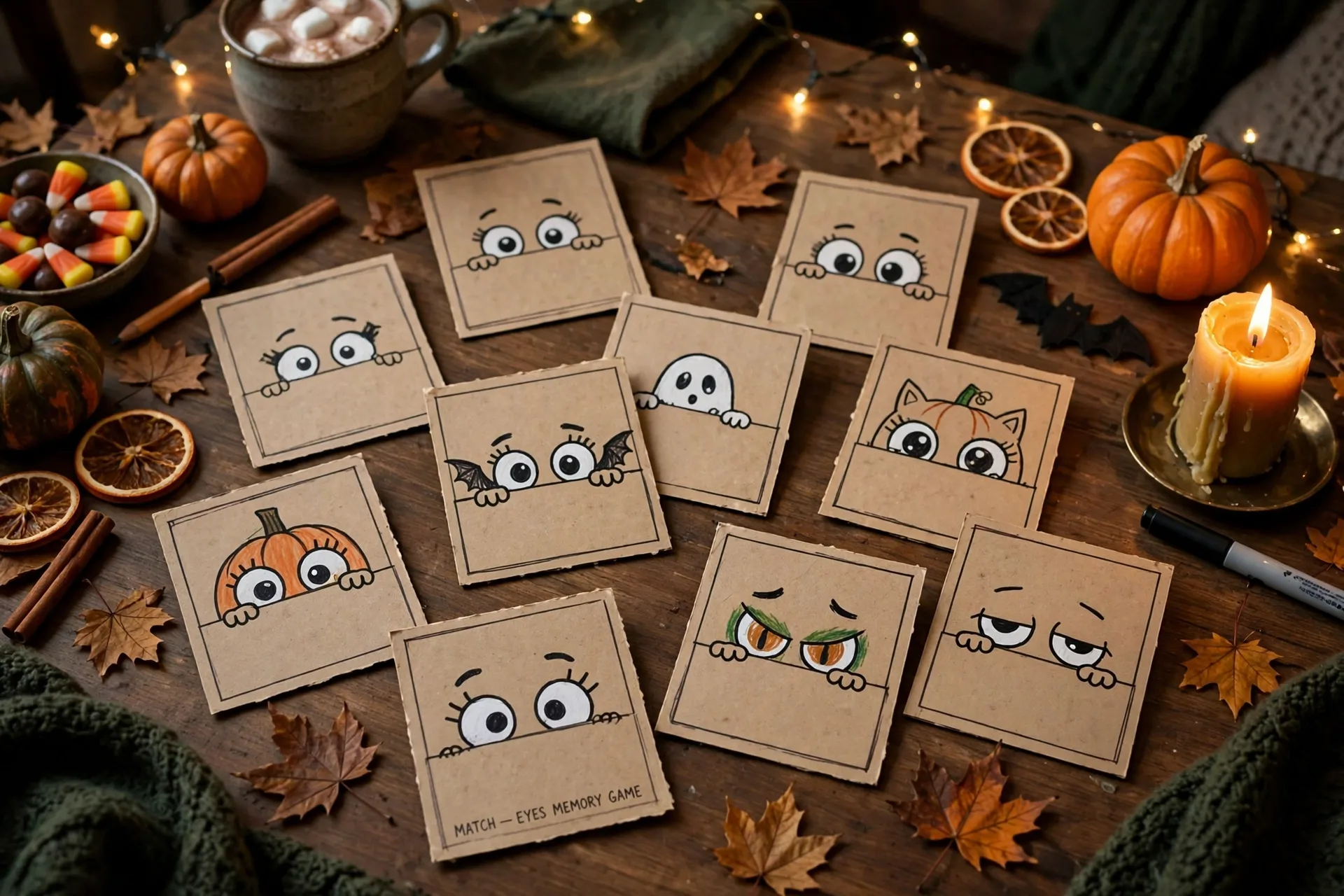
14. Scopophobia — Being Watched
The fear: being watched or stared at. Say it: skoh-poh-FOH-bee-uh. Play tip: scope means to look — the same root as telescope and microscope. Those creepy portraits with eyes that follow you around the haunted house? That decoration is this fear, weaponized — and it is why the actors never break eye contact.
15. Selachophobia — Sharks
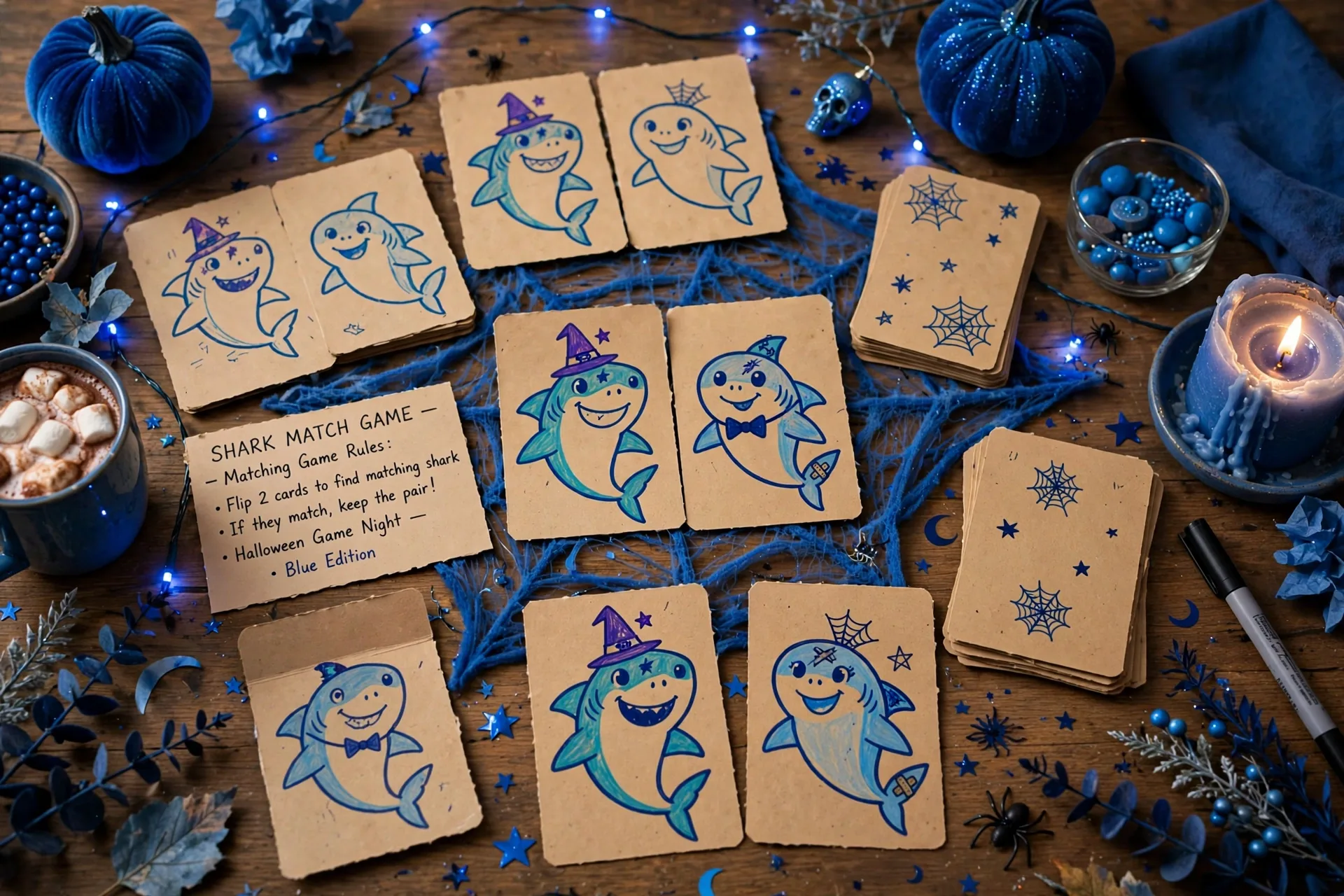

The fear: sharks. Say it: seh-lak-oh-FOH-bee-uh. Play tip: it comes from Selachimorpha, the scientific order that includes sharks — the most textbook word on this list. One famous 1975 movie about a shark did more for this fear than the ocean ever did, and the word itself is the medical term for it, full stop.
Four Ways to Play
Speed Round. Set the timer for one minute per player. Flip and match as fast as you can; wrong pairs cost you five seconds of freeze. Highest score when the candy bowl is empty wins. This is the version for the party crowd that wants noise — it is loud, it is fast, and the mispronunciations get funnier under pressure. For mixed ages, handicap it: kids under 10 play from a short deck of the five easy ones — arachnophobia, coulrophobia, nyctophobia, hemophobia, triskaidekaphobia — while the grown-ups take the full fifteen. The kids stay in the game, and the grown-ups stop complaining about selachophobia.
Team Play. Split into pairs or tables. Teams alternate flips, and the steal rule turns cutthroat — nothing bonds a team like robbing the other table of a point on “samhainophobia.” Set the mood: dim the overheads and scatter flameless LED tea lights around the card table. The flicker makes every flip feel dramatic, and there is no flame anywhere near the paper cards.
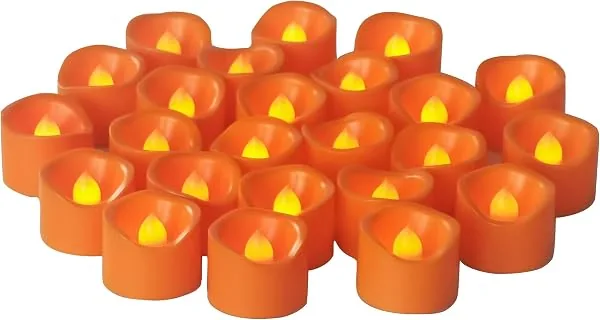
Flameless LED Tea Light Candles
The flicker around the team-play card table — warm and dramatic with zero flame near the paper cards. For the party table only.
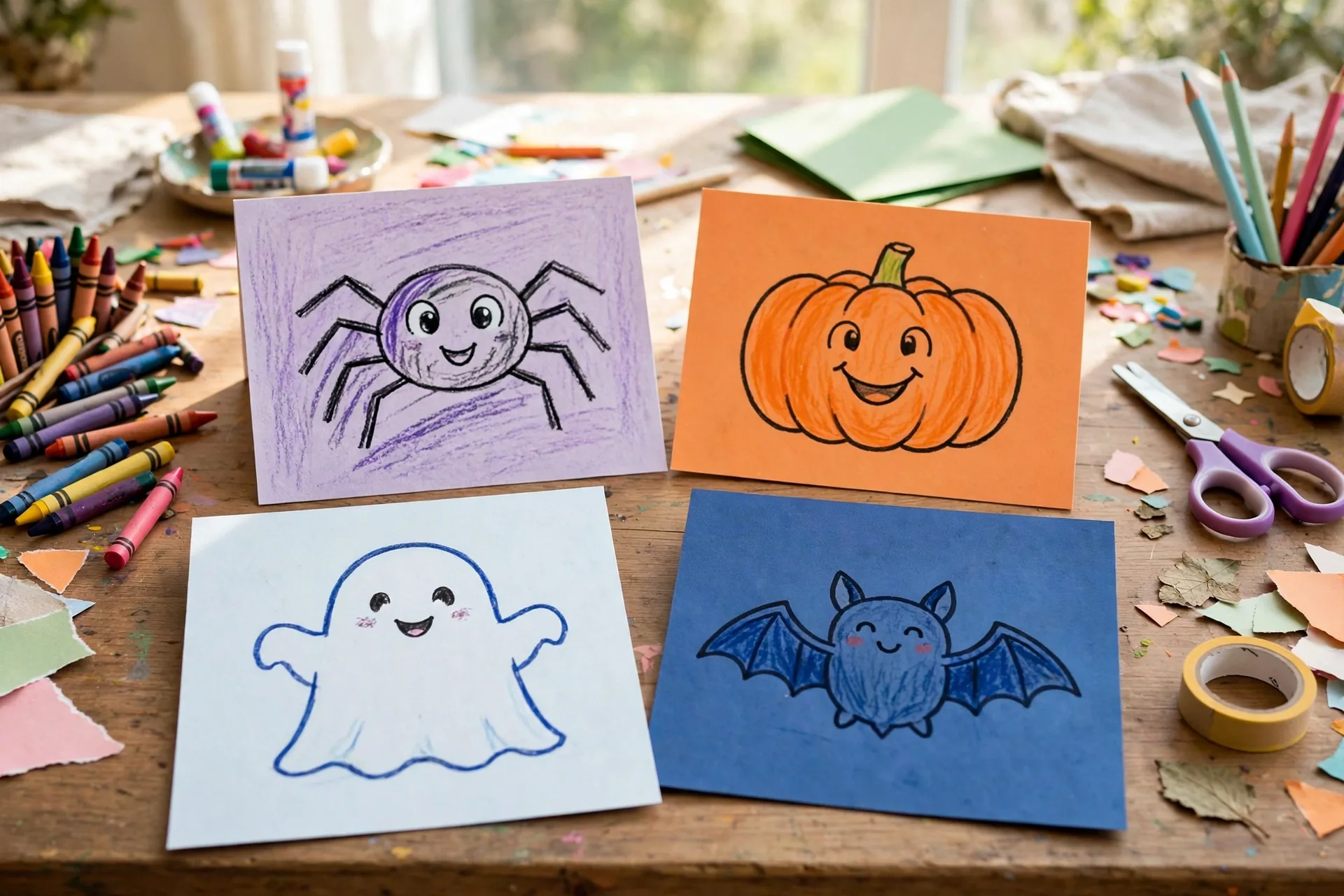
The Kid-Friendly Version (ages 4–9). Skip the big words entirely — no quizzing little kids on real phobias. Make picture cards instead: a smiling spider, a pumpkin, a ghost, a bat, a witch hat. Kids match the picture pairs, then answer “what are YOU scared of?” with their own words. My four-year-old’s answer was “the vacuum cleaner,” which beat every phobia on the list. This version is about naming feelings, not vocabulary. Laminate the keepers with clear packing tape and they survive the whole month of October.
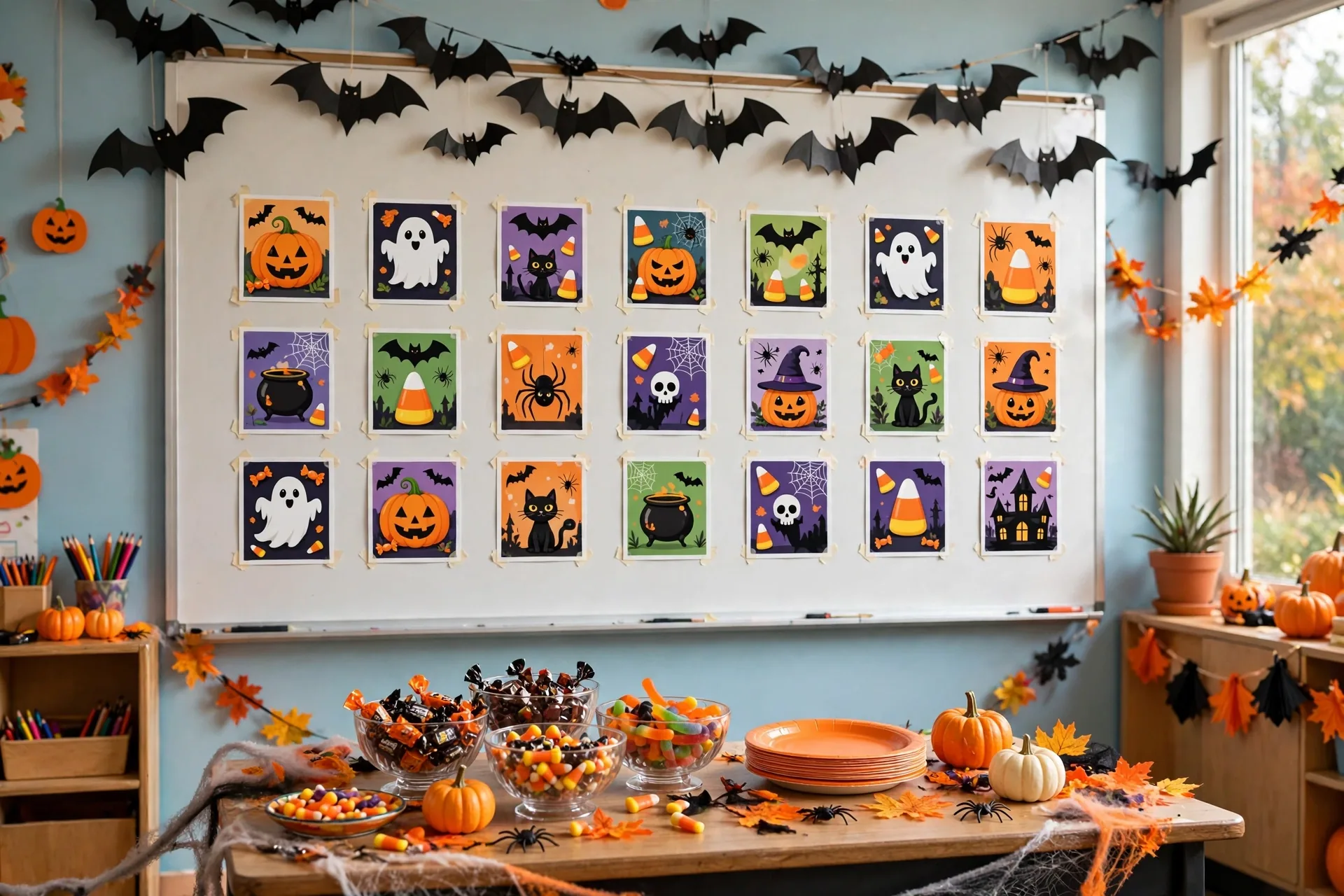
The Classroom Version. Tape the fear cards in a grid on the whiteboard and read the phobia names aloud; teams buzz in with the match. It doubles as a vocabulary lesson — roots like arachno, nycto, and necro are genuinely useful word parts. Works for grades 4 and up, homeschool co-ops, and scout troops; one deck serves the whole class. Tape the answer key face-down on the board’s back corner so the reader can check without turning around — the class will try to peek, and that is part of the fun too.
Shop This Post
Everything mentioned in this guide, in one place:
| Product | Used For | Price |
|---|---|---|
| Crayola Construction Paper |
The 30-card deck — thick enough that names don’t show through | Check Price |
| Flameless LED Tea Light Candles |
Team-play table mood — flicker with zero flame near paper cards | Check Price |
Frequently Asked Questions
How many players can play?
Two to twenty or more. It is best with 4–10, where the steal rule stays lively. For bigger groups, use the classroom version — one deck and one reader serve a whole room.
How long does a round take?
Fifteen to twenty minutes for all 15 pairings in memory-match style. The speed round runs about five minutes per player, and the read-aloud quiz version takes ten. Add five minutes the first time while everyone learns the flip-and-say rhythm.
What ages is this good for?
The full word version fits ages 10 and up — the vocabulary is the game. For ages 4–9, use the kid-friendly picture-card version with no clinical labels and no quizzing on real phobias.
Do I need a printer?
No. Handwrite the cards — it takes ten minutes and the homemade look is part of the charm. Or skip cards completely and run it as a read-aloud quiz straight from the match bank above.
Can I use fewer than 15 pairings?
Absolutely. Pick 8–10 for younger players or short attention spans. A good starter set: arachnophobia, coulrophobia, nyctophobia, hemophobia, and triskaidekaphobia — the five everyone has at least heard of.
Start With the Free Point Tonight
Fifteen spooky words and a table full of skeptics? Start with arachnophobia. Everybody gets it, everybody says it out loud, and by the time someone is arguing about how to pronounce “samhainophobia,” the game has already won.
Then keep the cards. They fit in an envelope, they survive the junk drawer, and next October you will be very glad you did not throw them out. Happy haunting, mama.
More Halloween guides on MamaKinder