Halloween Superstitions Trivia Game: 15 Eerie Questions

My four-year-old will not walk under our staircase — just the little triangle of space under the handrail where it meets the wall. “Bad luck, mama,” he tells me with total seriousness, as he army-crawls around it. We have never once discussed ladder-walking in this house. That is the thing about superstitions: they move through the world like smoke. Nobody remembers who started them, everybody knows what they are, and on Halloween night they feel almost reasonable.
So this year I turned it into a game. Fifteen of the most famous superstitions on earth, one question each, and a table full of people who suddenly have opinions about umbrellas. All fifteen are real, mainstream superstitions with real folklore behind them — and the stories of why people believe them are the best part.
Heads up: this post contains affiliate links. If you buy through them, MamaKinder may earn a small commission at no extra cost to you — it helps keep these guides free.
Quick Picks: Which Version Tonight?
| If this is you… | Play this version |
|---|---|
| Kids under 10 at the table | The Kid-Friendly Version — no scary beliefs, just silly true-or-false |
| The party crowd wants noise | Speed Round — one minute per player, wrong answers cost you |
| A classroom or scout troop | The Classroom Version — whiteboard grid, buzzer teams, folklore win |
| Grown-ups who love folklore | Team Play — pairs, storytelling bonus, steal rule |
How the Game Works
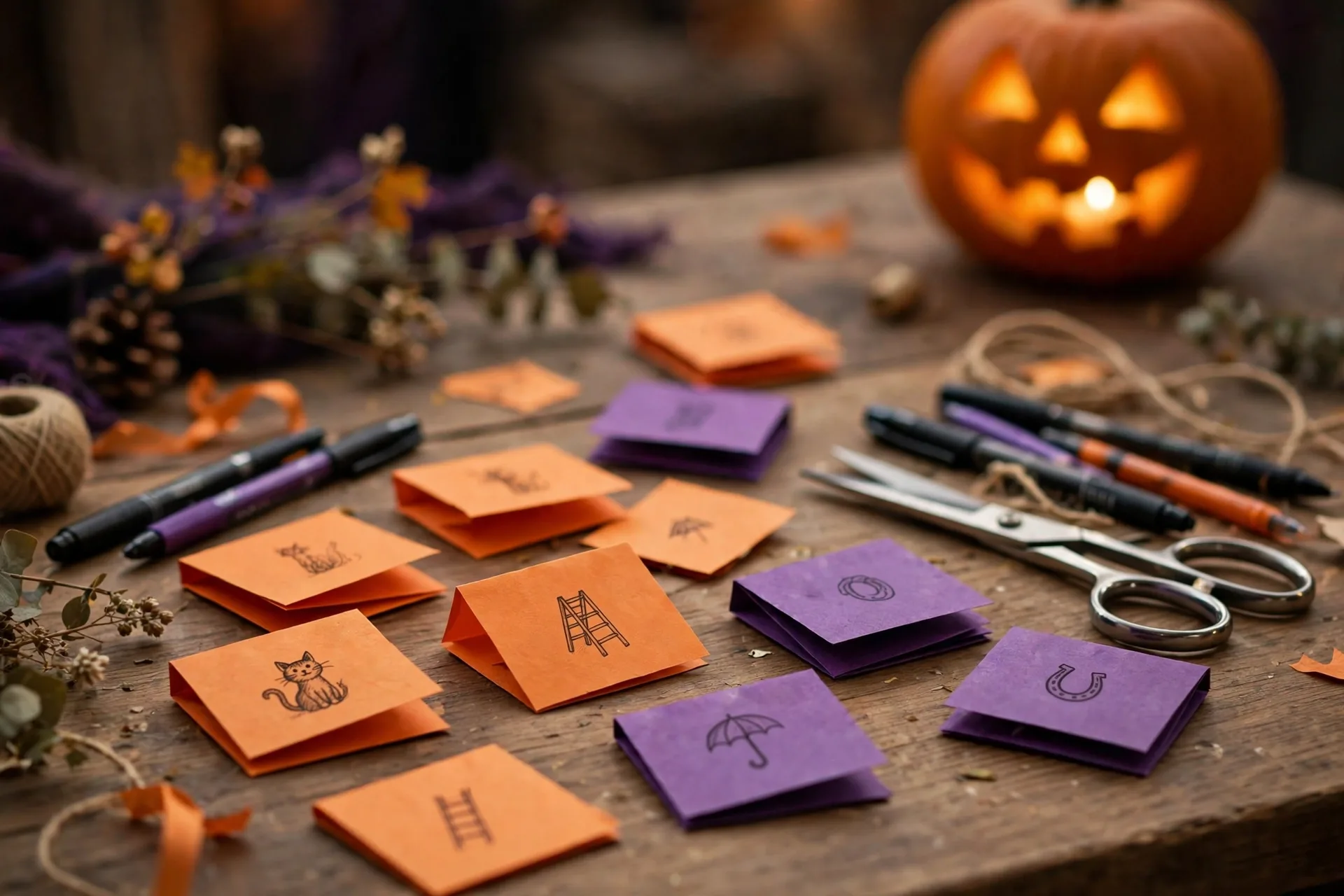
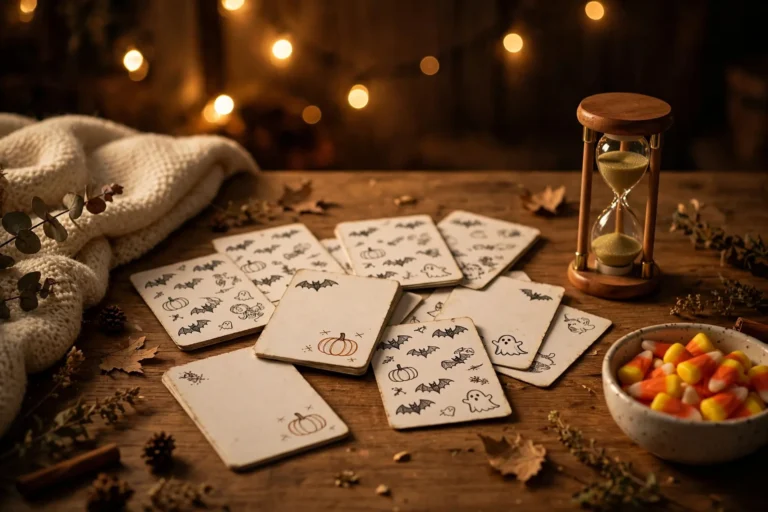
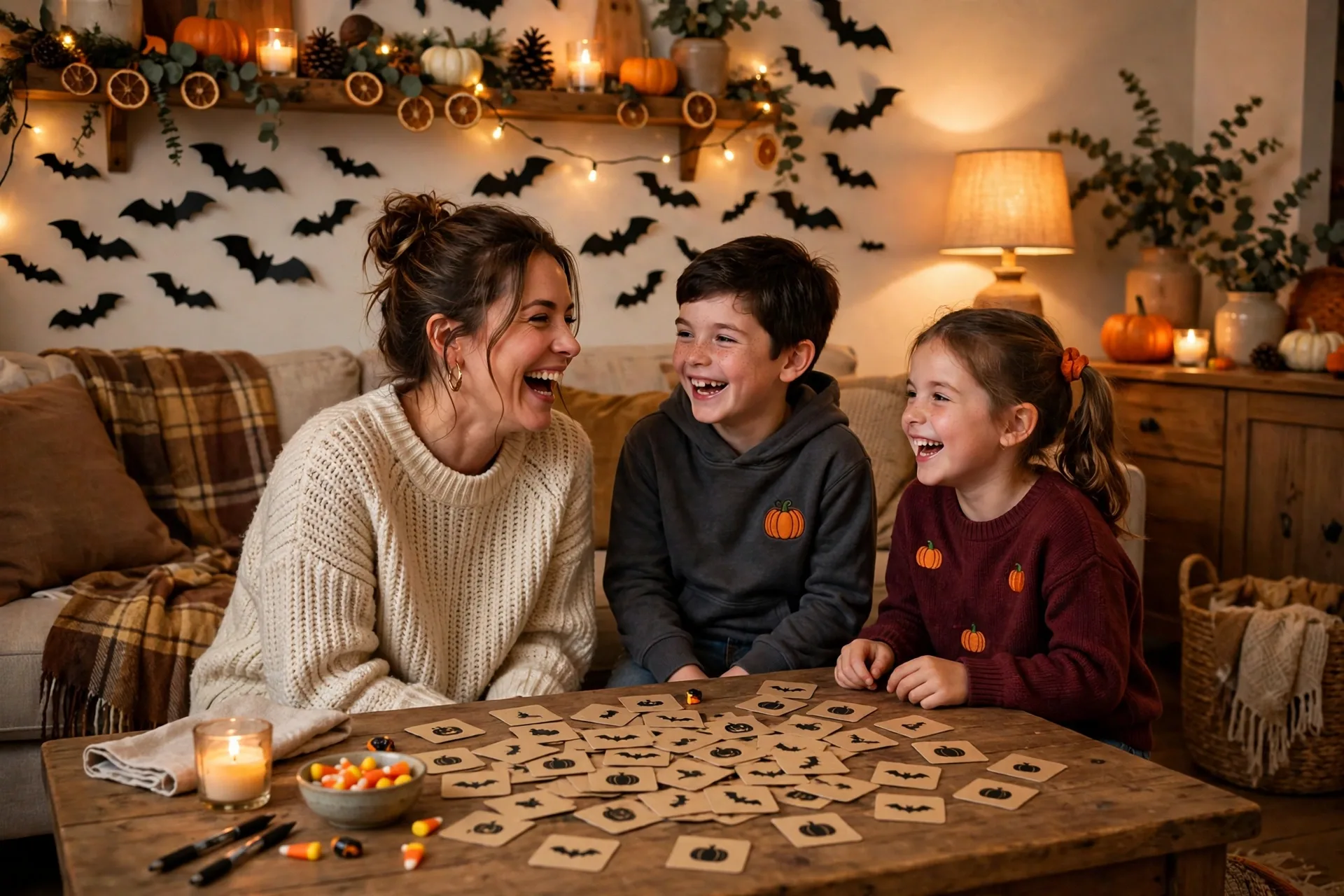
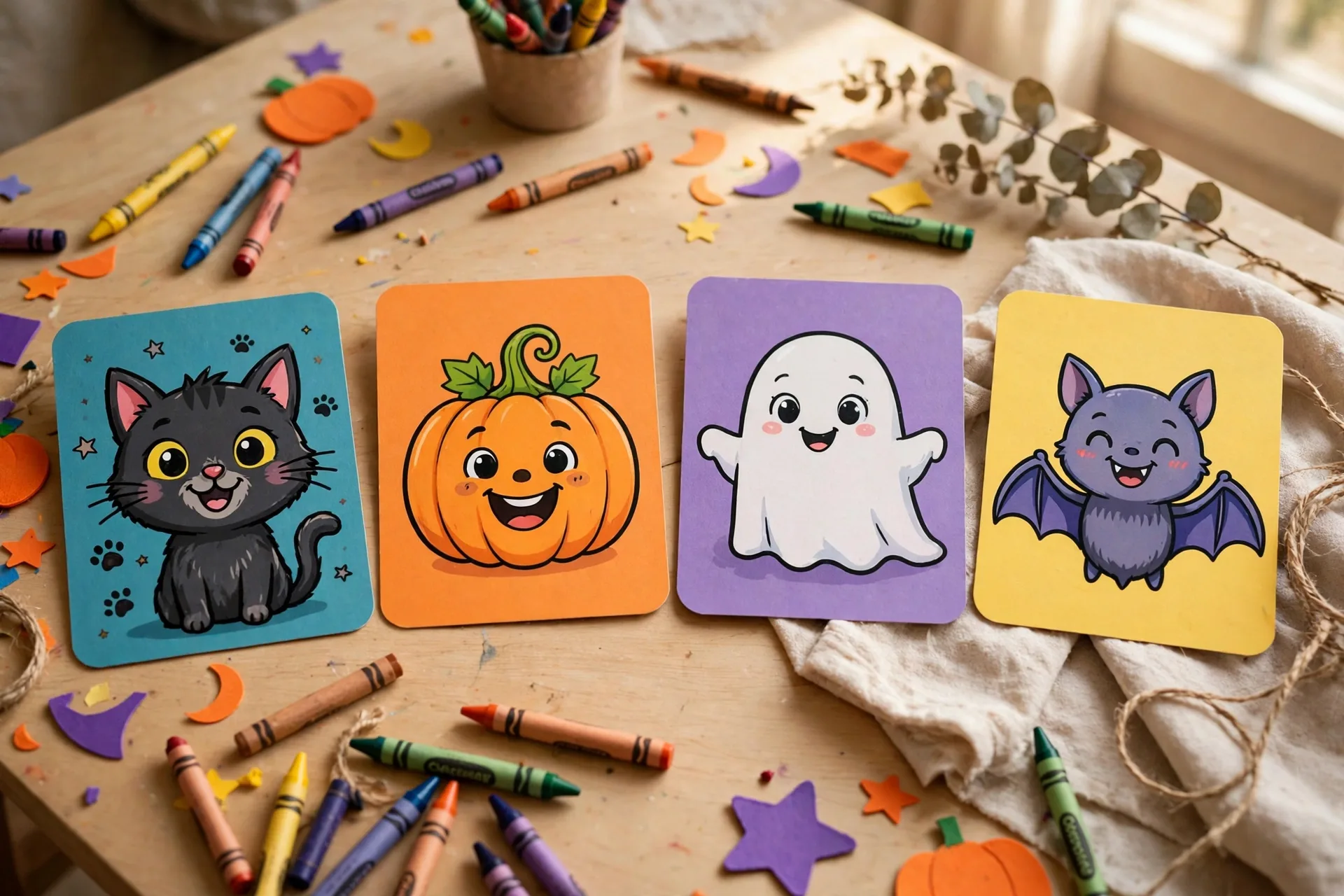
What you need. Fifteen question slips, pens, a phone timer, and a bowl of candy for prizes. Make the slips from construction paper — cut it into fifteen cards, write one question on each, and draw a tiny doodle of the superstition beside it (a cat, a ladder, a mirror). The doodles double as game art and as hints for the kids who cannot read yet. Thick paper matters: thin paper curls and lets everyone read through the back.
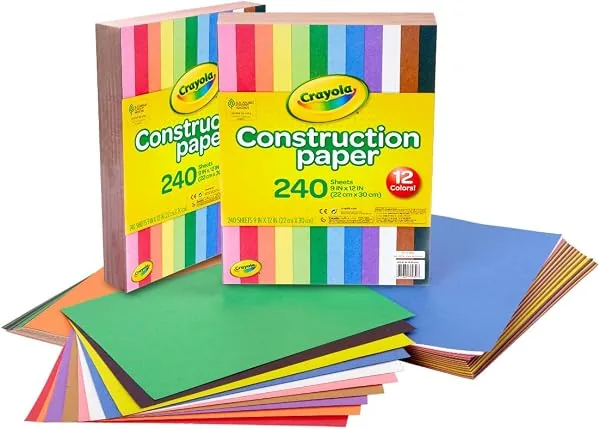
Crayola Construction Paper
The 15 question slips for this game — thick enough that the writing doesn’t show through, and the colors make the draw feel festive. Sturdy enough for small hands flipping all night.
Setting up. Fold the slips and drop them in a bowl, a bucket, or — our house rule — an old witch hat from the costume box. Decide teams vs. everyone-guesses before you start. Read-aloud quiz style works best for mixed ages: the host reads a question, players write or shout answers, and the host reveals the answer plus the story behind it before drawing the next slip.
The rules. One point for each correct answer. The host’s ruling on “close enough” is final — “bad luck for a long time” counts for the mirror question; “no, a broken mirror is good luck” does not. The story behind each answer is read out loud, which means even the players who get it wrong learn something and stay in the game.
Scoring. One point per correct answer, plus one bonus point per round for the wildest real detail added to a story — the host judges, the table heckles. Steal rule: if a player answers wrong, the next player can steal for half a point. Fifteen questions, so a perfect score is 15 — plus bonuses. Tie? Sudden death: each tied player names one superstition NOT on the list tonight. First one who blanks, loses.
One Note Before You Play
Superstitions are beliefs, not facts — every question below is presented that way. This game works because people are fascinated by why others believed these things, not because anyone is making them true. Keep it light, keep it curious, and never use a superstition to actually scare a kid at the table.
The Question Bank: 15 Eerie Questions
Each question is a real, mainstream superstition. Ask it, let everyone answer, then read the story — the story is where the game lives.
1. A black cat crosses your path — good luck or bad luck?
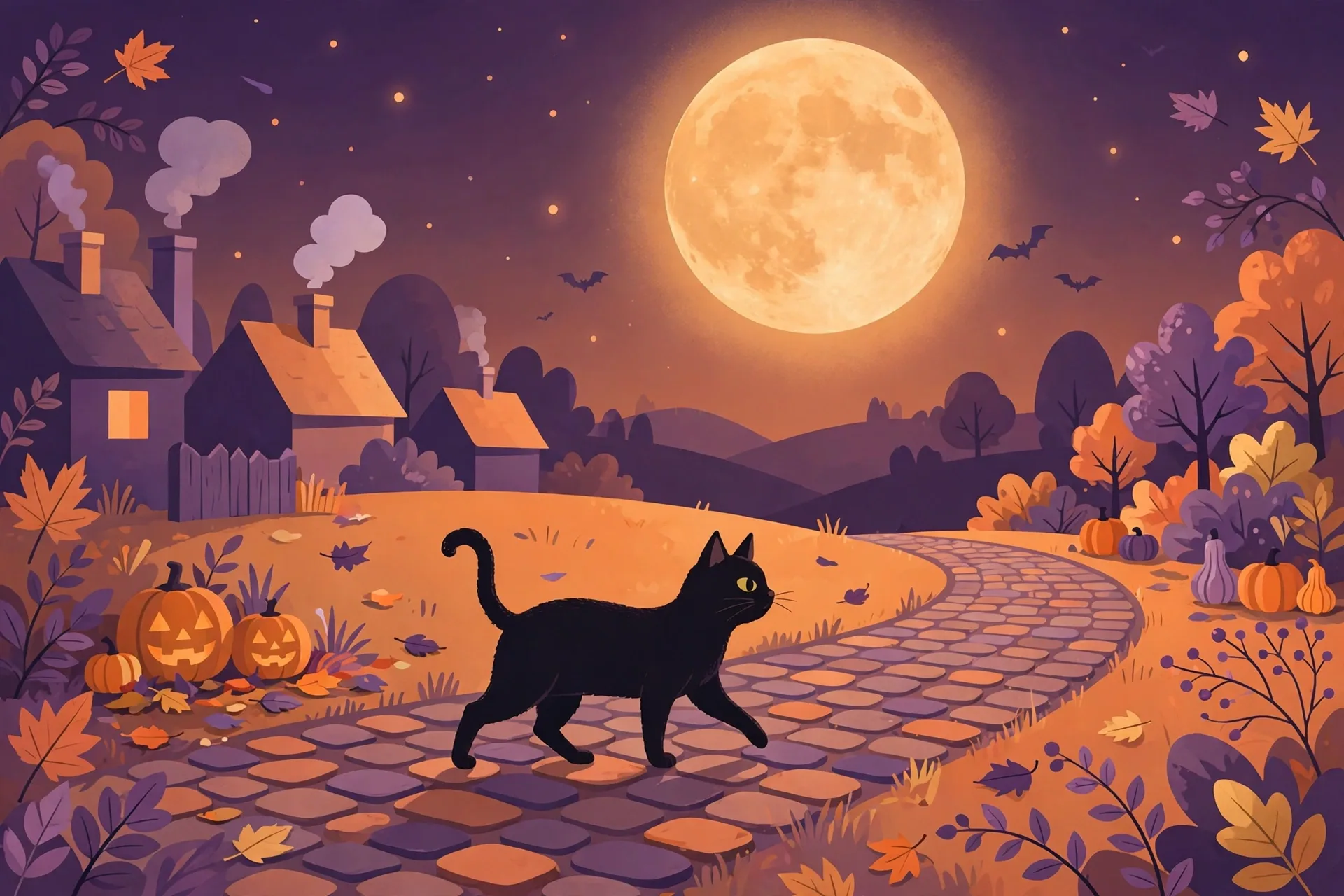
Answer: Bad luck (in most Western tradition).
The story behind it. In the Middle Ages, black cats got tangled up with witch trials — people believed witches kept cats as familiars, their supernatural assistants, so a black cat on the road looked like trouble walking toward you. The idea stuck so hard that black cats are still among the least adopted shelter cats in some places. The twist: in parts of England, the Netherlands, and some Asian cultures, a black cat crossing your path means good luck.
Host tip: Ask who owns a black cat before you read the answer. Someone at the table almost always does — and they will defend their cat’s honor.
2. What happens if you walk under a ladder?
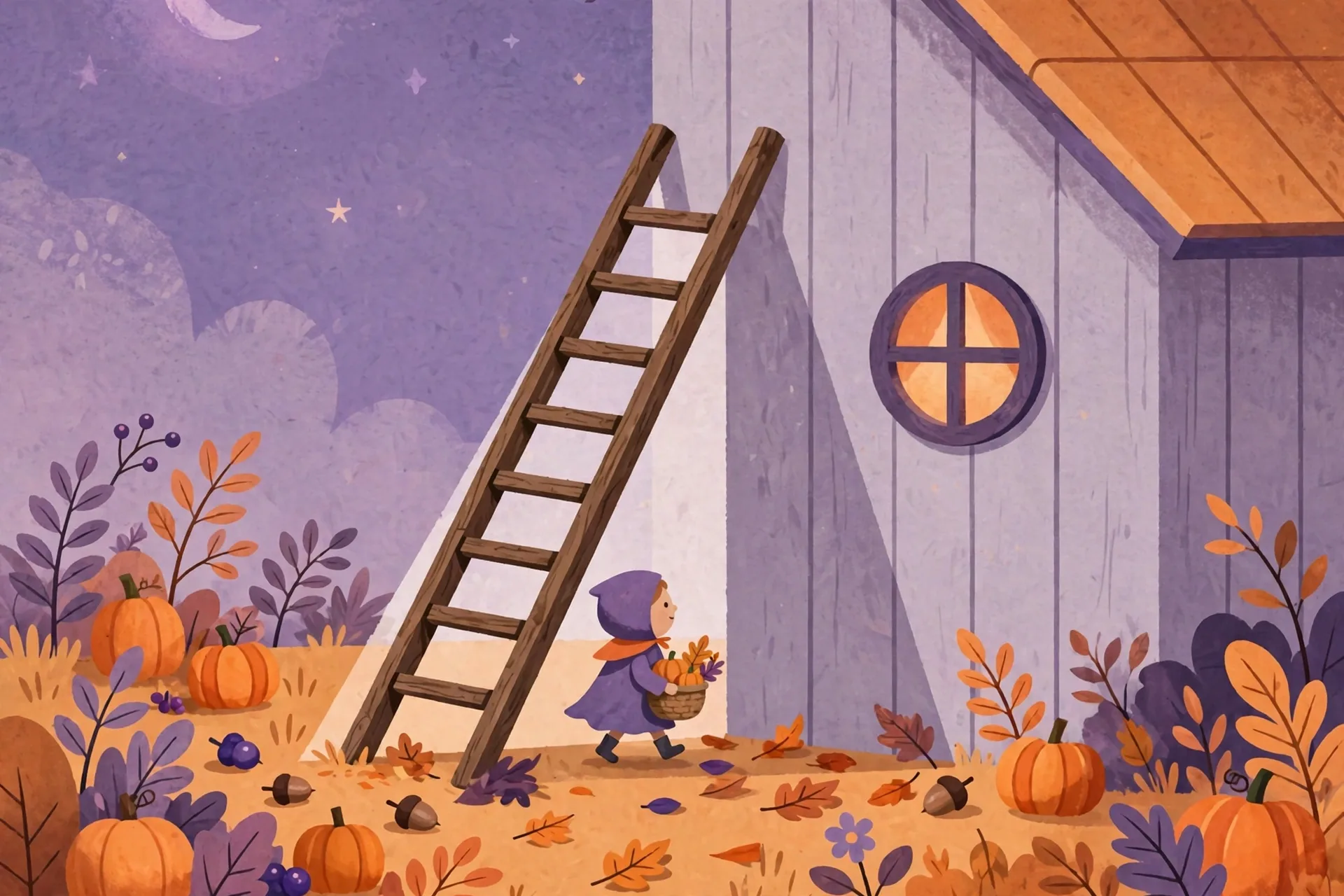
Answer: Bad luck.
The story behind it. A ladder leaning against a wall makes a triangle — and for centuries the triangle was treated as a sacred shape. Walking through a broken triangle was, in the old telling, a small act of disrespect, and disrespect gets punished. The practical version matters too: walking under a ladder in real life is genuinely dangerous, because things fall off ladders. This might be the rare superstition with a safety lecture hiding inside it.
Host tip: Perfect true-or-false for the littles. Everyone has been told not to do this; almost nobody remembers why.
3. You break a mirror. How many years of bad luck do you get?
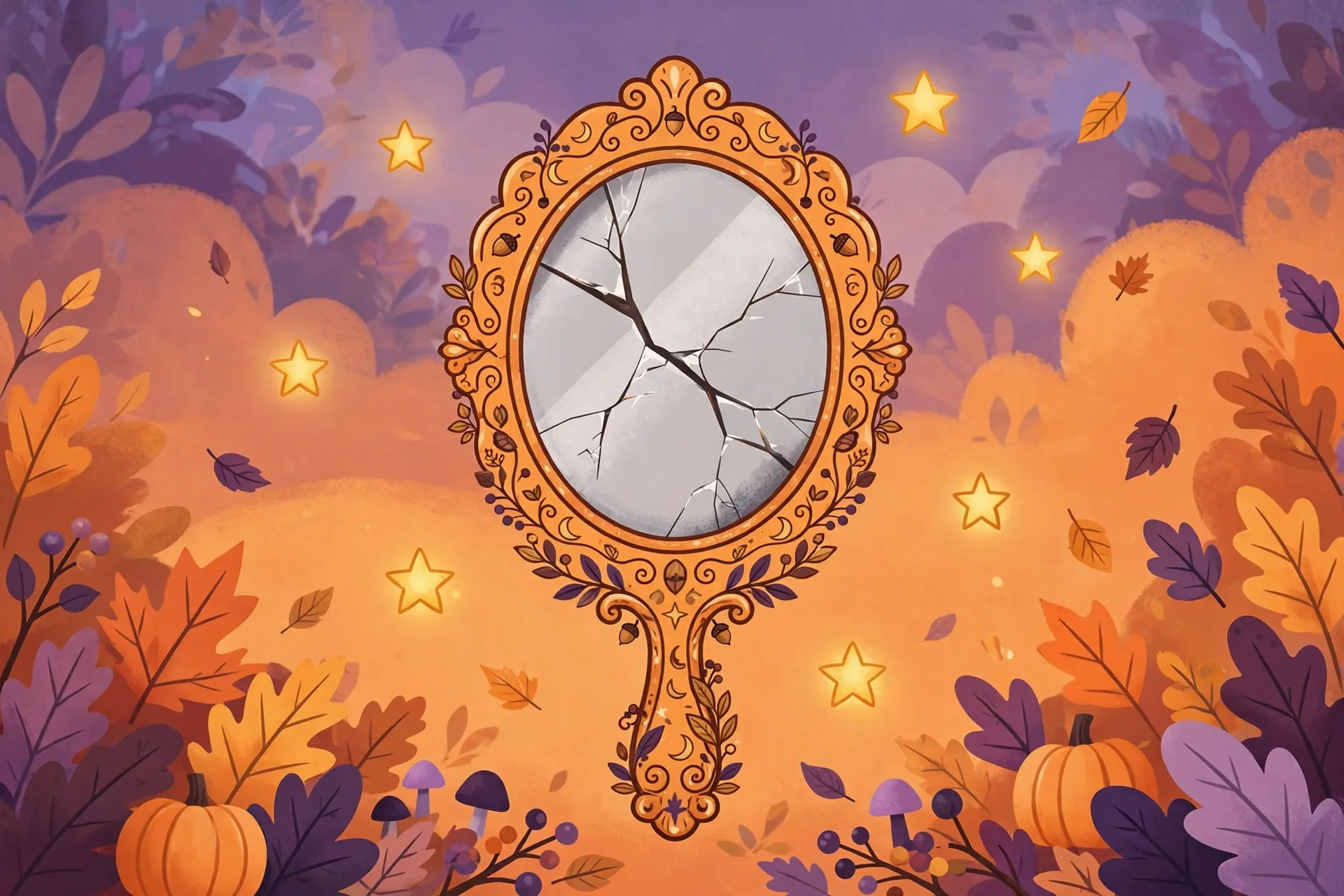
Answer: Seven years.
The story behind it. The ancient Romans believed mirrors held a piece of your soul — your reflection was part of you. Break the mirror and you wound the soul. The seven years comes from an old Roman belief that the body renewed itself every seven years. So you were stuck with the damage until your next renewal. Cheerful, the Romans.
Host tip: This is the one adults argue about. Some people swear they have never broken a mirror and plan to keep it that way. Ask the table: who has broken one? Hands always go up.
4. Why do so many buildings skip the 13th floor?
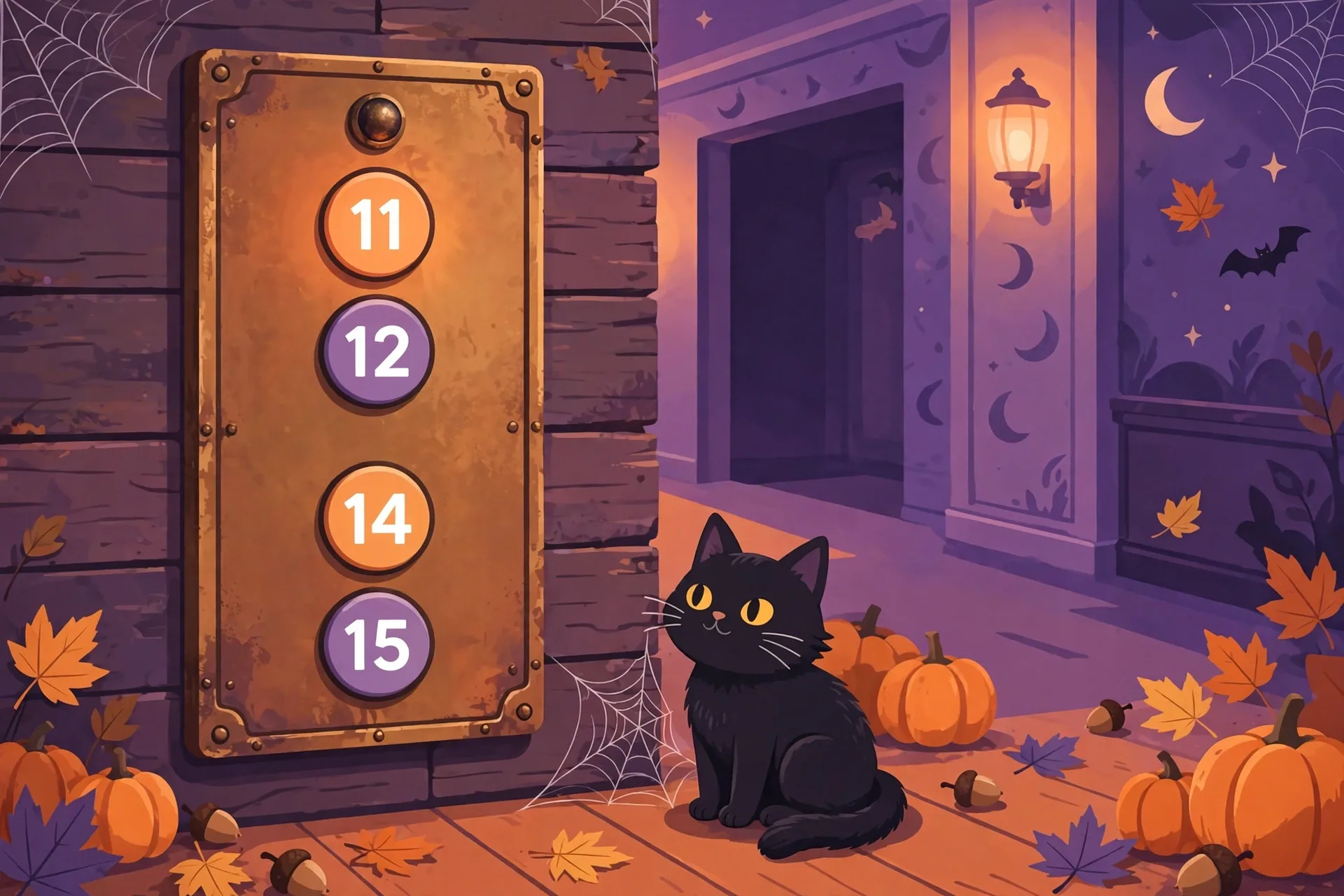
Answer: Because 13 is considered unlucky — the fear of it even has a name: triskaidekaphobia.
The story behind it. Nobody can pin down exactly where the dread of 13 started — people blame everything from the 13 guests at the Last Supper to an old Norse myth where a 13th uninvited guest ruined a feast. But the fear is real enough that hotels skip the 13th floor and some airlines skip row 13. It is one of the few superstitions that has literally shaped architecture.
Host tip: The building will have called it 14. The elevator never lies.
5. Why do people knock on wood after saying something hopeful?
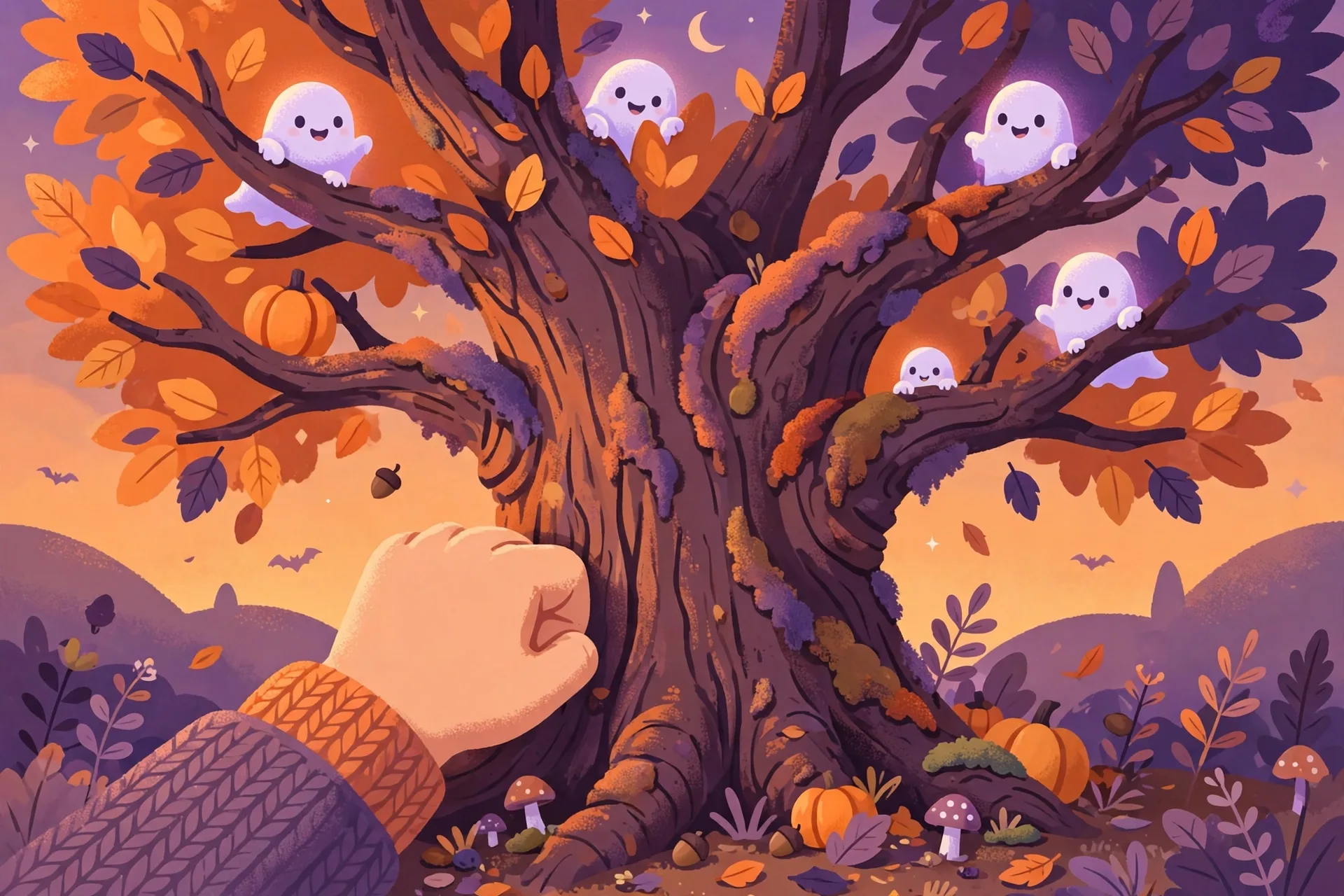
Answer: To keep bad luck away — or to keep the good luck coming.
The story behind it. Long before our era, people across Europe believed that spirits and gods lived inside trees. Knocking on wood was a way to wake them up and ask for their protection — like knocking on a door before asking for a favor. There is also a simpler version: touching wood kept your boastful words from being heard by bad luck itself. Either way, it is the one superstition everyone performs without thinking, mid-sentence, with a straight face.
Host tip: Point out the next time someone does it tonight. It will happen. It always happens.
6. What happens if you open an umbrella indoors?
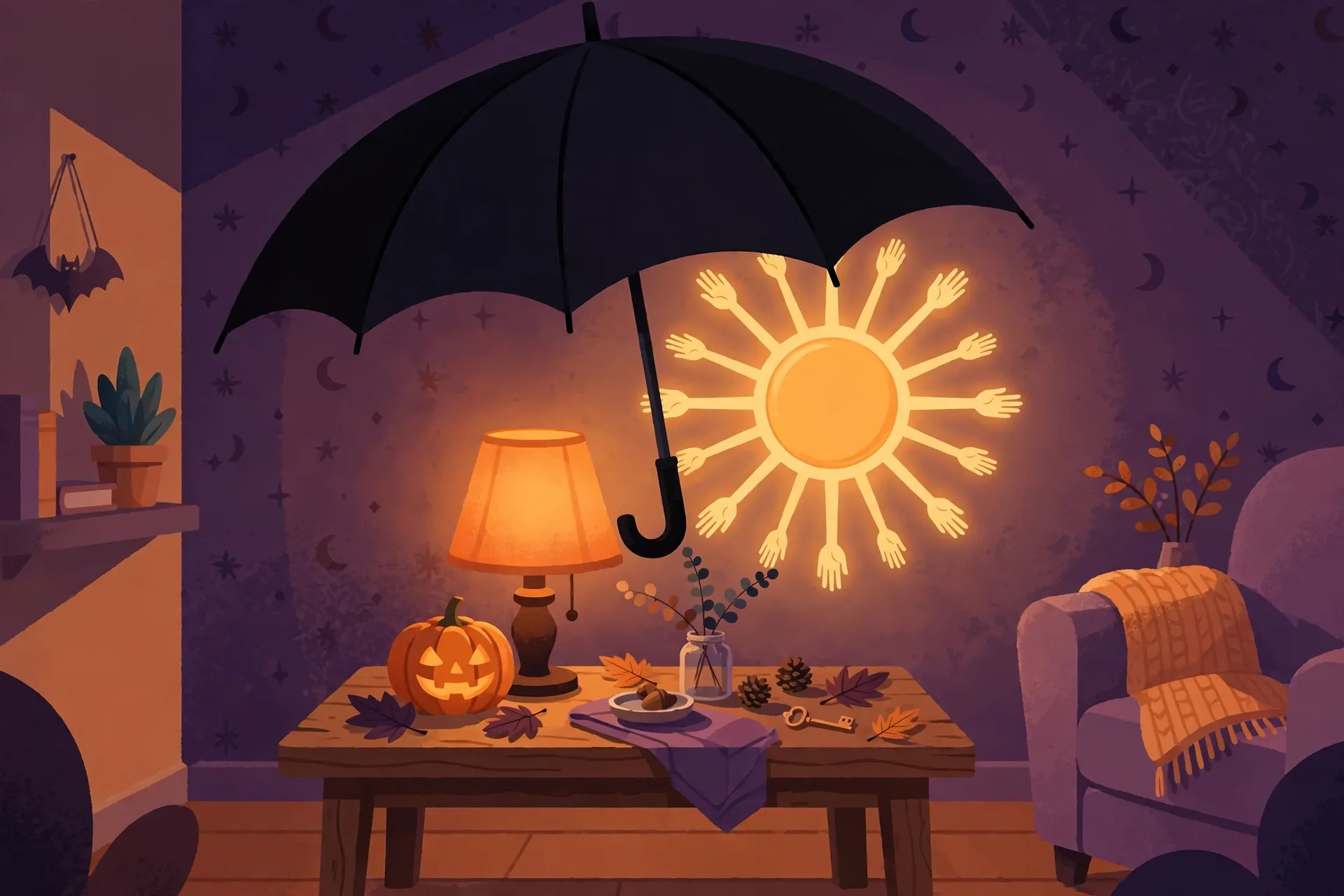
Answer: Bad luck.
The story behind it. This one goes back to ancient Egypt, where the umbrella was a sacred object that shaded royalty from the sun. Opening one indoors — away from the sun — was seen as an insult to the sun god himself. The modern excuse is practical: opening a spiky umbrella inside a small room is a good way to knock over a lamp. Another safety lecture wearing a costume.
Host tip: Ask the grandparents. This is the superstition the oldest person at the table enforces hardest.
7. You spill salt. What should you do?
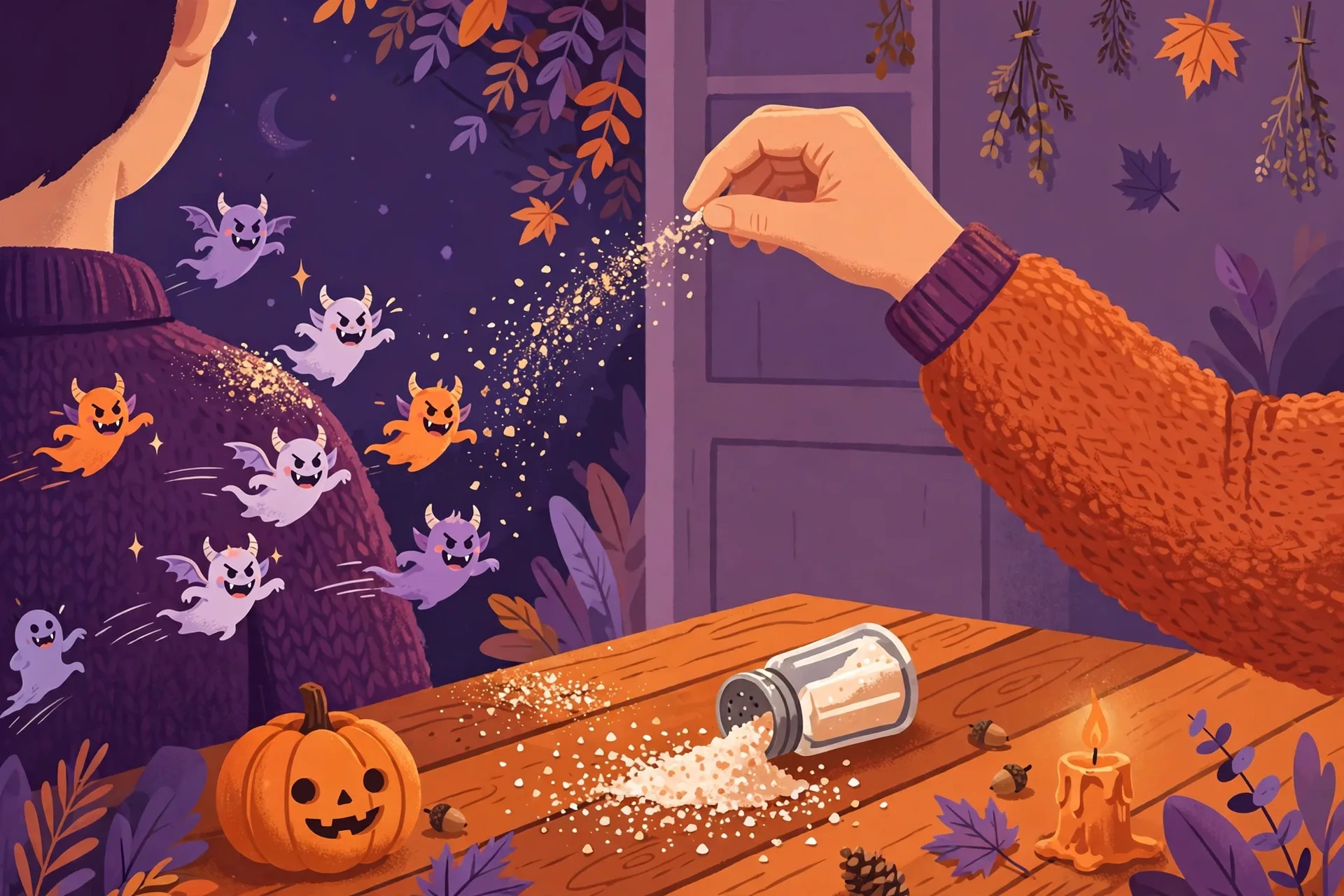
Answer: Throw a pinch of it over your left shoulder.
The story behind it. Salt was once precious — worth trading, worth fighting over — so spilling it was genuinely upsetting. The shoulder toss comes from an old belief that evil spirits lurked behind your left shoulder, and the flying salt would blind them before the bad luck could settle in. It is one of the oldest “undo the bad luck” rituals still in regular use, and yes, it is also why cartoon characters do it.
Host tip: This is a great demo question. Spill a little salt on the table (it’s a party; the table has seen worse), and have everyone do the toss.
8. Your right palm is itchy. What does it mean?
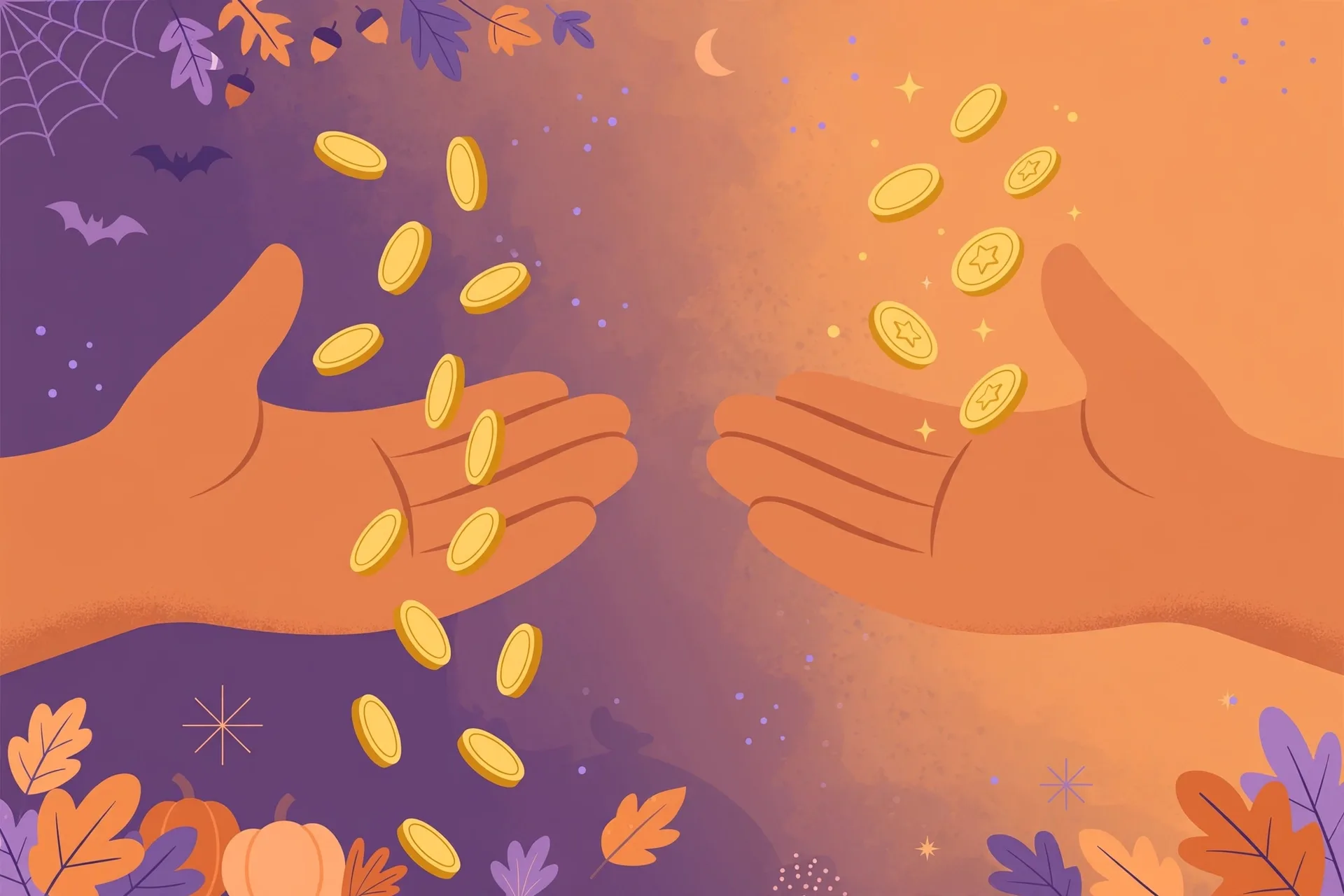
Answer: Money is coming your way.
The story behind it. The folk version goes: itchy right palm, money arrives; itchy left palm, money leaves. Nobody agrees on the origin — some trace it to old healing traditions where the hands carried energy, others to the simple fact that money physically passes through your palms. It is one of the gentlest superstitions on this list: no doom, no curses, just the hope that your hand knows something your wallet doesn’t.
Host tip: Let everyone check their palms. There is always one person scratching their right hand thoughtfully by the end of the story.
9. On Halloween night, you see a spider. What does it mean?
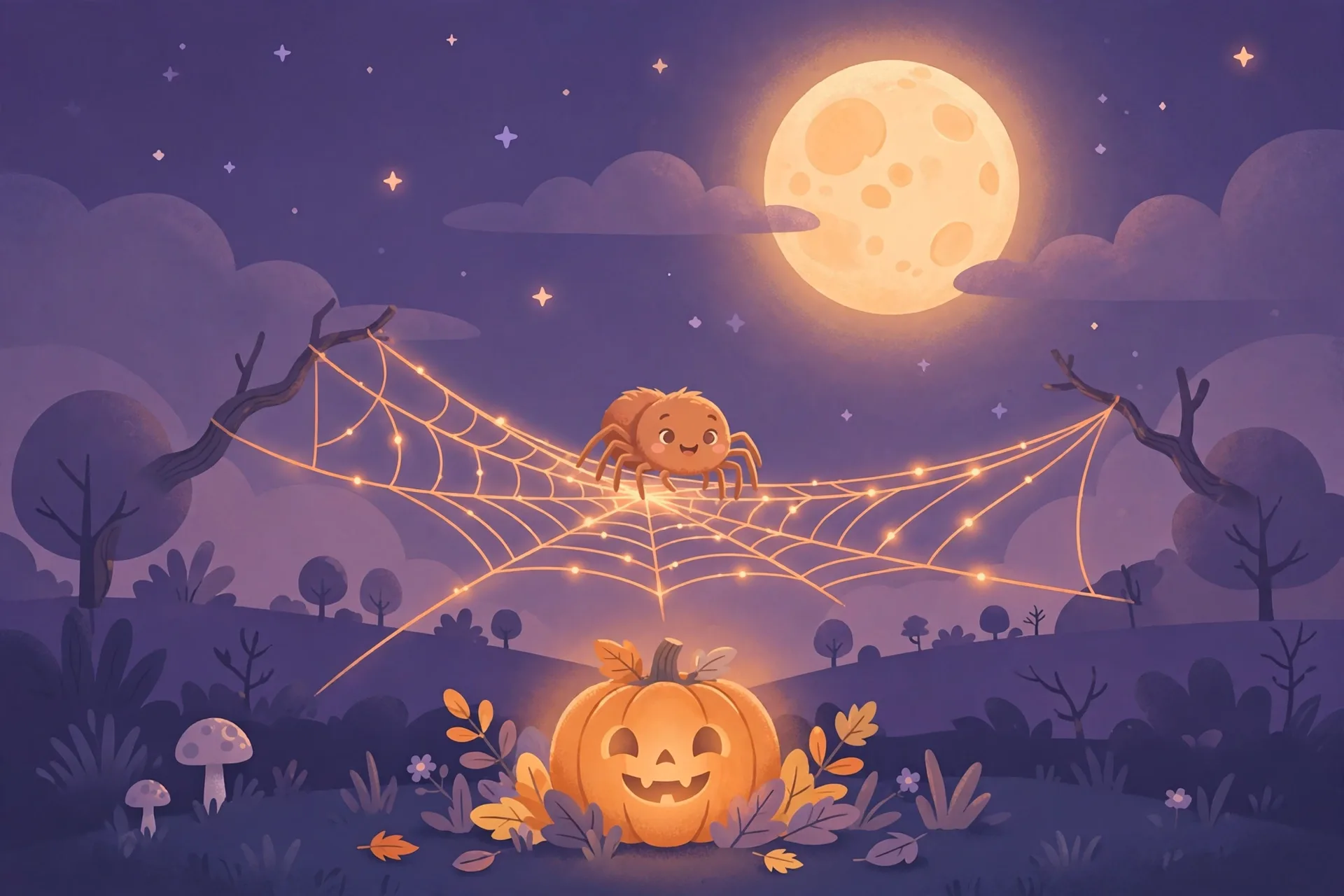
Answer: A deceased loved one is watching over you.
The story behind it. Halloween night was believed to be the one night when the veil between the living and the dead was thinnest — the old Celtic idea behind the whole holiday. Spiders, tangled up in fate and weaving and hidden threads, became the symbol: a spider crossing your path on Halloween was a spirit checking in. It takes the spookiest creature on the list and turns it into the sweetest answer of the night.
Host tip: Save this one for late in the game, when the room is quiet. Read it slowly. Someone will tear up a little, and that is a good thing.
10. On Halloween, you stare into a mirror at midnight. What do you see?
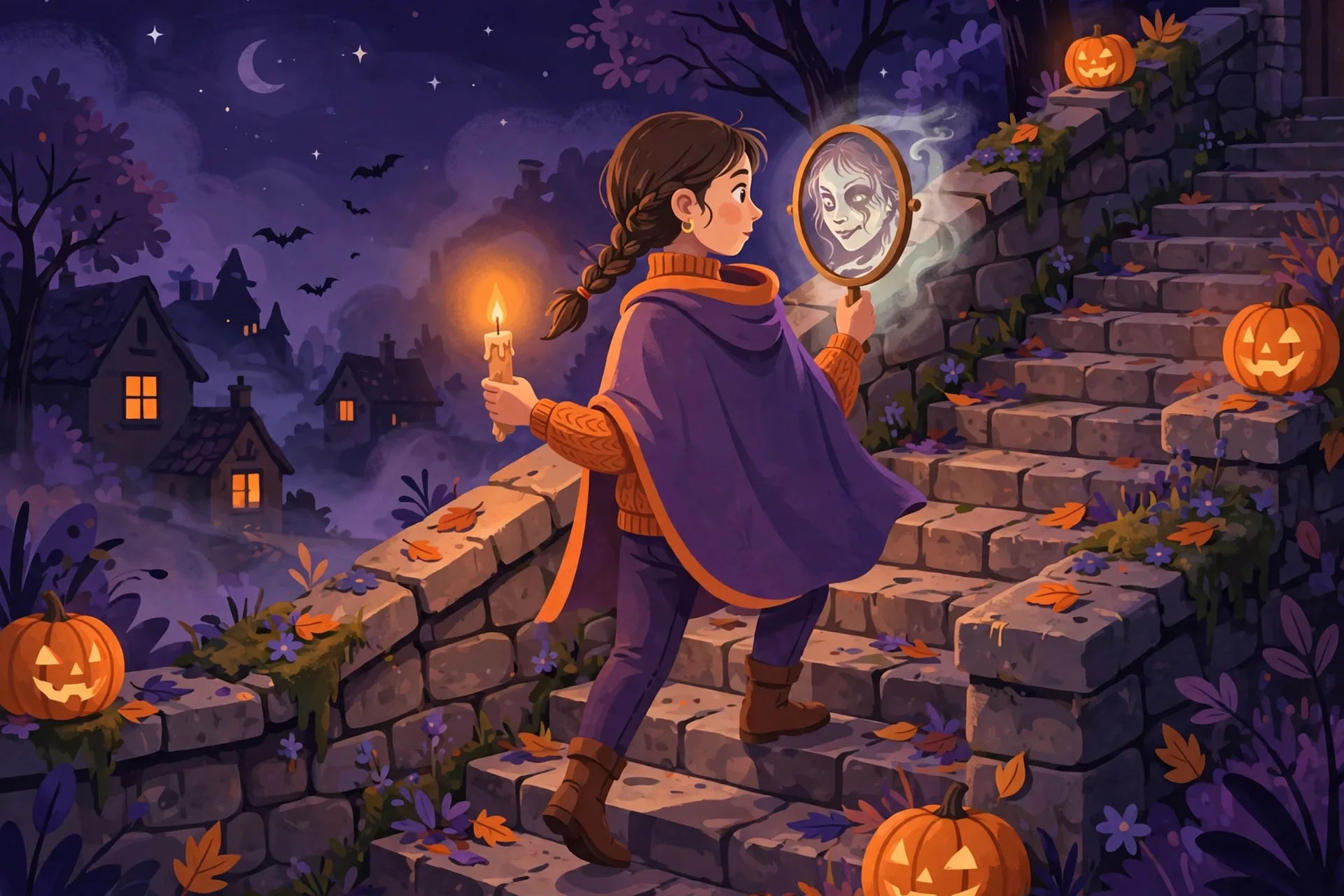
Answer: The face of your future spouse.
The story behind it. Old Halloween was a fortune-telling holiday as much as a spooky one — in Ireland and Scotland, young women played mirror games on Halloween night hoping to glimpse the person they would marry. The best-known version had the girl walk down the stairs backward, holding a candle and a mirror, hoping the face over her shoulder was her future husband’s. Apple-bobbing and fortune-telling cakes were all part of the same night. Halloween wasn’t always candy; it used to be a whole evening of asking the future questions.
Host tip: This is the question for the teens. They find the stairs-backward detail hilarious and slightly horrifying — exactly the right response.
11. On Halloween, you wear your clothes inside out and walk backward. What happens at midnight?
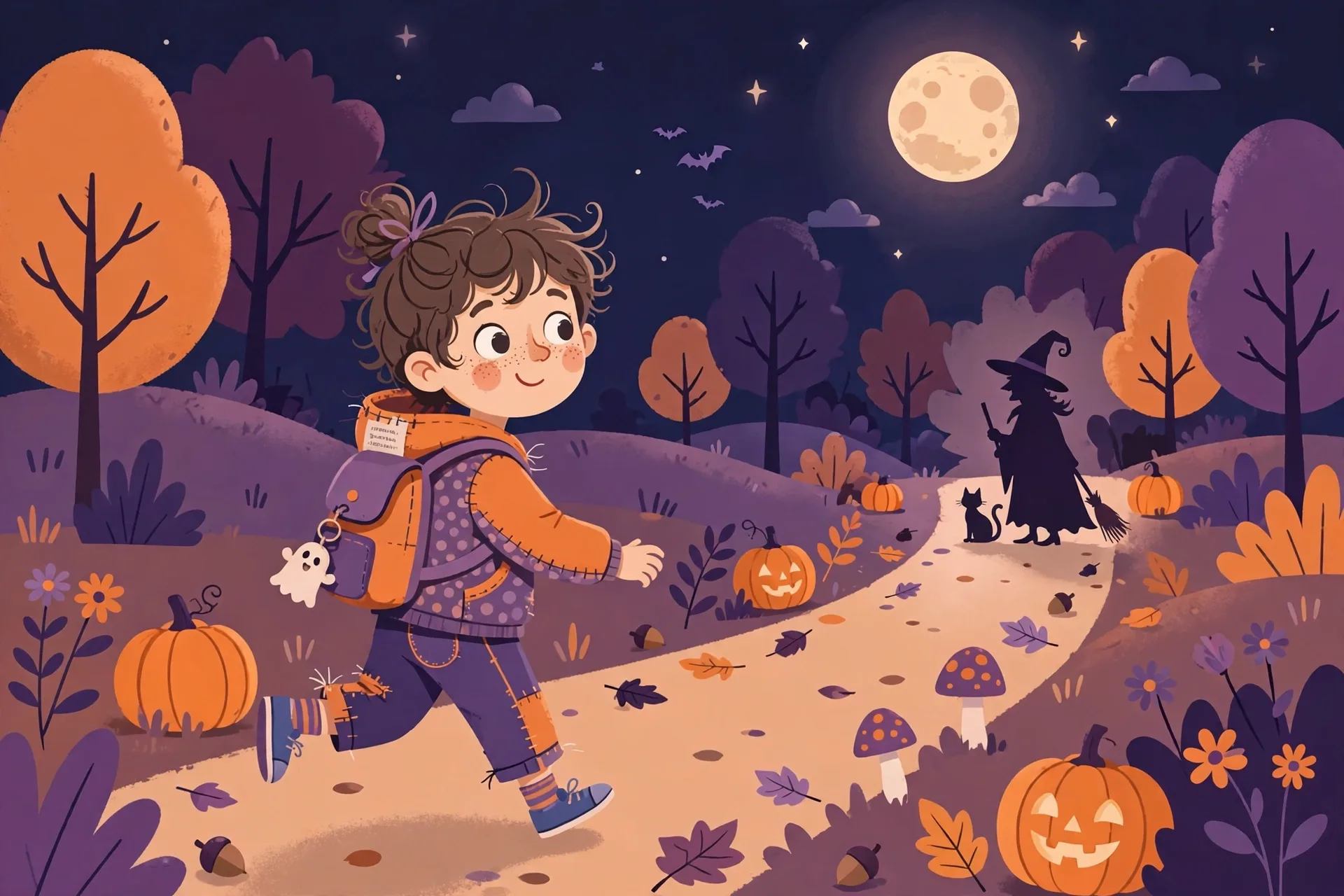
Answer: You will see a witch.
The story behind it. Backward walking and inside-out clothing were both thought to slip you between worlds — you stopped looking normal, so the normal rules stopped applying, and things that usually stay hidden could find you. Of all the questions on this list, this one is the most purely Halloween: it only works tonight, at midnight, and it requires you to look ridiculous. Kids love it because it is a dare disguised as a belief.
Host tip: Save this one for late in the game, when the room is buzzing. Everyone is laughing and someone is already trying it in the hallway.
12. You hang a horseshoe over your front door. Which way should it point, and why?
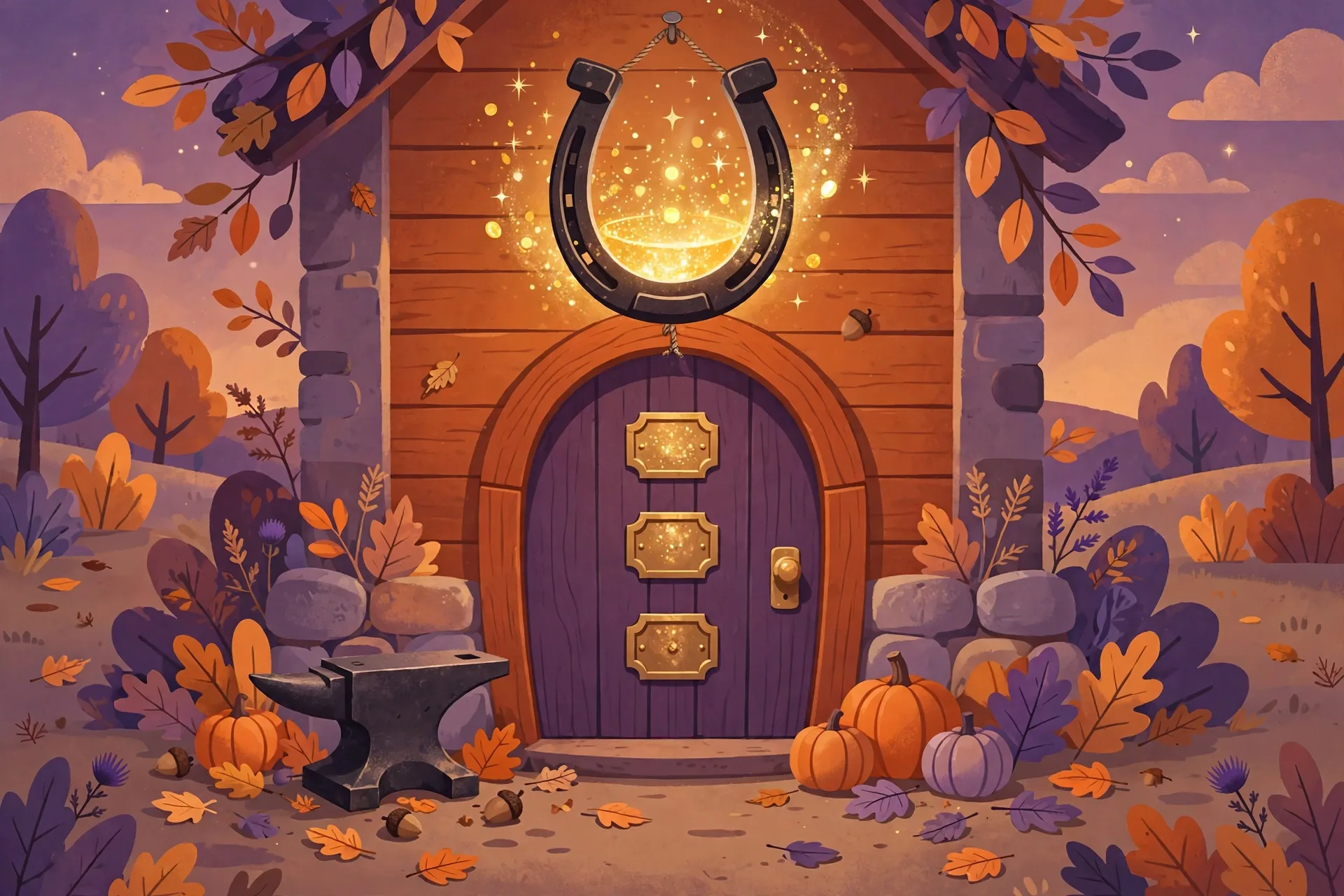
Answer: Points up, so the luck stays in.
The story behind it. Iron was believed to ward off evil, and a horseshoe was iron that had already done hard work. The famous telling is about St. Dunstan, a blacksmith who was asked to shoe the devil himself. He nailed the shoe on so painfully that the devil begged to be freed, and Dunstan agreed only if the devil promised never to enter a home with a horseshoe over the door. Hung points-up, the shoe holds the luck like a cup; hung points-down, the luck pours out.
Host tip: Ask the table which way theirs points. Half the room will go home and check.
13. Why is Friday the 13th supposed to be the unluckiest day of all?
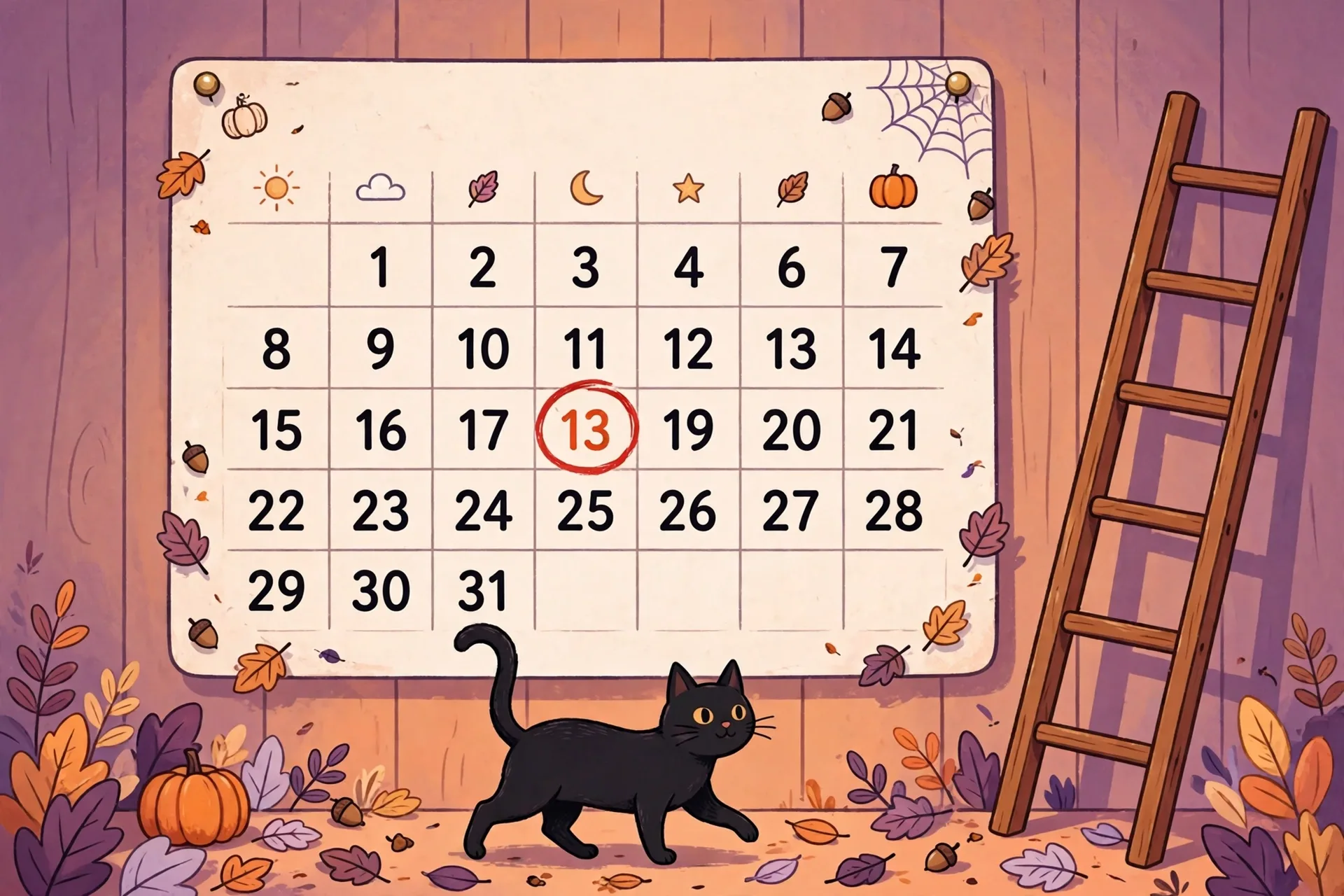
Answer: It pairs the unluckiest number with the unluckiest day.
The story behind it. Thirteen already had a bad reputation, the 13 guests at the Last Supper, the 13th guest at the Norse feast who ruined everything, and Friday already had one too, as the day of the Crucifixion in Christian tradition and, in old England, the traditional day for hangings. Put them together and you get a day so unlucky that hotels skip the 13th floor, airlines skip row 13, and some people genuinely refuse to travel or sign contracts on it.
Host tip: Check the calendar for the next Friday the 13th before the game. Someone will have a birthday on it.
14. You find a four-leaf clover in the grass. What is it supposed to bring you?
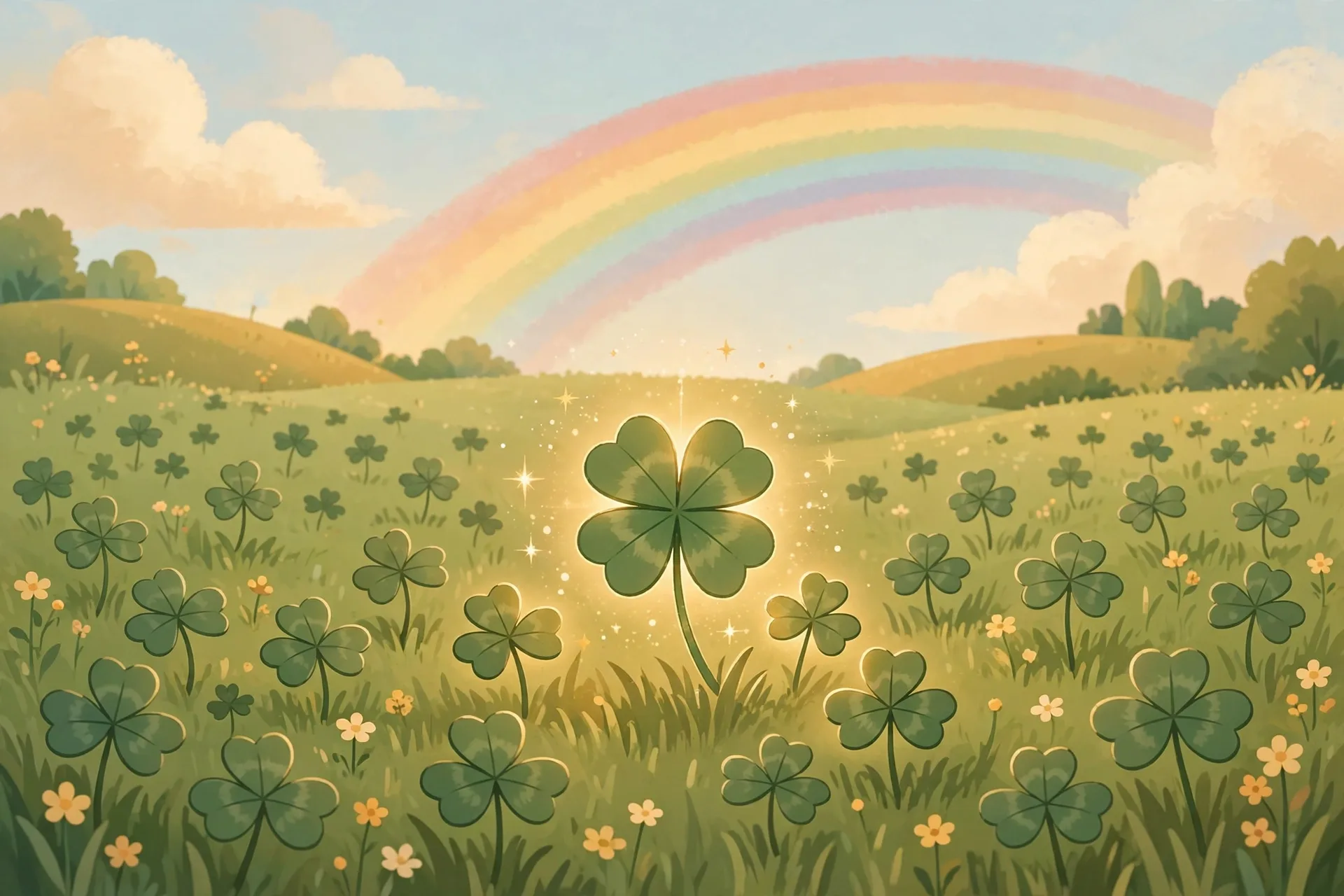
Answer: Good luck.
The story behind it. Each leaf is said to stand for something: faith, hope, love, and luck, so finding all four in one clover is like catching all four at once. The rarity is the point: most clover has three leaves, and the four-leaf kind turns up roughly once in a few thousand plants, which is why finding one feels like the universe tapping you on the shoulder. Old stories say Eve carried one out of the Garden of Eden, which is why the luck stuck to it.
Host tip: This is the gentlest question on the list. Save it for right after a spooky one, when the room needs a breather.
15. You step on a crack in the sidewalk. What breaks?
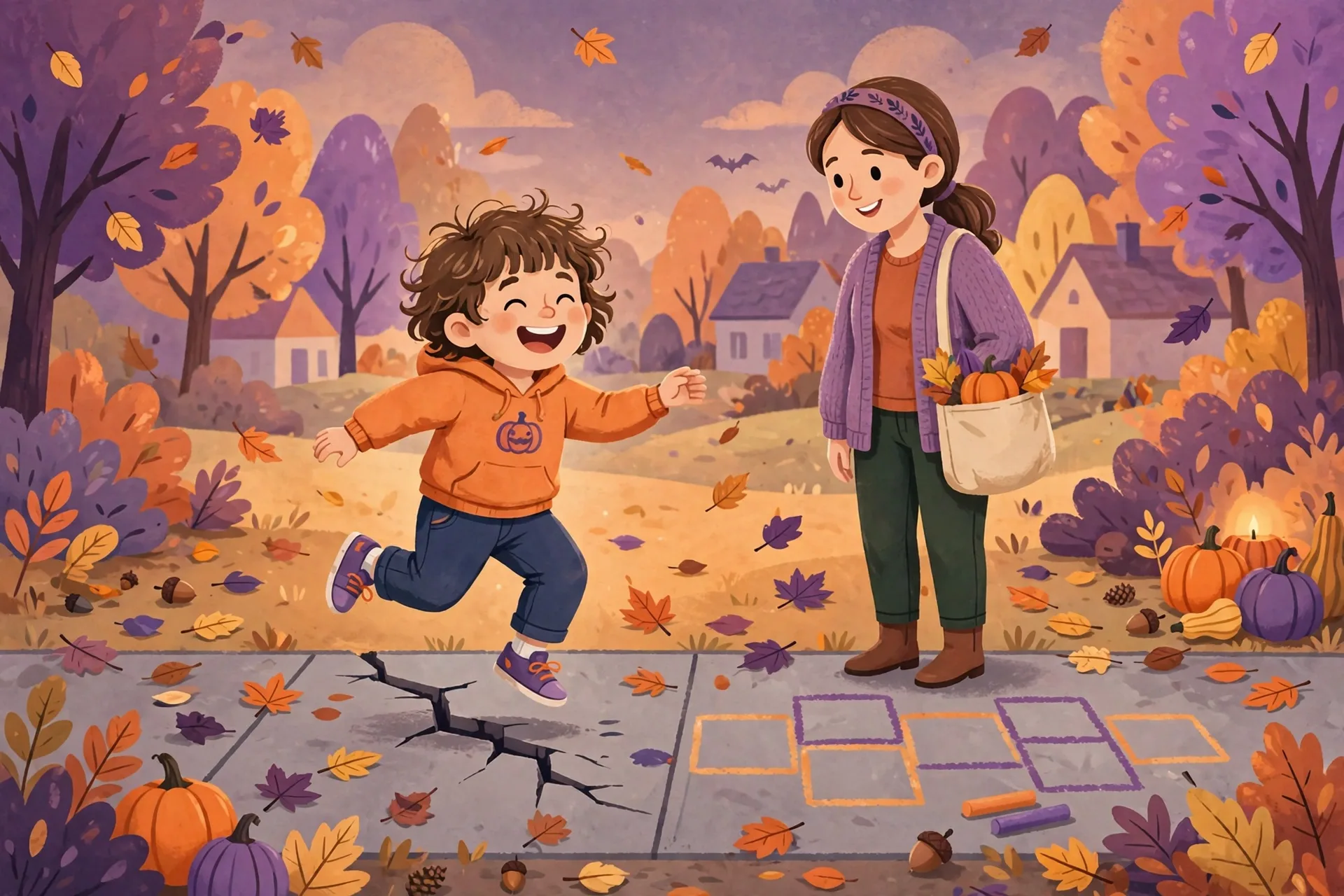
Answer: Your mother’s back.
The story behind it. The rhyme every kid knows, “step on a crack, break your mother’s back”, is one of the oldest playground superstitions, passed down kid to kid for generations with no grown-up in charge of it. Nobody knows where it started; it is probably just the rhyme that made children watch their feet on long walks. It is also the only superstition on this list that children invented and spread entirely by themselves, which is why the kids at the table always know it before the grown-ups finish reading the question.
Host tip: End with this one if the little kids are still at the table. They will shout the answer before you finish the question, and that is the best ending a game can get.
Four Ways to Play
Speed Round. Set the timer for one minute per player and read the questions rapid-fire. Wrong answers cost five seconds of frozen silence while the room groans. Highest score wins. For prizes, nothing beats glow-stick bracelets — hand them out as trophies and the winners wear them all night, which means the whole party slowly turns into a glowing audience.

Glow Sticks — 100 Pack
Speed-round prizes that double as party decor — the winners wear their trophies all night and the whole table starts glowing.
Team Play. Split into pairs or tables and let teams write their answers. The steal rule turns cutthroat here — nothing bonds a team like robbing the other table of half a point on the salt question. Set the mood: dim the overheads and scatter flameless LED tea lights around the question bowl. The flicker makes every reveal feel dramatic, with no flame anywhere near the paper slips.
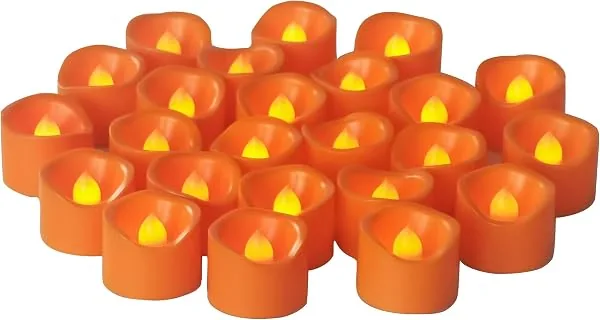
Flameless LED Tea Light Candles
The flicker around the team-play question bowl — warm and dramatic with zero flame near the paper slips. For the party table only.
The Kid-Friendly Version (ages 4–9). Skip the eerie backstories — no soulless mirrors, no witches at midnight. Run it as silly true-or-false with picture cards instead of written questions. My four-year-old’s answer to the black cat question was “the cat is just going to the store,” and honestly, he is not wrong. Keep the stories for the grown-ups’ round after bedtime. Laminate the keepers and the cards survive the whole month.
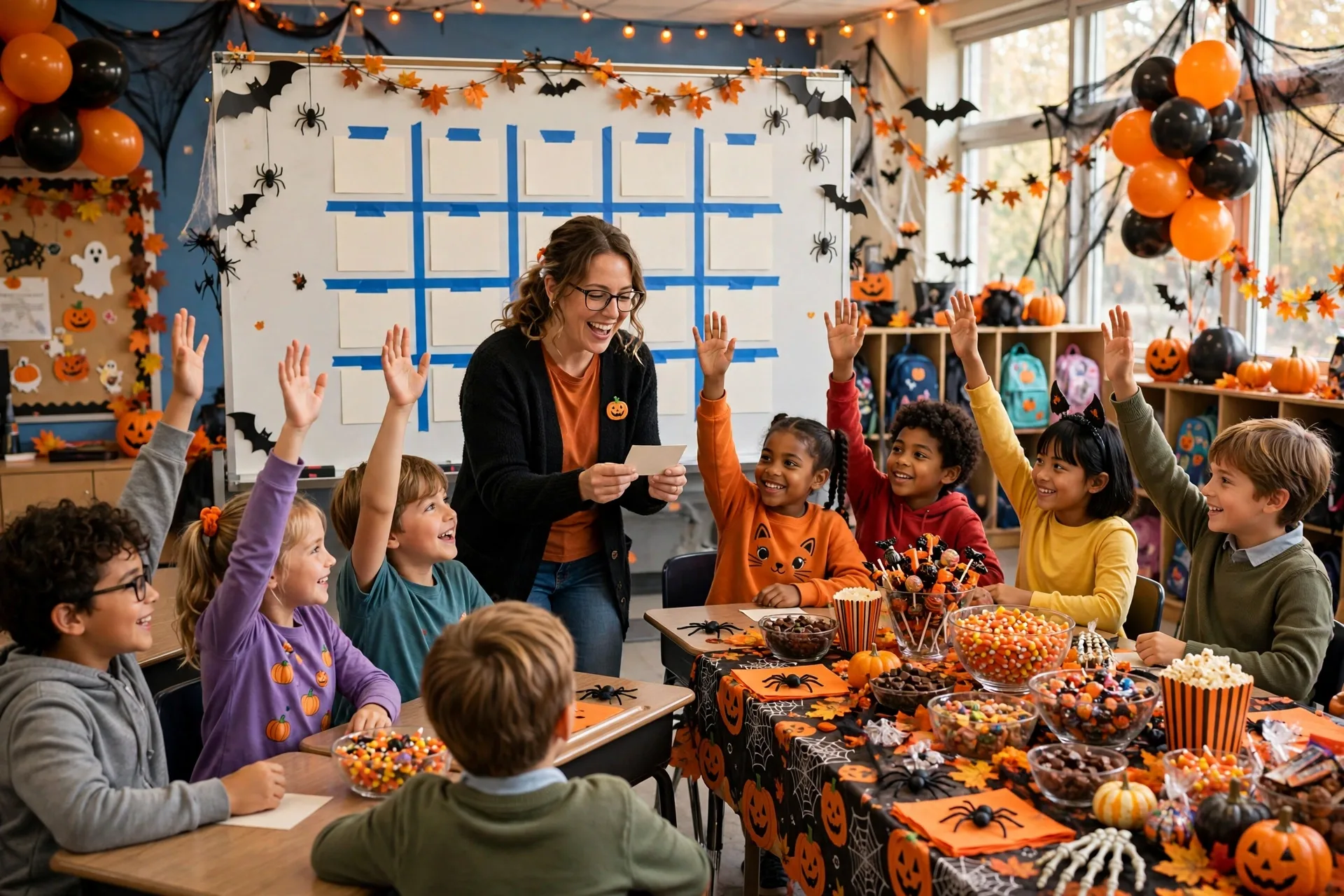
The Classroom Version. Write the fifteen questions on the whiteboard in a numbered grid, or tape the slips up face-down for teams to pick. Teams buzz in with answers, and the “story behind it” becomes a mini folklore lesson — roots like triskaideka (thirteen) and old Celtic Halloween customs are genuinely teachable. Works for grades 3 and up, homeschool co-ops, and scout troops. Tape the answer key face-down in the corner so the reader can check without turning around; the class will try to peek, and that is part of the fun.
Shop This Post
Everything mentioned in this guide, in one place:
| Product | Used For | Price |
|---|---|---|
| Crayola Construction Paper |
The 15 question slips — thick enough that answers don’t show through | Check Price |
| Flameless LED Tea Light Candles |
Team-play table mood — flicker with zero flame near paper slips | Check Price |
| Glow Sticks — 100 Pack |
Speed-round prizes — winners wear them all night | Check Price |
Frequently Asked Questions
How many players can play?
Two to twenty or more. Best with 4–10 in read-aloud style, where the steal rule stays lively. For bigger groups, use the classroom version — one bowl of slips and one reader serve a whole room.
How long does a round take?
Thirty to thirty-five minutes for all 15 questions with the stories read aloud. The speed round runs about five minutes per player. Add five minutes the first time while everyone learns the fold-and-draw rhythm.
What ages is this good for?
The full version fits ages 10 and up — the folklore stories are the game. For ages 4–9, use the kid-friendly version: true-or-false questions, picture cards, eerie backstories saved for after bedtime.
Do I need a printer?
No. Handwrite the question slips — ten minutes, and the homemade look is part of the charm. Or skip slips entirely and read the question bank straight from this page.
Are these real superstitions?
Nothing was invented for the game. The origins are the old tellings; beliefs are presented as beliefs, not facts.
Can I add my own questions?
Absolutely. Ask the oldest person at the table first — every family has at least one superstition that isn’t on this list, and those are always the best additions.
Read the Stories Out Loud Tonight
Fifteen slips of paper, one witch hat to draw them from, and a table full of people who are about to discover they all knock on wood. Start with the black cat — everybody has an opinion about the black cat — and let the stories do the heavy lifting. The questions are the excuse. The “why people believed this” is the game.
Then keep the slips. They fit in an envelope, they survive the junk drawer, and next October your kids will ask for “the scary questions game” by name. Happy haunting, mama.
More Halloween game guides on MamaKinder