Thanksgiving Would You Rather: 11 Dinner Table Questions

Last Thanksgiving there was a stretch, right around 3 p.m., when dinner was still an hour out and the whole house ran out of things to say. My four-year-old had finished her important questions (where do turkeys sleep, why is cranberry sauce wiggly) and the grown-ups had exhausted the weather. I said, “Okay. Would you rather have a turkey that does magic tricks at the table, or a pumpkin that tells knock-knock jokes all day?” The table split in half. My two-year-old banged her sippy cup like a judge’s gavel. And just like that, the dead hour was over.
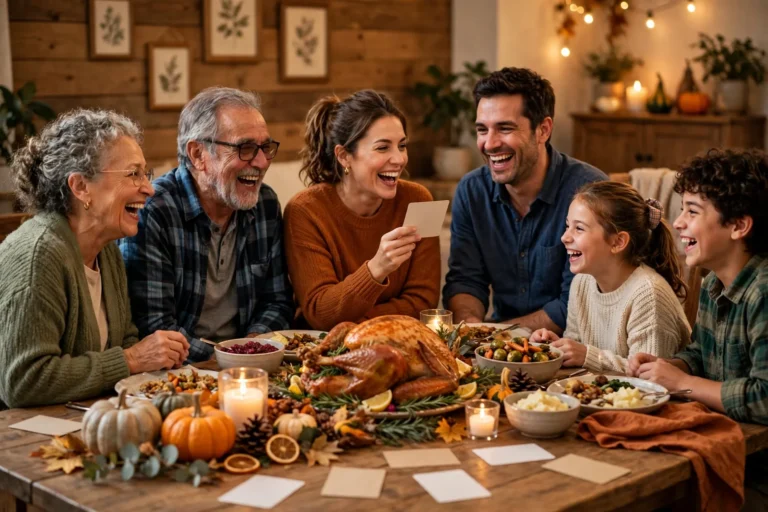
Would You Rather is the lowest-effort, highest-payoff game in the Thanksgiving playbook. Nobody needs to get up, nobody needs supplies, nobody can lose. Someone reads a question with two ridiculous options, everyone picks one, and the defending begins. Below are 11 original questions, grouped by the mood of the table, plus the hosting rules that make them actually work: how to run the voting, when in the day to play, how to include the littlest kids, and an optional lightning round for the competitive branch of the family.
Heads up: this post contains affiliate links. If you buy through them, MamaKinder may earn a small commission at no extra cost to you. It helps keep these guides free.
Why Would You Rather Runs the Table
Some games need explaining. This one explains itself in one sentence: “Pick one. Defend your pick.” Here is why it owns Thanksgiving specifically.
It fills the dead hour. Every Thanksgiving has one: the stretch between arrival and dinner, or the slump after the plates are cleared. These questions drop into either gap with zero setup and fill five minutes or fifty, because each answer spawns three follow-up questions.
There are no wrong answers. That matters more than it sounds. The new partner meeting everyone for the first time, the shy nine-year-old, Grandpa who “doesn’t do games”: nobody can lose at picking an option. The worst case is a funny argument about turkey-flavored ice cream.
The story is the point. The best moments are never the picks themselves. They are the reasons: your brother-in-law’s passionate defense of stuffing mittens, your mother revealing she would absolutely take the post-dinner nap over stargazing. You learn things about people you have known for decades.
It works from a high chair to a wheelchair. A two-year-old can answer by pointing. An eighty-year-old answers from the good chair. Very few Thanksgiving activities cover that whole range with the same question list.
How to Play: Three Ways That Actually Work
One question list, three ways to run it. Pick the one that fits your table.
Go-around (best for 4 to 8 people). One person reads a question, then everyone answers in turn, with thirty seconds of defending. Then the next person reads the next question. The reader job rotates so nobody is stuck emceeing all day.
Everyone answers (best for 9+ people). The host reads one question to the whole table. Everyone votes at once by raising a hand for option A or option B, and the loudest defenders get the floor for one minute. Fast, loud, and nobody sits out.
Teams (best for the competitive crowd). Split into two teams, kids vs. grown-ups is the classic. Each team gets thirty seconds to huddle and pick one answer, then one spokesperson defends it. Majority vote decides the winner of the round. Keep score if you like; nobody will remember the score by pie time, but the arguing is excellent.
Breaking ties. Dead heat? The host breaks it, or run a revote where everyone must defend in one sentence. The one-sentence defense rule is the single best invention in this game: it forces the funny part out of people.
When to play. Three slots work: the dead hour before dinner (questions 1 to 4, the silly ones), between courses while plates are being cleared (one question per course), and after dessert when the volume limit is officially off (questions 9 to 11, the family ones). You can also just run all eleven at once after pie. About three to five minutes per question with defending, so eleven run together take roughly half an hour.
One host, loosely defined. The reader’s real job is three things: read the question, keep the defending to about a minute per person, and move on when an argument has peaked. “Great defenses. Next question” is the whole skill set.
Silly Table Giggles (Start Here)

These four are the openers. Low stakes, high silliness, designed to get the shy people laughing before anything serious comes up.
1. Honking chair or quacking fork? Would you rather hear your chair honk like a turkey every time you sit down, or hear your fork quack like a duck every time you pick it up? The follow-up that ends the table: which sound gets old first? Little-kid version: “Would you rather honk when you sit, or quack when you eat?” Act out both sounds while you ask.
2. Gravy taster or pie guard? Would you rather be the official gravy taster who must approve every single gravy boat before it reaches the table, or the official pie guard who stands watch over dessert until it is served? This one reveals who trusts themselves around pie and who does not. Little-kid version: “Would you rather taste all the gravy, or guard all the pie?” Let them hold a wooden spoon as the official taster’s wand.
3. Stuffing mittens or cranberry-sauce hat? Would you rather wear mittens made of stuffing for the entire meal, or a hat made of cranberry sauce? Nobody picks this one quickly, which is the whole joy of it. The real debate is always whether the hat drips. Little-kid version: “Would you rather wear food mittens, or a food hat?” They will want to know what food, so let them pick their own from the table.
4. Magic turkey or joke pumpkin? Would you rather have a turkey at the table that does magic tricks, or a pumpkin that tells knock-knock jokes all day? This was the one that saved our 3 p.m. last year, and I still have opinions about it. Little-kid version: “Would you rather see a magic turkey, or hear pumpkin jokes?” Then do your worst knock-knock joke and let them rate it.
Friendly Food Fights (The Middle Rounds)
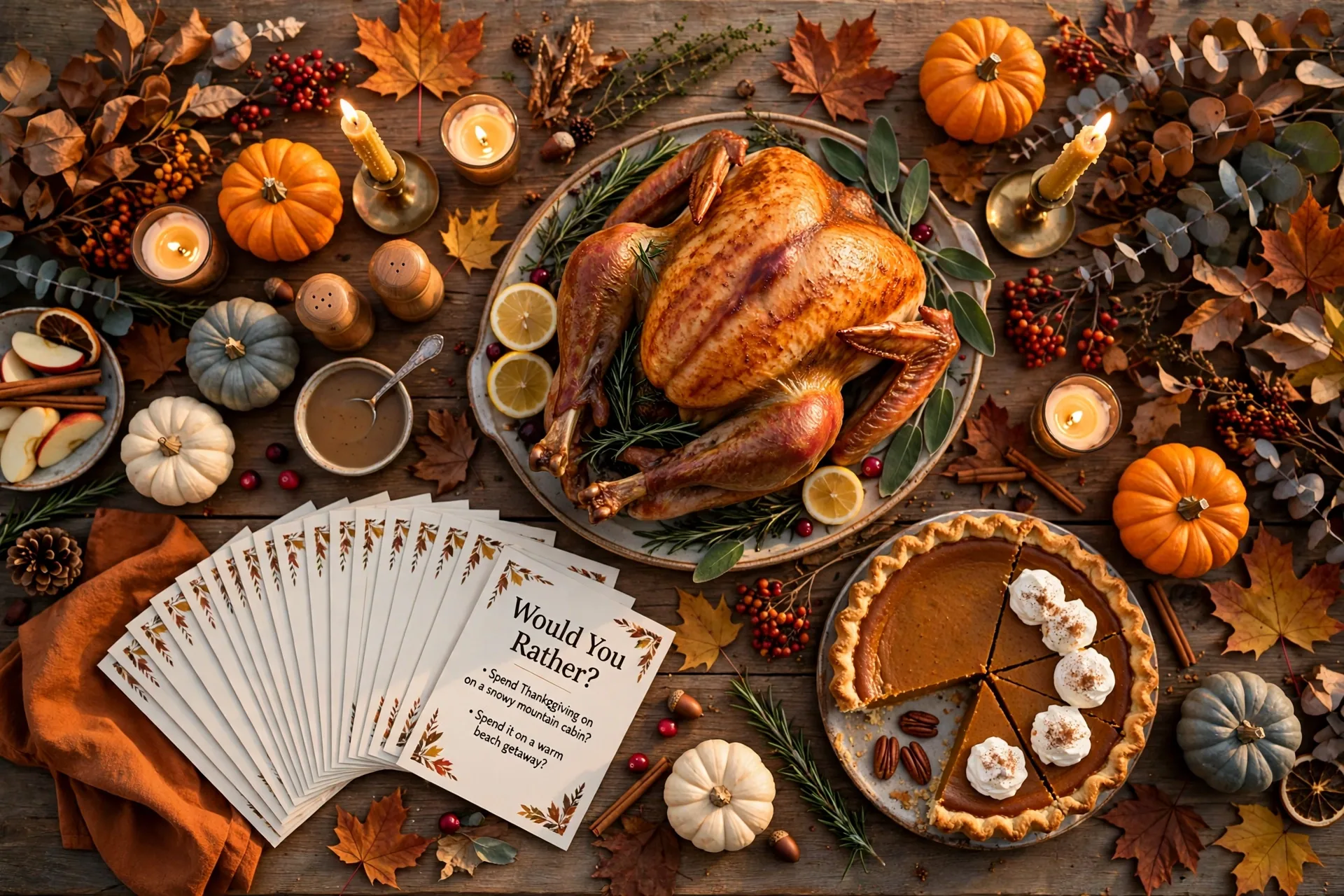
Four questions where the food on the actual table becomes the argument. These run best while everyone is eating, because people keep pointing at the evidence.
5. Turkey ice cream or pie potatoes? Would you rather have turkey-flavored ice cream for dessert, or pumpkin pie-flavored mashed potatoes as a side dish? Everyone’s face does something involuntary at this one, which is the tell that it is working. Little-kid version: “Would you rather eat turkey ice cream, or pie potatoes?” Let them vote with their actual spoon held high.
6. Mystery swap or bite tour? Would you rather swap your whole plate with the person across from you sight unseen, or trade one bite with every single person at the table? Big tables go feral for the bite tour option. Small tables love the swap. Little-kid version: skip the swap (too much loss for a four-year-old), and offer “trade one bite with the person next to you” instead.
7. Tied hands or tiny fork? Would you rather eat Thanksgiving dinner with your hands tied behind your back, or eat it with the world’s tiniest fork? The table will spend ten minutes on the logistics of the tiny fork alone. Little-kid version: “Would you rather eat with no hands, or with a baby fork?” Hand them a real baby fork to demonstrate and watch the room melt.
8. Legendary nap or starlit play? Would you rather take the best post-dinner nap of your life, or play outside until the stars come out? This is the generational divide question. Every table has a nap faction and a play faction, and neither will ever concede. Little-kid version: “Would you rather nap like a sleepy bear, or play until the stars?” Naps win with the under-fives almost every time.
Family Favorites (End the Night Here)

Save these three for the coffee-and-pie phase, when everyone is full and sentimental. These are the ones people remember next year.
9. Applause or slow clap? Would you rather get applause from the whole table every time you finish your plate, or a slow clap every time you say “I’m full”? Someone will inevitably test both in the same minute. Little-kid version: “Would you rather get claps for finishing, or claps for being full?” Then actually do the claps. They earned them.
10. Gift dessert or share it? Would you rather give your entire dessert to the person sitting next to you, or share half of it with everyone at the table? This one turns sweet in a way the silly ones never do. Watch who picks the neighbor; it is always someone’s favorite moment of the night. Little-kid version: “Would you rather give your dessert away, or share a bite with everyone?” No wrong answer, and no pressure either way.
11. New tradition or oldest story? Would you rather start a brand-new family tradition tonight, or hear the story of your family’s oldest Thanksgiving tradition? However the table votes, do both: take five minutes for the oldest story, then let someone propose the new tradition. Ours became the would-you-rather round itself. Little-kid version: “Would you rather make a new rule for our family, or hear an old story?” Then tell the shortest old story you know and let them invent the new rule.
Little-Kid Adaptations (Ages 2 to 6)
The questions above were written for ages four and up, and every one carries its own under-six rewording. A few more rules make the whole game work for the smallest players.
Keep it to three questions in a row for under-fives. Their attention is honest and short. Run their questions early in the set, then let them wander while the grown-ups argue about pie potatoes.
Under-threes answer by pointing. A two-year-old does not need to defend anything. Hold up one hand for option A and one for option B, or point at two things on the table, and let them point back. My two-year-old voted by banging her sippy cup near the option she liked, and it counted.
“Pass” is always allowed. For kids under seven, passing is a complete answer. No coaxing, no spotlight, no “come on, just pick one.” The game is only fun for them if skipping is free.
Let them be the reader for one question. A four-year-old who “reads” a question card (from memory, from a picture, from sheer confidence) gets the biggest laugh of the night and remembers it for weeks.
Add a Lightning Round (Optional)
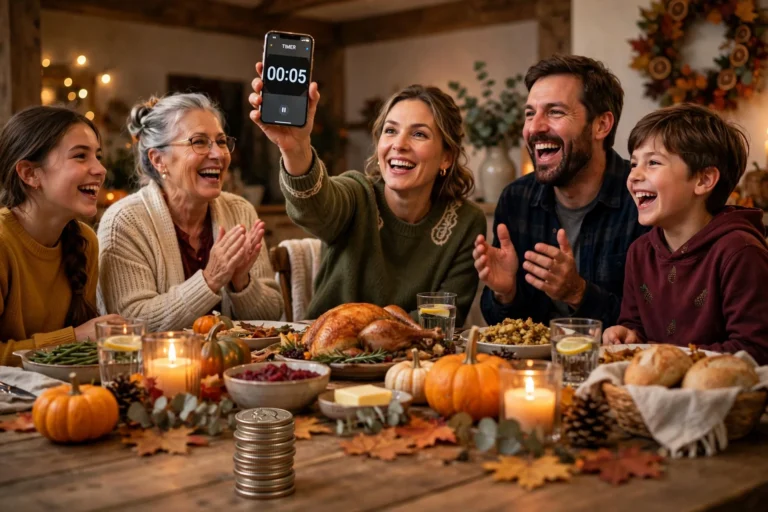
For the competitive branch of the family, add one rule: each person gets exactly one minute to pick their answer AND defend it, and the sand timer decides when they are done. The ticking turns casual answers into speeches and quiet cousins into debaters.
A 1-minute hourglass sand timer is the drama pick for this: flip it and the whole table watches the sand instead of a screen. It is a sand timer, so someone still calls time when the last grain drops, and it is glass, so the host holds it and the kids just watch. Run the lightning round on questions 5 through 8, the food ones, where the defending is already heated.
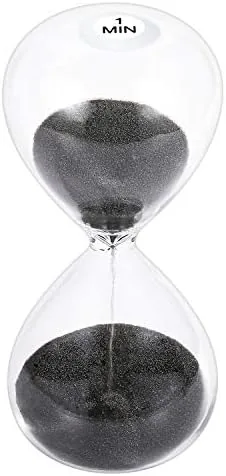
Sand Timer — 1 Minute Hourglass
The drama pick for the lightning round: flip it and the whole table watches the sand fall instead of a screen. It runs a full minute, exactly the length of one pick-and-defend. It is glass, so the host holds it.
Print the Cards or Play From Your Phone
Two honest ways to run the questions, and both work.
From the phone. Free, zero prep, and honestly how most tables will do it. Open this page, hand the phone to the reader, and go. Rotate the reader every few questions so one person is not stuck holding the phone all night.
Printed cards. Cut the 11 questions into cards, deal them around the table, and each person reads their own. Cards feel like an occasion, and they keep the phone out of dinner, which half the table will thank you for. If you print things like this more than once a year, Epson’s EcoTank ET-2800 is the printer I point people to for stacks like this: refillable ink tanks instead of cartridges keep the per-page cost tiny, and Epson rates one ink set at up to 4,500 black and 7,500 color pages. Plain paper is fine; card stock holds up better if little hands are dealing.
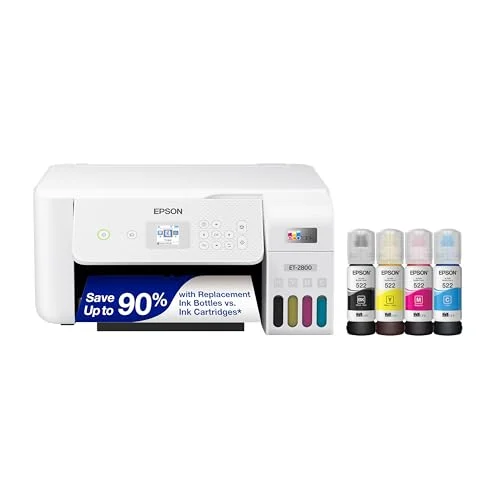
Epson EcoTank ET-2800 — Wireless Supertank Printer
The printer for printing stacks of question cards at home: refillable ink tanks instead of cartridges keep the per-page cost tiny, and Epson rates one ink set at up to 4,500 black and 7,500 color pages.
Keeping It Kind
The game is only as fun as the room feels, and the host sets that.
Match the question to the ages in the room. The little-kid versions above are not afterthoughts. A four-year-old who gets the simpler wording has just as much fun as the teenager building a legal case for stuffing mittens.
Laugh with the attempts, never at a frozen kid. If a little one locks up mid-answer, the host smiles and moves to the next player. No spotlight, no commentary.
No campaigning against a person. Argue for your option all you want; the line is teasing someone for their pick. The host’s “great defenses, next question” covers this.
The host runs the tie-breaks and the timer. One calm grown-up keeps the rounds moving, breaks the dead heats, and knows when the defending has peaked. In our house rules, “pass” is always allowed for kids under seven.
Shop This Post
| Product | Used For | Price |
|---|---|---|
| Sand Timer — 1 Minute Hourglass |
The optional lightning round timer | Check Price |
| Epson EcoTank ET-2800 — Wireless Supertank Printer |
Printing the 11 questions as cards at home | Check Price |
Frequently Asked Questions
What is Thanksgiving Would You Rather?
A conversation game: someone reads a question with two options, everyone picks one and defends it. There are no wrong answers and no supplies. The 11 questions above are grouped by table mood: four silly openers, four food rounds, and three family favorites to end the night.
How many people can play?
Three is the minimum for it to feel like a game. Up to about eight, the go-around format works best. Nine or more, switch to everyone-answers with a hand vote, or split into teams.
What ages is it good for?
The questions are written for ages four and up, and every one includes a little-kid rewording. Under-threes join by pointing at the options instead of answering, and passing is always allowed for kids under seven.
How long does it take?
About three to five minutes per question once the defending starts. All eleven back to back run roughly half an hour; most families spread them across the day, one or two between courses.
Do I need any supplies?
None. A phone to read from is enough. Printed question cards are a nice upgrade if you want phones off the table, and a sand timer adds drama to the optional lightning round.
Should we play as teams or individuals?
Individuals for tables under nine; teams for bigger crowds or when the kids want to gang up on the grown-ups. Kids vs. grown-ups is the classic split, and the grown-ups lose more often than they expect.
Eleven Questions, Zero Shopping
That is the whole playbook: open the list on your phone or deal the cards, run the silly four in the dead hour, the food four over dinner, and the family three after pie. Eleven questions, no supplies, no setup, and a table that actually talks to each other.
Our night ended last year with my father-in-law demanding a revote on the nap question and the kids inventing question twelve before dessert was cleared. Yours will find its own twelfth question. Happy Thanksgiving, mama.
More Thanksgiving guides on MamaKinder